Anaxiōs

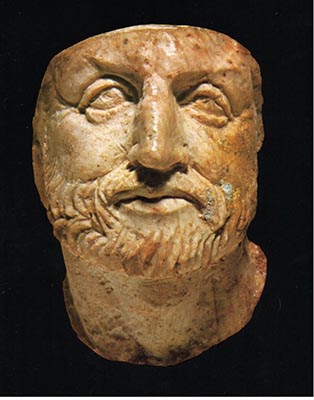
Philip_II_of_Macedon
Philip II of Macedon

This is part 3 of 3. Part 1 is here. Part 2 is here.

Ἀρχή τε οὐδεμία προῆλθέ πω μέχρι νῦν εἰς τοσοῦτο μεγέθους καὶ χρόνου. οὔτε γὰρ τὰ Ἑλλήνων, εἴ τις ὁμοῦ τὰ Ἀθηναίων καὶ Λακεδαιμονίων καὶ Θηβαίων, δυναστευσάντων παρὰ μέρος, ἀπὸ τῆς Δαρείου στρατείας, ὅθεν αὐτοῖς ἐστιν ἐλλαμπρύνεσθαι μάλιστα, ἐς τὴν Φιλίππου τοῦ Ἀμύντου τῆς Ἑλλάδος ἡγεμονίαν συναγάγοι, πολλὰ ἂν ἔτη φανείη. οἵ τε ἀγῶνες αὐτοῖς ἐγένοντο οὐκ ἐπὶ ἀρχῆς περικτήσει μᾶλλον ἢ φιλοτιμίᾳ πρὸς ἀλλήλους, καὶ οἱ λαμπρότατοι περὶ τῆς αὐτῶν ἐλευθερίας πρὸς ἀρχὰς ἄλλας ἐπιούσας. οἳ δέ τινες αὐτῶν ἐς Σικελίαν πλεύσαντες ἐπὶ ἀρχῆς ἑτέρας ἐλπίδι προσέπταισαν, ἤ, εἴ τις ἐς τὴν Ἀσίαν διῆλθεν, μικρὰ καὶ ὅδε δράσας εὐθὺς ἐπανῄει. ὅλως τε ἡ Ἑλληνικὴ δύναμις, καίπερ ἐκθύμως ὑπὲρ ἡγεμονίας ἀγωνισαμένων, οὐ προῆλθεν ὑπὲρ τὴν Ἑλλάδα βεβαίως, ἀλλὰ δεινοὶ μὲν ἐγένοντο ἀδούλωτον αὐτὴν καὶ ἀήττητον κατασχεῖν ἐπὶ πλεῖστον, ἀπὸ δὲ Φιλίππου τοῦ Ἀμύντου καὶ Ἀλεξάνδρου τοῦ Φιλίππου καὶ πάνυ μοι δοκοῦσι πρᾶξαι κακῶς καὶ ἀναξίως αὑτῶν.
(Appian, Rhōmaïka prooem. 8)

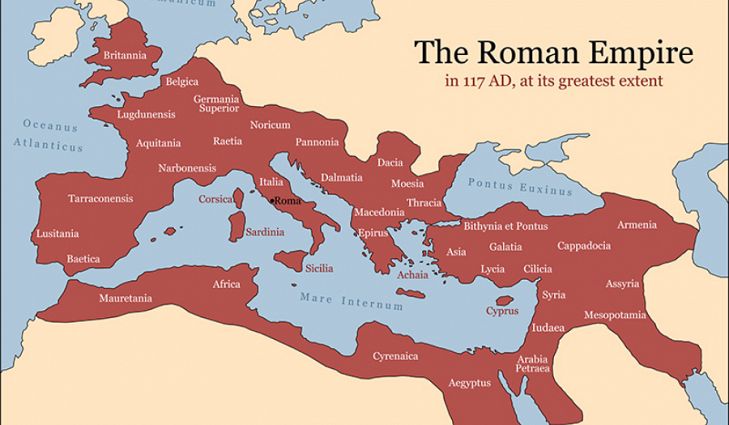
No government down to the present time ever attained to such size and duration. That of the Greeks, even if we count the mastery of Athens, Sparta, and Thebes successively from the invasion of Darius, which was the beginning of their glory, to the hegemony of Greece held by Philip, the son of Amyntas, lasted comparatively but few years. Their wars were not for conquest abroad but rather for preeminence among themselves, and they were most distinguished for the defense of their freedom against foreign invaders. Those of them who invaded Sicily with the hope of extending their dominion made a failure, and whenever they marched into Asia they accomplished small results and speedily returned. In short the Greek power, although ardent in fighting for the Grecian hegemony, never advanced steadfastly beyond the boundaries of Greece, but took pride in holding itself unenslaved and seldom conquered, and from the time of Philip the son of Amyntas, and of Alexander the son of Philip, they seem to me to have done very badly and to have been unworthy of themselves. (tr. Horace White)
Eudaimonian

roman empire

This is part 2 of 3. Part 1 is here. Part 3 is here.

Καὶ ἔστι καὶ τοῖσδε τοῖς αὐτοκράτορσιν ἐς τὸν παρόντα χρόνον ἐγγυτάτω διακοσίων ἐτῶν ἄλλων, ἐν οἷς ἥ τε πόλις μάλιστα κατεκοσμήθη καὶ ἡ πρόσοδος ἐπὶ πλεῖστον ηὐξήθη καὶ πάντα ἐν εἰρήνῃ μακρᾷ καὶ εὐσταθεῖ προῆλθεν εἰς εὐδαιμονίαν ἀσφαλῆ. καί τινα καὶ τοῖς προτέροις ἔθνεσιν οἵδε οἱ αὐτοκράτορες ἐς τὴν ἡγεμονίαν προσέλαβον καὶ ἀφιστάμενα ἄλλα ἐκρατύναντο. ὅλως τε δι’ εὐβουλίαν τὰ κράτιστα γῆς καὶ θαλάσσης ἔχοντες σώζειν ἐθέλουσι μᾶλλον ἢ τὴν ἀρχὴν ἐς ἄπειρον ἐκφέρειν ἐπὶ βάρβαρα ἔθνη πενιχρὰ καὶ ἀκερδῆ, ὧν ἐγώ τινας εἶδον ἐν Ῥώμῃ πρεσβευομένους τε καὶ διδόντας ἑαυτοὺς ὑπηκόους εἶναι καὶ οὐ δεξάμενον βασιλέα ἄνδρας οὐδὲν αὐτῷ χρησίμους ἐσομένους. ἔθνεσί τε ἄλλοις, ἀπείροις τὸ πλῆθος, αὐτοὶ διδόασι τοὺς βασιλέας, οὐδὲν αὐτῶν ἐς τὴν ἀρχὴν δεόμενοι· καὶ τῶν ὑπηκόων ἐνίοις προσαναλίσκουσιν, αἰδούμενοι καίπερ ἐπιζημίους ὄντας ἀποθέσθαι. τήν τε ἀρχὴν ἐν κύκλῳ περικάθηνται μεγάλοις στρατοπέδοις καὶ φυλάσσουσι τὴν τοσήνδε γῆν καὶ θάλασσαν ὥσπερ χωρίον.
(Appian, Rhōmaïka prooem. 7)

From the advent of the emperors to the present time is nearly two hundred years more, in the course of which the city has been greatly embellished, its revenue much increased, and in the long reign of peace and security everything has moved toward a lasting prosperity. Some nations have been added to the empire by these emperors, and the revolts of others have been suppressed. Possessing the best part of the earth and sea they have, on the whole, aimed to preserve their empire by the exercise of prudence, rather than to extend their sway indefinitely over poverty-stricken and profitless tribes of barbarians, some of whom I have seen at Rome offering themselves, by their ambassadors, as its subjects, but the chief of the state would not accept them because they would be of no use to it. They give kings to a great many other nations whom they do not wish to have under their own government. On some of these subject nations they spend more than they receive from them, deeming it dishonorable to give them up even though they are costly. They surround the empire with great armies and they garrison the whole stretch of land and sea like a single stronghold. (tr. Horace White)

Epimochthōs

caesar

This is part 1 of 3. Part 2 is here. Part 3 is here.

Τούτων τοσούτων καὶ τηλικούτων ἐθνῶν ὄντων τὸ μέγεθος, Ἰταλίαν μὲν αὐτὴν ἐπιμόχθως τε καὶ μόλις ἐν πεντακοσίοις ἔτεσι κατειργάσαντο βεβαίως. καὶ τούτων τὰ ἡμίσεα βασιλεῦσιν ἐχρῶντο, τὰ δὲ λοιπὰ τοὺς βασιλέας ἐκβαλόντες καὶ ἐπομόσαντες οὐκ ἀνέξεσθαι βασιλέων ἀριστοκρατίᾳ τε ἐχρήσαντο ἀπὸ τοῦδε καὶ προστάταις ἄρχουσιν ἐτησίοις. διακοσίοις δὲ μάλιστα ἑξῆς ἐπὶ τοῖς πεντακοσίοις ἐπὶ μέγα ἦλθεν ἡ ἀρχή, καὶ ξενικῆς τε δυνάμεως ἐκράτησαν ἀπείρου καὶ τὰ πλεῖστα τῶν ἐθνῶν τότε ὑπηγάγοντο. Γάιός τε Καῖσαρ, ὑπὲρ τοὺς τότε δυναστεύσας, καὶ τὴν ἡγεμονίαν κρατυνάμενός τε καὶ διαθέμενος ἐς φυλακὴν ἀσφαλῆ, τὸ μὲν σχῆμα τῆς πολιτείας καὶ τὸ ὄνομα ἐφύλαξεν, μόναρχον δ’ ἑαυτὸν ἐπέστησε πᾶσι. καὶ ἔστιν ἥδε ἡ ἀρχὴ μέχρι νῦν ὑφ’ ἑνὶ ἄρχοντι, οὓς βασιλέας μὲν οὐ λέγουσιν, ὡς ἐγὼ νομίζω, τὸν ὅρκον αἰδούμενοι τὸν πάλαι, αὐτοκράτορας δὲ ὀνομάζουσιν, ὃ καὶ τῶν προσκαίρων στρατηγῶν ὄνομα ἦν· εἰσὶ δὲ ἔργῳ τὰ πάντα βασιλεῖς.
(Appian, Rhōmaïka prooem. 6)

Although holding the empire of so many and so great nations, the Romans labored five hundred years with toil and difficulty to establish their power firmly in Italy itself. Half of this time they were under kings, but having expelled them and sworn to have kingly rule no longer, they adopted aristocracy, and chose their rulers yearly. In the two hundred years next succeeding the five hundred their dominion increased greatly, they acquired unexampled foreign power, and brought the greater part of the nations under their sway. Gaius [Julius] Caesar having got the upper hand of his rivals possessed himself of the sovereignty, holding it in a firm grasp, and preserved the form and name of the republic but made himself the absolute ruler of all. In this way the government, from that time to this, has been a monarchy; but they do not call their rulers kings, out of respect, as I think, for the ancient oath. They call them imperators [emperors], that being the title also of those who formerly held the chief command of the armies for the time being. Yet they are very kings in fact. (tr. Horace White)

Surrexit

Hans Multscher, Die Auferstehung Christi, 1437
Hans Multscher, Die Auferstehung Christi (1437)

“Quem quaeritis in sepulchro, o christicolae?”
“Iesum Nazarenum crucifixum, o caelicolae.”
“non est hic: surrexit sicut praedixerat.
ite, nuntiate quia surrexit de sepulchro.”
(Corpus Troporum 3.2)

Question [by the Angels]: “Whom do ye seek in the sepulchre, O followers of Christ?”
Answer [by the Marys]: “Jesus of Nazareth, the Crucified, O heavenly ones.”
The Angels: “He is not here; he is risen, just as he foretold. Go, announce that he is risen from the sepulchre.”
(tr. John Gassner)

Mitescunt

spring is coming

Diffugere nives, redeunt iam gramina campis
arboribusque comae;
mutat terra vices, et decrescentia ripas
flumina praetereunt;
Gratia cum Nymphis geminisque sororibus audet
ducere nuda choros.
immortalia ne speres, monet annus et almum
quae rapit hora diem.
frigora mitescunt Zephyris, ver proterit aestas,
interitura simul
pomifer autumnus fruges effuderit, et mox
bruma recurrit iners.
damna tamen celeres reparant caelestia lunae:
nos ubi decidimus
quo pater Aeneas, quo dives Tullus et Ancus,
pulvis et umbra sumus.
quis scit an adiciant hodiernae crastina summae
tempora di superi?
cuncta manus avidas fugient heredis, amico
quae dederis animo.
cum semel occideris et de te splendida Minos
fecerit arbitria,
non, Torquate, genus, non te facundia, non te
restituet pietas;
infernis neque enim tenebris Diana pudicum
liberat Hippolytum,
nec Lethaea valet Theseus abrumpere caro
vincula Pirithoo.
(Horace, Carm. 4.7)

The snows are fled away, leaves on the shaws
And grasses in the mead renew their birth,
The river to the river-bed withdraws,
And altered is the fashion of the earth.

The Nymphs and Graces three put off their fear
And unapparelled in the woodland play.
The swift hour and the brief prime of the year
Say to the soul, Thou wast not born for aye.

Thaw follows frost; hard on the heel of spring
Treads summer sure to die, for hard on hers
Comes autumn with his apples scattering;
Then back to wintertide, when nothing stirs.

But oh, whate’er the sky-led seasons mar,
Moon upon moon rebuilds it with her beams;
Come we where Tullus and where Ancus are
And good Aeneas, we are dust and dreams.

Torquatus, if the gods in heaven shall add
The morrow to the day, what tongue has told?
Feast then thy heart, for what thy heart has had
The fingers of no heir will ever hold.

When thou descendest once the shades among,
The stern assize and equal judgment o’er,
Not thy long lineage nor thy golden tongue,
No, nor thy righteousness, shall friend thee more.

Night holds Hippolytus the pure of stain,
Diana steads him nothing, he must stay;
And Theseus leaves Pirithous in the chain
The love of comrades cannot take away.

(tr. Alfred Edward Housman)

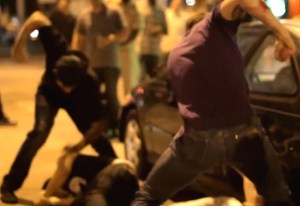
Rixa

brawl

Ebrius ac petulans, qui nullum forte cecidit,
dat poenas, noctem patitur lugentis amicum
Pelidae, cubat in faciem, mox deinde supinus:
[ergo non aliter poterit dormire; quibusdam]
somnum rixa facit. sed quamvis improbus annis
atque mero fervens cavet hunc quem coccina laena
vitari iubet et comitum longissimus ordo,
multum praeterea flammarum et aënea lampas.
me, quem luna solet deducere vel breve lumen
candelae, cuius dispenso et tempero filum,
contemnit. miserae cognosce prohoemia rixae,
si rixa est, ubi tu pulsas, ego vapulo tantum.
stat contra starique iubet. parere necesse est;
nam quid agas, cum te furiosus cogat et idem
fortior? “unde venis?” exclamat, “cuius aceto,
cuius conche tumes? quis tecum sectile porrum
sutor et elixi vervecis labra comedit?
nil mihi respondes? aut dic aut accipe calcem.
ede ubi consistas: in qua te quaero proseucha?”
dicere si temptes aliquid tacitusve recedas,
tantumdem est: feriunt pariter, vadimonia deinde
irati faciunt. libertas pauperis haec est:
pulsatus rogat et pugnis concisus adorat
ut liceat paucis cum dentibus inde reverti.
(Juvenal, Sat. 6.278-301)

The drunken thug is in agony from failing, by some chance, to attack anyone. He’s going through a night like Pelides had when he was grieving for his friend, lying on his face and now on his back again. It takes a brawl to make him sleep. But however insolent he is, seething with youth and unmixed wine, he keeps clear of the man with the warning signs of scarlet cloak and long retinue of attendants plus plenty of torches and bronze lamps. But me he despises, as I go home escorted usually by the moon or by the short-lived light of a candle—its wick I regulate and tend. Here are the preliminaries to the pathetic brawl, if a brawl it is when you do the beating and I just take it. He stands facing me and tells me to stop. I’ve no choice but to obey. After all, what can you do when a lunatic forces you, and he’s stronger as well? ‘Where have you just been?’ he yells. ‘Whose sour wine and beans have blown you out? Which shoemaker has been eating spring onions and boiled sheep’s head with you? Nothing to say? Tell me or you’ll get a kicking! Say, where’s your pitch? Which synagogue shall I look for you in?’ Whether you try to say something or silently retreat, it’s all the same. They beat you up just the same and then, still angry, they sue for assault. This is a poor man’s freedom: when he’s been beaten and treated like a punchbag, he can beg and plead to be allowed to go home with a few teeth left. (tr. Susanna Morton Braund)

Hugieas

helleborus

Κἢν ἐς τὰ μεγάλα δηθύνῃ, ἐν ἕδρῃ ἵζει ἡ μελαγχολία· καὶ ἢν πάντη τοῦ σώματος ἐνοικήσῃ, αἰσθήσεσι, γνώμῃ, αἵματι, χολῇ, λάβηται δὲ καὶ νεύρων, αὐτή τε ἐς ἀνήκεστον τρέπεται, ἐντίκτει τε τῷ σκήνεϊ ἑτέρων νοσημάτων τόκους, σπασμοῦ, μανίης, παραλύσιος· κἢν ἐκ μελαγχολίης τάδε γίγνηται, τὰ ἐπιγιγνόμενα ἀνήκεστα. ἐλλεβόρῳ ὦν χρέεσθαι ἐς ἴησιν τοῦ κακοῦ. ἐπίπροσθεν δὲ τοῦ ἑλλεβόρου χρὴ τόν τε στόμαχον μελετῆσαι ἐξεμέειν, καὶ τὰ ὑγρὰ λεπτῦναι, καὶ τὸ σκῆνος εὔροον ποιέειν· ἔμετοι δὲ τάδε πρήσσουσι, ἄλλοτε μὲν οἱ νήστιες, ἄλλοτε δὲ ῥαφανῖδες. φράσω δὲ τόν τε τρόπον καὶ τὴν ὕλην· φράσω δὲ καὶ τοῦ ἐλλεβόρου τὰ εἴδεα, καὶ τῆς χρήσιος τοῦς τρόπους, καὶ ὅκως προευκρινῆσαι ἕκαστον χρὴ, καὶ ὅκως ἐν τοῖσι ἐμέτοισι ἀρήγειν. ἄπιστον, ἐπὶ τοῖσδε εἰ μὴ ἐλύθη ἐς τὸ πάμπαν ἡ νοῦσος, ἢ πολλῶν ἐτέων ἔσχε διαλείψιας. τὰ πολλὰ γὰρ τοῦδε ἀπότοκοι μελαγχολίαι· ἢν δὲ ἔμπεδος ἥδε, μὴ ἤδη περιμένειν. χρὴ ὦν τὰ ἐς τὸν ἐλλέβορον ἅπαντα πρήσσειν. ὑγιέας μὲν ὦν ἅπαντας ποιέειν ἀδύνατον τοὺς νοσέοντας· ᾖ γὰρ ἂν ἰητρὸς κρέσσων θεοῦ. ἀπονίην δὲ καὶ διαλείψιας καὶ νούσων ἐπικρύψιας, δρῆν θέμις ἰητρόν. ἢ ὦν ἀπαυδῆν ἐπὶ τοῖσδε καὶ ἀπαρνεῖσθαι, προϊσχομένους τὸ ἄναλθες, ἢ καὶ ἐς τέλος τοῖσι ἔργοισι ὁμιλέειν.
(Aretaeus, Chroniōn nousōn therapeutika 1.5)

And if the disease lodge in all parts of the body,—in the senses, the understanding, the blood, and the bile,—and if it seize on the nerves, and turn to an incurable condition, it engenders in the system a progeny of other diseases,—spasms, mania, paralysis. And if they arise from melancholy, the newly-formed diseases are incurable. Wherefore we are to use hellebore for the cure of the ailment. But before the administration of the hellebore, we must train the stomach to vomiting, attenuate the humours, and render the whole system freely perspirable; emetics will accomplish these things sometimes those which are given with an empty stomach, and sometimes those which consist of radishes. I will describe the mode and materials of it; and I will also describe the species of hellebore and the modes of using it; and how we ought to judge of everything beforehand, and how to render assistance during the operation of the emetics. It cannot be doubted that by these means the disease has either been entirely removed or had intervals of several years. For generally melancholy is again engendered. But if it be firmly established, we are no longer to hesitate, but must have recourse to everything relating to the hellebore. It is impossible, indeed, to make all the sick well, for a physician would thus be superior to a god; but the physician can produce respite from pain, intervals in diseases, and render them latent. In such cases, the physician can either decline and deny his assistance, alleging as an excuse the incurable nature of the disease, or continue to the last to render his services. (tr. Francis Adams)

Reparatio

lifeeternal

Docuit quoque non prius ullum
caelestia cernere regna
quam nocte et vulnere tristi
toleraverit aspera mundi.
mors ipsa beatior inde est,
quod per cruciamina leti
via panditur ardua iustis
et ad astra doloribus itur.
sic corpora mortificata
redeunt melioribus annis,
nec post obitum recalescens
compago fatiscere novit.
haec quae modo pallida tabo
color albidus inficit ora
tunc flore venustior omni
sanguis cute tinguet amoena.
iam nulla deinde senectus
frontis decus invida carpet,
macies neque sicca lacertos
suco tenuabit adeso.
morbus quoque pestifer artus
qui nunc populatur anhelos
sua tunc tormenta resudans
luet inter vincula mille.
hunc eminus aëre ab alto
victrix caro iamque perennis
cernet sine fine gementem
quos moverat ipse dolores.
quid turba superstes inepta
clangens ululamina miscet?
cur tam bene condita iura
luctu dolor arguit amens?
iam maesta quiesce querella,
lacrimas suspendite, matres!
nullus sua pignera plangat,
mors haec reparatio vitae est.
(Prudentius, Cathemerinon 10.85-120)

He taught too that no man sees the heavenly kingdom ere in darkness and sore hurt he has borne the adversities of the world. Therefore is death itself more blessed, in that through the pains of death a way on high is opened for the righteous and by their sufferings they pass to the skies. Thus bodies that have perished return in better days, and the frame growing warm again after its decease cannot any more decline. These cheeks which now are wan and white with wasting shall then have beauteous skin tinged with the bloom of blood more charming than any flower. No longer then shall jealous age steal away the grace of the brow, nor withered leanness consume the sap of the arms and leave them shrunken. Baleful Disease too, which now wastes our panting frames, will then in sweat suffer the penalty of his own torments in a thousand bonds. From high heaven, far off, the flesh, victorious and now immortal, shall see him bemoaning without end the very pains himself had caused before. Why does the band of survivors join in a loud noise of foolish lamentation, and senseless grief in its mourning blame laws so surely established? Be silent now, sad plaint; stay your tears, ye mothers. Let none lament for his dear ones, for this death is the renewal of life. (tr. Henry John Thomson)

Barbaria

painted_ancient_warfare_thracian_1

Moesi quam feri, quam truces fuerint, quam ipsorum etiam barbari barbarorum horribile dictu est. unus ducum ante aciem postulato silentio “qui vos estis?” inquit. responsum invicem “Romani gentium domini.” et ille “ita” inquit “fiet, si nos viceritis.” accepit omen Marcus Crassus. illi statim ante aciem inmolato equo concepere votum, ut caesorum extis ducum et litarent et vescerentur. deos audisse crediderim: nec tubas sustinere potuerunt. non minimum terroris incussit barbaris Cornidius centurio satis barbarae, efficacis tamen apud tales homines stoliditatis, qui foculum gerens super cassidem, agitatum motu corporis, flammam velut ardenti capite funditabat. Thraces antea saepe, tum maxime Rhoemetalce rege desciverant. ille barbaros et signis militaribus et disciplina, armis etiam Romanis adsueverat; sed a Pisone perdomiti in ipsa captivitate rabiem ostendere. quippe cum catenas morsibus temptarent, feritatem suam ipsi puniebant. Daci montibus inhaerent. inde Cotisonis regis imperio, quotiens concretus gelu Danuvius iunxerat ripas, decurrere solebant et vicina populari. visum est Caesari Augusto gentem aditu difficillimam summovere. misso igitur Lentulo ultra ulteriorem perpulit ripam; citra praesidia constituta. sic tum Dacia non victa, sed summota atque dilata est. Sarmatae patentibus campis inequitant. et hos per eundem Lentulum prohibere Danuvio satis fuit. nihil praeter nives pruinasque et silvas habent. tanta barbaria est, ut nec intellegant pacem.
(Florus, Epit. 2.26-29)

It is a repulsive task to describe the savagery and cruelty of the Moesians and their barbarity surpassing that of all other barbarians. One of their leaders, after calling for silence, exclaimed in front of the host, “Who are you?” And when the reply was given, “We are Romans, lords of the world,” “So you will be,” was the answer, “if you conquer us.” Marcus Crassus accepted the omen. The Moesians immediately sacrificed a horse in front of the army and made a vow that they would offer up and feed upon the vitals of the slaughtered leaders of their enemies. I can well believe that the gods heard their boast, for they would not even endure the sound of our trumpets. No little terror was inspired in the barbarians by the centurion Cornidius, a man of rather barbarous stupidity, which, however, was not without effect upon men of similar character; carrying on the top of his helmet a pan of coals which were fanned by the movement of his body, he scattered flame from his head, which had the appearance of being on fire.
Though the Thracians had often revolted before, their most serious rising had taken place now under King Rhoemetalcis. He had accustomed the barbarians to the use of military standards and discipline and even of Roman weapons. Thoroughly subdued by Piso, they showed their mad rage even in captivity; for they punished their own savagery by trying to bite through their fetters.
The Dacians cling close to the mountains, whence, whenever the Danube froze and bridged itself, under the command of their King Cotiso, they used to make descents and ravage the neighbouring districts. Though they were most difficult to approach, Caesar resolved to drive back this people. He, therefore, sent Lentulus and pushed them beyond the further bank of the river; and garrisons were posted on the nearer bank. On this occasion then Dacia was not subdued, but its inhabitants were moved on and reserved for future conquest.
The Sarmatians range on horseback over wide-spreading plains. Them too it was deemed sufficient to debar from access to the Danube, and Lentulus was entrusted with this task also. Their territory consists entirely of snow, ice and forest. So barbarous are they that they do not even understand what peace is. (tr. Edward Seymour Forster)

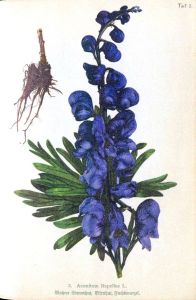
Akoniton

aconitum

Τὸ δ’ ἀκόνιτον γίνεται μὲν καὶ ἐν Κρήτῃ καὶ ἐν Ζακύνθῳ, πλεῖστον δὲ καὶ ἄριστον ἐν Ἡρακλείᾳ τῇ ἐν Πόντῳ. ἔχει δὲ φύλλον μὲν κιχοριῶδες, ῥίζαν δὲ ὁμοίαν τῷ σχήματι καὶ τῷ χρώματι καρίδι, τὴν δὲ δύναμιν τὴν θανατηφόρον ἐν ταύτῃ· τὸ δὲ φύλλον καὶ τὸν καρπὸν οὐθέν φασι ποιεῖν· καρπὸς δέ ἐστι πόας οὐχ ὑλήματος. βραχεῖα δὲ ἡ πόα καὶ οὐδὲν ἔχουσα περιττόν, ἀλλὰ παρομοία τῷ σίτῳ τὸ δὲ σπέρμα οὐ σταχυηρόν. φύεται δὲ πανταχοῦ καὶ οὐκ ἐν ταῖς Ἀκόναις μόνον, ἀφ’ ὧν ἔχει τὴν προσηγορίαν· αὕτη δέ ἐστι κώμη τις τῶν Μαριανδυνῶν· φιλεῖ δὲ μάλιστα τοὺς πετρώδεις τόπους· οὐ νέμεται δὲ οὔτε πρόβατον οὔτ’ ἄλλο ζῶον οὐδέν. συντίθεσθαι δὲ τρόπον τινὰ πρὸς τὸ ἐργάζεσθαι καὶ οὐ παντὸς εἶναι· δι’ ὃ καὶ τοὺς ἰατροὺς οὐκ ἐπισταμένους συντιθέναι σηπτικῷ τε χρῆσθαι καὶ πρὸς ἄλλα ἄττα· πινόμενον δ’ οὐδεμίαν αἴσθησιν ποιεῖν οὔτ’ ἐν οἴνῳ οὔτ’ ἐν μελικράτῳ· συντίθεσθαι δὲ ὥστε κατὰ χρόνους τακτοὺς ἀναιρεῖν, οἷον δίμηνον τρίμηνον ἑξάμηνον ἐνιαυτόν, τοὺς δὲ καὶ δύο ἔτη· χείριστα δὲ ἀπαλλάττειν τοὺς ἐν πλείστῳ χρόνῳ καταφθίνοντος τοῦ σώματος, ῥᾷστα δὲ τοὺς παραχρῆμα. λυτικὸν δὲ φάρμακον οὐχ εὑρῆσθαι, καθάπερ ἀκούομεν ἑτέρων τι φύεσθαι. ἀλλὰ τοὺς ἐγχωρίους ἀνασώζειν τινὰς μέλιτι καὶ οἴνῳ καὶ τοιούτοις τισί, σπανίως δὲ καὶ τούτους καὶ ἐργωδῶς.
(Theophrastus, Peri Phutōn Historia 9.16.4-5)

Wolf’s-bane grows in Crete and in Zakynthos, but is most abundant and best at Herakleia in Pontus. It has a leaf like chicory, a root like in shape and colour to a prawn, and in this root resides its deadly property, whereas they say that the leaf and the fruit produce no effects. The fruit is that of a herb, not that of a shrub or tree. It is a lowgrowing herb and shows no special feature, but is like corn, except that the seed is not in an ear. It grows everywhere and not only at Akonai, from whence it gets its name (this is a village of the Mariandynoi): and it specially likes rocky ground. Neither sheep nor any other animals eat it. In order to be effective it is said that it must be compounded in a certain manner, and that not everyone can do this: and so that physicians, not knowing how to compound it, use it as a septic and for other purposes: and that, if drunk mixed in wine or a honey-posset, it produces no sensation: but that it can be so compounded as to prove fatal at a certain moment which may be in two three or six months, or in a year, or even in two years: and that the longer the time the more painful the death, since the body then wastes away, while, if it acts at once, death is quite painless. And it is said that no antidote which can counteract it has been discovered, like the natural antidotes to other poisonous herbs of which we are told: though the country-folk can sometimes save a man with honey and wine and such like things, only however occasionally and with difficulty. (tr. Arthur Hort)