Excidere

Sulpicius-Severus-St-Martin-of-Tours

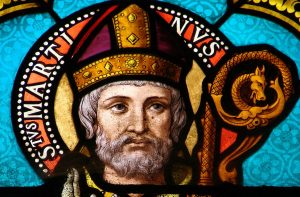
Item, cum in vico quodam templum antiquissimum diruisset et arborem pinum, quae fano erat proxima, esset aggressus excidere, tum vero antistes loci illius ceteraque gentilium turba coepit obsistere. et cum idem illi, dum templum evertitur, imperante Domino quievissent, succidi arborem non patiebantur. ille eos sedulo commonere, nihil esse religionis in stipite: Deum potius, cui serviret ipse, sequerentur: arborem illam succidi oportere, quia esset daemoni dedicata. tum unus ex illis qui erat audacior ceteris: si habes, inquit, aliquam de Deo tuo, quem dicis te colere, fiduciam, nosmet ipsi succidemus hanc arborem, tu ruentem excipe: et si tecum est tuus, ut dicis, Dominus, evades. tum ille intrepide confisus in Domino facturum se pollicetur. hic vero ad istius modi condicionem omnis illa gentilium turba consensit, facilemque arboris suae habuere iacturam, si inimicum sacrorum suorum casu illius obruissent. itaque cum unam in partem pinus illa esset acclinis, ut non esset dubium, quam in partem succisa corrueret, eo loci vinctus statuitur pro arbitrio rusticorum, quo arborem esse casuram nemo dubitabat. succidere igitur ipsi suam pinum cum ingenti gaudio laetitiaque coeperunt. aderat eminus turba mirantium. iamque paulatim nutare pinus et ruinam suam casura imitari. pallebant eminus monachi et periculo iam propiore conterriti spem omnem fidemque perdiderant, solam Martini mortem exspectantes. at ille confisus in Domino intrepidus opperiens, cum iam fragorem sui pinus concidens edidisset, iam cadenti, iam super se ruenti, elevata obviam manu, signum salutis opponit. tum vero – velut turbinis modo retro actam putares – diversam in partem ruit, adeo ut rusticos, qui toto in loco steterant, paene prostraverit. tum vero in caelum clamore sublato gentiles stupere miraculo, monachi flere prae gaudio, Christi nomen in commune ab omnibus praedicari: satisque constitit eo die salutem illi venisse regioni.
(Sulpicius Severus, Vita Sancti Martini 13.1-9)

Again, when in a certain village he had demolished a very ancient temple, and had set about cutting down a pine-tree, which stood close to the temple, the chief priest of that place, and a crowd of other heathens began to oppose him. And these people, though, under the influence of the Lord, they had been quiet while the temple was being overthrown, could not patiently allow the tree to be cut down. Martin carefully instructed them that there was nothing sacred in the trunk of a tree, and urged them rather to honor God whom he himself served. He added that there was a moral necessity why that tree should be cut down, because it had been dedicated to a demon. Then one of them who was bolder than the others says, “If you have any trust in thy God, whom you say you worship, we ourselves will cut down this tree, and be it your part to receive it when falling; for if, as you declare, your Lord is with you, you will escape all injury.” Then Martin, courageously trusting in the Lord, promises that he would do what had been asked. Upon this, all that crowd of heathen agreed to the condition named; for they held the loss of their tree a small matter, if only they got the enemy of their religion buried beneath its fall. Accordingly, since that pine-tree was hanging over in one direction, so that there was no doubt to what side it would fall on being cut, Martin, having been bound, is, in accordance with the decision of these pagans, placed in that spot where, as no one doubted, the tree was about to fall. They began, therefore, to cut down their own tree, with great glee and joyfulness, while there was at some distance a great multitude of wondering spectators. And now the pine-tree began to totter, and to threaten its own ruin by falling. The monks at a distance grew pale, and, terrified by the danger ever coming nearer, had lost all hope and confidence, expecting only the death of Martin. But he, trusting in the Lord, and waiting courageously, when now the falling pine had uttered its expiring crash, while it was now falling, while it was just rushing upon him, simply holding up his hand against it, he put in its way the sign of salvation. Then, indeed, after the manner of a spinning-top (one might have thought it driven back), it swept round to the opposite side, to such a degree that it almost crushed the rustics, who had taken their places there in what was deemed a safe spot. Then truly, a shout being raised to heaven, the heathen were amazed by the miracle, while the monks wept for joy; and the name of Christ was in common extolled by all. The well-known result was that on that day salvation came to that region. (tr. Alexander Roberts)
Meretrix

tumblr_inline_n5iur49i1m1sawp4h

Quid privata domus, quid fecerit Eppia, curas?
respice rivales divorum, Claudius audi
quae tulerit. dormire virum cum senserat uxor,
linquebat comite ancilla non amplius una.
sumere nocturnos meretrix Augusta cucullos
ausa Palatino et tegetem praeferre cubili.
sic nigrum flavo crinem abscondente galero
intravit calidum veteri centone lupanar
et cellam vacuam atque suam; tunc nuda papillis
prostitit auratis titulum mentita Lyciscae
ostenditque tuum, generose Britannice, ventrem.
excepit blanda intrantis atque aera poposcit.
mox lenone suas iam dimittente puellas
tristis abit, et quod potuit tamen ultima cellam
clausit, adhuc ardens rigidae tentigine volvae,
et lassata viris necdum satiata recessit,
obscurisque genis turpis fumoque lucernae
foeda lupanaris tulit ad pulvinar odorem.
(Juvenal, Sat. 6.114-132)

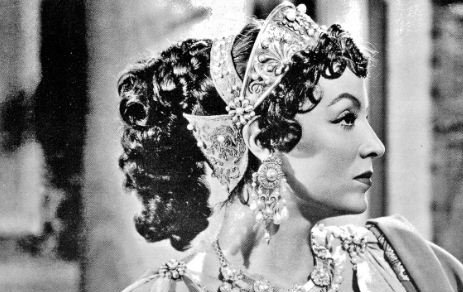
Are you concerned about what happened in a private household, what Eppia got up to? Then take a look at the rivals of the gods, listen to what Claudius put up with. When his wife* realised her husband was asleep, she would leave, with no more than a single maid as her escort. Preferring a mat to her bedroom in the Palace, she had the nerve to put on a nighttime hood, the whore-empress. Like that, with a blonde wig hiding her black hair, she went inside a brothel reeking of ancient blankets to an empty cubicle – her very own. Then she stood there, naked and for sale, with her nipples gilded, under the trade name of “She-Wolf,” putting on display the belly you came from, noble-born Brittanicus. She welcomed her customers seductively as they came in and asked for their money. Later, when the pimp was already dismissing his girls, she left reluctantly, waiting till the last possible moment to shut her cubicle, still burning with her clitoris inflamed and stiff. She went away, exhausted by the men but not yet satisfied, and, a disgusting creature, with her cheeks filthy, dirty from the smoke of the lamp, she took back to the emperor’s couch the stench of the brothel.

* Messalina

(tr. Susanna Morton Braund)

Teleōtaton

ibm-marble-1-320

Καθάπερ οὖν ἄνθρωπος ἁπάντων ζῴων ἐστὶ τὸ τελεώτατον, οὕτως ἐν αὐτῷ τούτῳ πάλιν ἀνὴρ γυναικὸς <τελεώτερος>. ἡ δ’ αἰτία τῆς τελειότητος ἡ τῆς θερμότητος ὑπεροχὴ, τοῦτο γάρ ἐστι πρῶτον ὄργανον τῆς φύσεως. ἐν οἷς οὖν ἐλλιπέστερον, ἐν τούτοις ἀναγκαῖον ἀτελέστερον εἶναι καὶ τὸ δημιούργημα. οὔκουν θαυμαστὸν οὐδὲν, εἰ τὸ θῆλυ τοῦ ἄῤῥενος εἰς τοσοῦτον ἀτελέστερον, εἰς ὅσον ψυχρότερον. ὥσπερ οὖν ἀτελεῖς ἔσχεν ὀφθαλμοὺς ὁ ἀσπάλαξ, οὐ μὴν οὕτω γε ἀτελεῖς, ὡς οἷς οὐδ’ ὅλως ἐστὶ ζώοις οὐδ’ ὑπογραφή τις αὐτῶν, οὕτω καὶ γυνὴ τοῖς γεννητικοῖς μορίοις ἀνδρὸς ἀτελεστέρα· διεπλάσθη μὲν γὰρ ἔνδον, αὐτῆς ἔτι κυουμένης, τὰ μόρια, προκύψαι δὲ καὶ ἀνατεῖλαι πρὸς τοὐκτὸς ἀῤῥωστίᾳ θερμότητος οὐ δυνάμενα τὸ μὲν διαπλαττόμενον αὐτὸ ζῶον ἀτελέστερον ἀπειργάσατο τοῦ πάντη τελείου, τῷ δ’ ὅλῳ γένει χρείαν οὐ σμικρὰν παρέσχεν, ἔδει γὰρ εἶναί τι καὶ θῆλυ. μὴ γὰρ δὴ νομίσῃς, ὡς ἑκὼν ἄν ποτε τὸ ἥμισυ μέρος ὅλου τοῦ γένους ἡμῶν ὁ δημιουργὸς ἀτελὲς ἀπειργάσατο καὶ οἷον ἀνάπηρον, εἰ μή τις κᾀκ τούτου τοῦ πηρώματος ἔμελλεν ἔσεσθαι χρεία μεγάλη.
(Galen, De Usu Partium 14.6)

Now just as mankind is the most perfect of all animals, so within mankind the man is more perfect than the woman, and the reason for his perfection is his excess of heat, for heat is Nature’s primary instrument. Hence in those animals that have less of it, her workmanship is necessarily more imperfect, and so it is no wonder that the female is less perfect than the male by as much as she is colder than he. In fact, just as the mole has imperfect eyes, though certainly not so imperfect as they are in those animals that do not have any trace of them at all, so too woman is less perfect than the man in respect of the generative parts. For the parts were formed within her when she was still a foetus, but could not because of the defect in the heat emerge and project on the outside, and this, though making the animal itself that was being formed less perfect than one that is complete in all respects, provided no small advantage for the race; for there needs must be a female. Indeed, you ought not to think that our Creator would purposely make half the whole race imperfect and, as it were, mutilated, unless there was to be some great advantage in such a mutilation. (tr. Margaret Tallmadge May)

Arresi

about-to-be-born1

Αἴτιον δὴ τοῦ τοῖς μὲν ἄρρεσι μὴ πᾶσιν εἶναι περίττωμα γεννητικὸν τοῖς δὲ θήλεσι πᾶσιν, ὅτι τὸ ζῷον σῶμα ἔμψυχόν ἐστιν. ἀεὶ δὲ παρέχει τὸ μὲν θῆλυ τὴν ὕλην τὸ δ’ ἄρρεν τὸ δημιουργοῦν· ταύτην γὰρ αὐτῶν φαμεν ἔχειν τὴν δύναμιν ἑκάτερον, καὶ τὸ εἶναι τὸ μὲν θῆλυ τὸ δ’ ἄρρεν τοῦτο. ὥστε τὸ μὲν θῆλυ ἀναγκαῖον παρέχειν σῶμα καὶ ὄγκον, τὸ δ’ ἄρρεν οὐκ ἀναγκαῖον· οὔτε γὰρ τὰ ὄργανα ἀνάγκη ἐνυπάρχειν ἐν τοῖς γιγνομένοις οὔτε τὸ ποιοῦν. ἔστι δὲ τὸ μὲν σῶμα ἐκ τοῦ θήλεος ἡ δὲ ψυχὴ ἐκ τοῦ ἄρρενος· ἡ γὰρ ψυχὴ οὐσία σώματός τινός ἐστιν.
(Aristotle, Gen. An. 738b)

Why does this generative residue, then, not occur in all males, although it occurs in all females? The answer is that an animal is a living body, a body with a Soul in it. The female always provides the material, the male provides that which fashions the material into shape; this, in our view, is the specific characteristic of each of the sexes: that is what it means to be male or to be female. Hence, necessity requires that the female should provide the physical part, i.e., a quantity of material, but not that the male should do so, since necessity does not require that the tools should reside in the product that is being made, nor that the agent which uses them should do so. Thus the physical part, the body, comes from the female, and the Soul from the male, since the Soul is the essence of a particular body. (tr. Arthur Leslie Peck)

Blandimenta

Theodoric-I

Eat nunc et coturnatis relationibus Alexandrum iactet antiquitas, cui famae opulentiam peperit dos loquentium, ut per adiutricem facundiam videatur crescere rebus mendica laudatio. regis nostri merita solacium non postulant adserentis: minora sunt eius veris actibus, quamvis aucta sint veterum gesta mendaciis. simulastis, poetae, grandia, sed fateri vos convenit praesentem dominum gessisse potiora. Pelleus ductor praeconiorum suorum summam Choerili voluit constare beneficio, ne fallendi votum multitudo deprehenderet et fieret testis impudentiae, qui adsciscebatur in adstipulatione victoriae. nihil detraho senioribus, quos praecipuos habuisset antiquitas, nisi Romani nominis erectio te dedisset. illum verae religionis ignarum obtinuit erroris mater inscitia: te summi dei cultorem ab ipso lucis limine instructio vitalis instituit. numquam applicas laboribus tuis, quod eventus dexter obtulerit: scis in te curam, penes deum perfectionis esse substantiam. agis ut prospera merearis adipisci, sed potitus universa adscribis auctori. exhibes robore vigilantia prosperitate principem, mansuetudine sacerdotem. quid! frustra maiores nostri divos et pontifices vocarunt, quibus sceptra collata sunt. singulare est actibus implere sanctissimum et veneranda nomina non habere. rex meus sit iure Alamannicus, dicatur alienus, ut divus vitam agat ex fructu conscientiae nec requirat pomposae vocabula nuda iactantiae, in cuius moribus veritati militant blandimenta maiorum.
(Ennodius, Panegyricus Dictus Clementissimo Regi Theoderico 78-81)

Let antiquity go now and show off Alexander with his high stepping stories! For him the gift of eloquent historians brought a wealth of fame, so that his praise, poor in substance, seemed to grow through the help of fecundity. The merits of our king do not require the solace of a publicist! The accomplishments of the old ones, no matter how embellished with lies, are minor compared to his genuine achievements. Poets, you fabricate great deeds but it is proper for you to admit that our present lord accomplished greater feats. The Pellean leader wished his entire praises to be composed by the services of a Choerilius, so that the multitude not catch his desire to deceive and that he who was lured into confirming his victory not become a witness to his impudence. I would detract nothing from those whom antiquity considered exceptional, had not the revival of Roman renown brought you forward. Him, his mother unaware of her error kept ignorant of true religion, but vital instruction initiated you into the worship of the highest God at the very threshold of life. Never do you accredit to your labours what an auspicious event offered you. You know that responsibility rests with you, and that God is the force responsible for your achievements. Your conduct is such, that you deserve to obtain prosperity, yet everything you gain you ascribe to your Maker. Your strength, watchfulness and good fortune show the sovereign, your clemency, the priest. What more! In vain our ancestors called those on whom the sceptres were conferred divine and pontifices. It is singular to fulfil the most sacred and not hold venerable titles! Let my king by rights be Alamannicus, but let another hold the title, so that divinely blessed he may live his life by the fruit of his conscience and not require the empty titles of pompous boasting. His character turns the sycophancy of the ancients into reality. (tr. Barbara S. Haase)


Nephodiōktas

A bear rides a bicycle

Οἱ μάντεσιν ἑαυτοὺς ἐκδιδόντες ἢ τοῖς λεγομένοις ἑκατοντάρχοις ἤ τισι τοιούτοις, ὡς ἂν παρ᾿ ἐκείνων μάθοιεν ὅ τι ἂν αὐτοῖς ἐκκαλύπτεσθαι βούλοιντο, κατὰ τὰ πρώην ὑπὸ τῶν πατέρων περὶ αὐτῶν ὁρισθέντα ὑπὸ τὸν κανόνα πιπτέτωσαν τῆς ἑξαετίας. τῷ αὐτῷ δὲ τούτῳ ἐπιτιμίῳ καθυποβάλλεσθαι δεῖ καὶ τοὺς τὰς ἄρκτους ἐπισυρομένους ἢ τοιαῦτα ζῷα πρὸς παίγνιον καὶ βλάβην τῶν ἁπλουστέρων καὶ τύχην καὶ εἱμαρμένην καὶ γενεαλογίαν καὶ τοιούτων τινῶν ῥημάτων ὄχλον κατὰ τοὺς τῆς πλάνης λήρους φωνοῦντας τούς τε λεγομένους νεφοδιώκτας καὶ γητευτὰς καὶ φυλακτηρίους καὶ μάντεις. ἐπιμένοντας δὲ τούτοις καὶ μὴ μετατιθεμένους καὶ ἀποφεύγοντας τὰ ὀλέθρια ταῦτα καὶ ἑλληνικὰ ἐπιτηδεύματα παντάπασιν ἀπορρίπτεσθαι τῆς ἐκκλησίας, ὁρίζομεν, καθὰ καὶ οἱ ἱεροὶ κανόνες διαγορεύουσι· τίς γὰρ κοινωνία φωτὶ πρὸς σκότος, φησὶν ὁ ἀπόστολος, ἢ τίς συγκατάθεσις ναῷ θεοῦ μετὰ εἰδώλων, ἢ τίς μερὶς πιστῷ μετὰ  πίστου, τις δὲ συμφώνησις Χριστῷ πρὸς Βελίαρ;
(Kanones tēs en Troullōi Hagias kai Oikoumenikēs Penthektēs Sunodou, Kanon 61)


Those who have recourse to diviners, or to so-called ‘centurions’, or to any such persons, in order to learn from them whatever it is they want to discover, shall be subject to the canonical penalty of six years, in accordance to the decrees made by the Fathers not long ago in such matters. The same penalty ought to be inflicted on those who keep bears in tow and other such animals in order to deceive and cause mischief to the more simple-minded, haranguing the throng with fortune and fate and genealogy and other such words used in the trumpery of imposture, as well as the so-called cloud-chasers, sorcerers, purveyors of amulets, and diviners. If they persist in these things and do not renounce and flee these deadly pagan practices, we decree that they should be cast out altogether from the Church, as the sacred canons declare. For ‘what fellowship is there between light and darkness? asks the Apostle, or what agreement has the temple of God with idols? Or what does a believer share with an unbeliever? What agreement does Christ have with Beliar?’ (tr. George Nedungatt & Michael Featherstone)

Agrupnos

sakin-ofkeliyken-uyumayin-h1480666329-a0e0ea

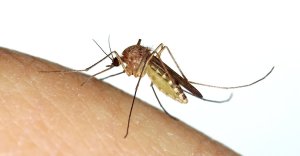
Πταίης μοι κώνωψ, ταχὺς ἄγγελος, οὔασι δ’ ἄκροις
Ζηνοφίλας ψαύσας προσψιθύριζε τάδε·
“ἄγρυπνος μίμνει σε· σὺ δ’, ὦ λήθαργε φιλούντων,
εὕδεις.” εἶα, πέτευ· ναί, φιλόμουσε, πέτευ·
ἥσυχα δὲ φθέγξαι, μὴ καὶ σύγκοιτον ἐγείρας
κινήσῃς ἐπ’ ἐμοὶ ζηλοτύπους ὀδύνας.
ἢν δ’ ἀγάγῃς τὴν παῖδα, δορᾷ στέψω σε λέοντος,
κώνωψ, καὶ δώσω χειρὶ φέρειν ῥόπαλον.
(Meleager, Anth. Gr. 5.152)

Fly for me, mosquito: be my swift messenger. Alight on the rim of Zenophila’s ear and whisper this: “He is awake, and waits for you; but you forget those who love you, and sleep.” Up, fly! Yes, musical one, fly! But speak quietly, so you don’t wake the man who is sleeping with her and arouse in him pangs of jealousy against me. If you bring the girl, I will hood you with a lion’s pelt, mosquito, and give you a club to carry in your hand*.

* The mosquito would thus be attired like Heracles. While other instances of mosquitoes imitating Heracles are (not surprisingly) unknown, Love was sometimes depicted wearing a lion skin.

(tr. William Roger Paton, revised by Michael A. Tueller, with the latter’s note)

Oxuboai

well_mosquito-facebookJumbo

Ὀξυβόαι κώνωπες, ἀναιδέες αἵματος ἀνδρῶν
σίφωνες, νυκτὸς κνώδαλα διπτέρυγα,
βαιὸν Ζηνοφίλαν, λίτομαι, πάρεθ’ ἥσυχον ὕπνῳ
εὕδειν, τἀμὰ δ’, ἰδού, σαρκοφαγεῖτε μέλη.
καίτοι πρὸς τί μάτην αὐδῶ; καὶ θῆρες ἄτεγκτοι
τέρπονται τρυφερῷ χρωτὶ χλιαινόμενοι.
ἀλλ’ ἔτι νῦν προλέγω, κακὰ θρέμματα, λήγετε τόλμης,
ἢ γνώσεσθε χερῶν ζηλοτύπων δύναμιν.
(Meleager, Anth. Gr. 5.151)

Shrill-voiced mosquitoes, shameless suckers of men’s blood, night’s winged predators, I beg you, let Zenophila sleep a little in peace. Here: gorge yourselves on my limbs! But why am I wasting my words? Pitiless beasts also love to be warmed by her tender flesh. But I now forewarn you, evil creatures: do not defy me, or you will feel the strength of my jealous hands. (tr. William Roger Paton, revised by Michael A. Tueller)

Sunēba

young-people-partying-bar-beer-081514-

Σύν μοι πῖνε, συνήβα, συνέρα, συστεφανηφόρει,
σύν μοι μαινομένῳ μαίνεο, σὺν σώφρονι σωφρόνει.
(Poetae Melici Graeci 902)

Drink with me, be youthful with me, love with me, wear garlands with me, be mad with me when I am mad, sober with me when I am sober. (tr. David A. Campbell)

Felicitate

1024px-Wien-_Parlament-Tacitus

Simul Veritas pluribus modis infracta, primum inscitia rei publicae ut alienae, mox libidine adsentandi aut rursus odio adversus dominantis. Ita neutris cura posteritatis inter infensos vel obnoxios. sed ambitionem scriptoris facile averseris, obtrectatio et livor pronis auribus accipiuntur; quippe adulationi foedum crimen servitutis, malignitati falsa species libertatis inest. mihi Galba, Otho, Vitellius nec beneficio nec iniuria cogniti. dignitatem nostram a Vespasiano inchoatam, a Tito auctam, a Domitiano longius provectam non abnuerim, sed incorruptam fidem professis neque amore quisquam et sine odio dicendus est. quod si vita suppeditet, principatum divi Nervae et imperium Traiani, uberiorem securioremque materiam, senectuti seposui, rara temporum felicitate ubi sentire quae velis et quae sentias dicere licet.
(Tacitus, Hist. 1.1)

Truth, too, suffered in various ways, thanks first to an ignorance of politics, which now lay outside public control; later came a passion for flattery, or else a hatred of autocrats. Thus, among those who were hostile or subservient, neither extreme cared about posterity. However, although the reader can easily discount a historian’s flattery, there is a ready audience for detraction and spite. Adulation bears the ugly taint of subservience, but malice gives the false impression of being independent. As for myself, Galba, Otho and Vitellius were known to me neither as benefactors nor as enemies. My official career owed its beginning to Vespasian, its progress to Titus and its further advancement to Domitian. I have no wish to deny this; but writers who claim to be honest and reliable must not speak about anybody with either partiality or hatred. If I live, I propose to deal with the reign of the deified Nerva and the imperial career of Trajan. This is a more fruitful and less thorny field, and I have reserved it for my old age. Modern times are indeed happy as few others have been, for we can think as we please, and speak as we think. (tr. Kenneth Wellesley, revised by Rhiannon Ash)