
Gigantem

ROM036_1(l)

This is part 1 of 3. Part 2 is here. Part 3 is here.

Qui* cum forte Sueonum regis Sigtrugi filiam Gro gigantum cuidam desponsam cognosceret, tam indignam regio sanguine copulam exsecratus bellum Sueticum auspicatur, Herculeae virtutis exemplo monstrorum nisibus obstaturus. inita Gothia cum deturbandorum obviorum gratia caprinis tergoribus amictus incederet ac variis ferarum pellibus circumactus horrificumque dextra gestamen complexus giganteas simularet exuvias, ipsam Gro silvestres forte latices cum paucis admodum pedissequis lavandi gratia petentem equo obviam habuit. quae sponsum adesse rata simulque tam insoliti cultus horrore muliebriter territa succussis frenis maxima cum totius corporis trepidatione patrio carmine sic coepit:
“conspicor invisum regi venisse gigantem
et gressu medias obtenebrare vias,
aut oculis fallor; nam tegmine saepe ferino
contigit audaces delituisse viros.”
tum Bessus sic orsus:
“virgo, caballi
quae premis armos,
verba vicissim
mutua fundens,
quod tibi nomen,
qua fueris, dic,
gente creata!”
ad haec Gro:
“Gro mihi nomen,
rex pater exstat,
sanguine fulgens,
fulgidus armis.
tu quoque, quis sis
aut satus unde,
promito nobis!”
cui Bessus:
“Bessus ego sum,
fortis in armis,
trux inimicis,
gentibus horror,
atque alieno
saepe refundens
sanguine dextram.”
tum Gro:
“quis, rogo, vestrum
dirigit agmen?
quo duce signa
bellica fertis?
quis moderatur
proelia princeps?
quove paratur
praestite bellum?”

* i.e. Gram

(Saxo Grammaticus, Historia Danorum 1.4.2-4)

When he chanced to learn that Gro, the daughter of Sigtrug, king of the Swedes, was betrothed to one of the giants, he cursed such an unwarranted connexion of royal blood and began a Swedish war, intending to oppose the exertions of monsters with a truly Herculean bravery. On entering Götaland he put on goat-skins to intimidate anyone who appeared in his path; accoutred thus in an assortment of animal hides, with a terrifying club in his right hand, he impersonated a giant. Gro met him as she happened to be riding to the forest-pools to bathe, a small group of handmaids attending her on foot. Thinking it was her betrothed, but at the same time experiencing a feminine consternation at his strange dress, she flung up her reins and, with her whole body trembling, began, in the words of our native poetry, like this:
“Can it be the giant, loathsome to the king,
shadowing with his steps the middle of the road?
Yet bold warriors have frequently concealed
themselves beneath the pelts of beasts.”
Then Bess spoke:
“You, maiden, who ride
upon the steed’s back,
exchanging words with me,
tell us your name,
and from what lineage
you take your birth.”
She replied:
“Gro is my name,
my father of royal
blood, resplendent,
dazzling in arms.
But you too disclose
what man you are,
or whence you are sprung.”
The other answered:
“Bess I am,
valiant in warfare,
ferocious and terrible
to enemy peoples,
often wetting
this right hand
with foreigners’ life-blood.”
Then said Gro:
“Tell me, what leader
draws up your battle-line?
For whom do you carry
the standards of war?
What chieftain
prepares you for action,
under whose eye
you wage your strife?”
(tr. Peter Fisher)
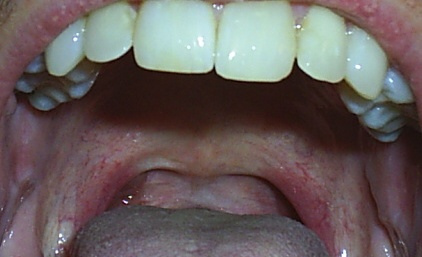
Staphulēn

66206122_c15fd6363f

Σχολαστικῷ τὴν σταφυλὴν τμηθέντι παρήγγειλεν ὁ ἰατρὸς μὴ λαλεῖν. ὁ δὲ τῷ δούλῳ αὐτοῦ ἐπέταξεν ἀντασπάζεσθαι ἀντ’ αὐτοῦ τοὺς προσαγορεύοντας. εἶτα αὐτὸς πρὸς ἕκαστον ἔλεγε· “μὴ πρὸς ὕβριν αὐτὸ δέξῃ, εἰ ὁ δοῦλός μου ἀντ’ ἐμοῦ ἀσπάζεταί σε· ἐκέλευσε γάρ με ὁ ἰατρὸς μὴ λαλεῖν.”
(Philogelos 7)

A student dunce has his uvula removed. After the operation, the doctor tells him not to try talking. So whenever anyone greets him, he has his slave return the greeting. But then he explains to each one, ‘Don’t feel insulted that my slave does the greeting for me: my doctor told me not to talk.’ (tr. William Berg)

Aëneus

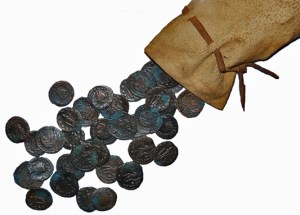
coins

Vilius argentum est auro, virtutibus aurum.
‘o cives, cives, quaerenda pecunia primum est;
virtus post nummos!’ haec Ianus summus ab imo
prodocet, haec recinunt iuvenes dictata senesque
laevo suspensi loculos tabulamque lacerto.
est animus tibi, sunt mores, est lingua fidesque,
sed quadringentis sex septem milia desunt:
plebs eris. at pueri ludentes: ‘rex eris’ aiunt,
‘si recte facies’: hic murus aëneus esto
nil conscire sibi, nulla pallescere culpa.
Roscia, dic sodes, melior lex an puerorum est
nenia, quae regnum recte facientibus offert,
et maribus Curiis et decantata Camillis?
isne tibi melius suadet, qui ‘rem facias, rem,
si possis, recte, si non, quocumque modo rem,’
ut propius spectes lacrimosa poëmata Pupi,
an qui Fortunae te responsare superbae
liberum et erectum praesens hortatur et aptat?
(Horace, Ep. 1.1.52-69)

Of less worth than gold is silver, than virtue gold. “O citizens, citizens, money you first must seek; virtue after pelf.” This rule the Janus arcade proclaims from top to bottom; this is the lesson the old as well as the young are singing, “with slate and satchel slung over the left arm.” You have sense, you have morals, eloquence and honour, but there are six or seven thousands short of the four hundred*; you will be in the crowd. Yet boys at play cry; “You’ll be king, if you do right.”** Be this our wall of bronze, to have no guilt at heart, no wrongdoing to turn us pale. Tell me, pray, which is better, the Roscian law or the children’s jingle which offers a kingdom to those who “do right” — a jingle once trolled by the manly Curii and Camilli? Does he advise you better, who bids you “make money, money by fair means if you can, if not, by any means money,” and all that you may have a nearer view of the doleful plays of Pupius; or he who, an ever present help, urges and fits you to stand free and erect, and defy scornful Fortune ?

* Enrolment in the equites implied a fortune of 400,000 sesterces.
** The Scholiast gives the verse, which children sang in their game, thus:
réx erit quí recte faciet; quí non faciet, nón erit.
There is a pun in rex and recte.

(tr. Henry Rushton Fairclough, with some of his notes)


Felix

466028934-612x612

Felix, qui propriis aevum transegit in arvis,
ipsa domus puerum quem videt, ipsa senem;
qui baculo nitens in qua reptavit harena
unius numerat saecula longa casae.
illum non vario traxit fortuna tumultu,
nec bibit ignotas mobilis hospes aquas.
non freta mercator tremuit, non classica miles,
non rauci lites pertulit ille fori.
indocilis rerum, vicinae nescius urbis
adspectu fruitur liberiore poli.
frugibus alternis, non consule computat annum:
autumnum pomis, ver sibi flore notat.
idem condit ager soles idemque reducit,
metiturque suo rusticus orbe diem,
ingentem meminit parvo qui germine quercum
aequaevumque videt consenuisse nemus,
proxima cui nigris Verona remotior Indis
Benacumque putat litora Rubra lacum.
sed tamen indomitae vires firmisque lacertis
aetas robustum tertia cernit avum.
erret et extremos alter scrutetur Hiberos:
plus habet hic vitae, plus habet ille viae.
(Claudian, Carmina Minora 20)

Happy he who has passed his whole life mid his own fields, he of whose birth and old age the same house is witness; he whose stick supports his tottering steps o’er the very ground whereon he crawled as a baby and whose memory knows but of one cottage as the scene where so long a life was played out. No turns of fortune vexed him with their sudden storms; he never travelled nor drank the waters of unknown rivers. He was never a trader to fear the seas nor a soldier to dread the trumpet’s call; never did he face the noisy wrangles of the courts. Unpractised in affairs, unfamiliar with the neighbouring town, he finds his delight in a freer view of the sky above him. For him the recurring seasons, not the consuls, mark the year: he knows autumn by his fruits and spring by her flowers. From the selfsame fields he watches the sun rise and set, and, at his work, measures the day with his own round of toils. He remembers yon mighty oak an acorn, and sees the plantation, set when he was born, grown old along with him. Neighbouring Verona is, for him, more distant than sun-scorched India; Benacus he accounts as the Red Sea. But his strength is unimpaired and the third generation see in him a sturdy, stout-armed grandsire. Let who will be a wanderer and explore farthest Spain: such may have more of a journey; he of Verona has more of a life. (tr. Maurice Platnauer)

Expolitior

coffeedrinker

Egnatius, quod candidos habet dentes,
renidet usque quaque. si ad rei ventum est
subsellium, cum orator excitat fletum,
renidet ille; si ad pii rogum fili
lugetur, orba cum flet unicum mater,
renidet ille. quidquid est, ubicumque est,
quodcumque agit, renidet: hunc habet morbum,
neque elegantem, ut arbitror, neque urbanum.
quare monendum est te mihi, bone Egnati.
si urbanus esses aut Sabinus aut Tiburs
aut parcus Umber aut obesus Etruscus
aut Lanuvinus ater atque dentatus
aut Transpadanus, ut meos quoque attingam,
aut quilubet, qui puriter lavit dentes,
tamen renidere usque quaque te nollem:
nam risu inepto res ineptior nulla est.
nunc Celtiber es: Celtiberia in terra,
quod quisque minxit, hoc sibi solet mane
dentem atque russam defricare gingivam,
ut, quo iste vester expolitior dens est,
hoc te amplius bibisse praedicet loti.
(Catullus 39)

Egnatius always smiles, everywhere,
because his teeth are white. Go to court.
When the lawyer is trying to make jurors weep,
he smiles. At an only son’s blazing pyre,
when the grieving mother’s sobs fill the air,
he smiles. At every event, never mind
the time or place, he smiles. That is his
disease and not, I think, suave or smart.
Good Egnatius, heed prudent words.
If you were a native of Rome, Sabine land,
or Tibur, the Umbrian hills’ thrifty son,
a fat Etruscan, or dark, toothy child
of Lanuvium, one of my own northerners,
—from any tribe with teeth cleanly cleaned,
still I would argue against constant smiles,
for nothing is worse than a smile out of place.
But you are from Spain. In Spain’s countryside,
it is normal to use what one urinates
to polish his teeth and red gums at dawn.
And so the brighter your teeth shine, the more
they loudly declare how much piss you drank.
(tr. David Mulroy)


Gelōtopoios

gjx1b

Ἐκεῖνοι μὲν οὖν σιωπῇ ἐδείπνουν, ὥσπερ τοῦτο ἐπιτεταγμένον αὐτοῖς ὑπὸ κρείττονός τινος. Φίλιππος δ’ ὁ γελωτοποιὸς κρούσας τὴν θύραν εἶπε τῷ ὑπακούσαντι εἰσαγγεῖλαι ὅστις τε εἴη καὶ δι’ ὅ τι κατάγεσθαι βούλοιτο, συνεσκευασμένος τε παρεῖναι ἔφη πάντα τὰ ἐπιτήδεια ὥστε δειπνεῖν τἀλλότρια, καὶ τὸν παῖδα δὲ ἔφη πάνυ πιέζεσθαι διά τε τὸ φέρειν μηδὲν καὶ διὰ τὸ ἀνάριστον εἶναι. ὁ οὖν Καλλίας ἀκούσας ταῦτα εἶπεν· “ἀλλὰ μέντοι, ὦ ἄνδρες, αἰσχρὸν στέγης γε φθονῆσαι· εἰσίτω οὖν.” καὶ ἅμα ἀπέβλεψεν εἰς τὸν Αὐτόλυκον, δῆλον ὅτι ἐπισκοπῶν τί ἐκείνῳ δόξειε τὸ σκῶμμα εἶναι. ὁ δὲ στὰς ἐπὶ τῷ ἀνδρῶνι ἔνθα τὸ δεῖπνον ἦν εἶπεν· “ὅτι μὲν γελωτοποιός εἰμι ἴστε πάντες· ἥκω δὲ προθύμως νομίσας γελοιότερον εἶναι τὸ ἄκλητον ἢ τὸ κεκλημένον ἐλθεῖν ἐπὶ τὸ δεῖπνον.” “κατακλίνου τοίνυν,” ἔφη ὁ Καλλίας· “καὶ γὰρ οἱ παρόντες σπουδῆς μέν, ὡς ὁρᾷς, μεστοί, γέλωτος δὲ ἴσως ἐνδεέστεροι.” δειπνούντων δὲ αὐτῶν ὁ Φίλιππος γελοῖόν τι εὐθὺς ἐπεχείρει λέγειν, ἵνα δὴ ἐπιτελοίη ὧνπερ ἕνεκα ἐκαλεῖτο ἑκάστοτε ἐπὶ τὰ δεῖπνα. ὡς δ’ οὐκ ἐκίνησε γέλωτα, τότε μὲν ἀχθεσθεὶς φανερὸς ἐγένετο. αὖθις δ’ ὀλίγον ὕστερον ἄλλο τι γελοῖον ἐβούλετο λέγειν. ὡς δὲ οὐδὲ τότε ἐγέλασαν ἐπ’ αὐτῷ, ἐν τῷ μεταξὺ παυσάμενος τοῦ δείπνου συγκαλυψάμενος κατέκειτο. καὶ ὁ Καλλίας, “τί τοῦτ’,” ἔφη, “ὦ Φίλιππε; ἀλλ’ ἢ ὀδύνη σε εἴληφε;” καὶ ὃς ἀναστενάξας εἶπε· “ναὶ μὰ Δί’,” ἔφη, “ὦ Καλλία, μεγάλη γε· ἐπεὶ γὰρ γέλως ἐξ ἀνθρώπων ἀπόλωλεν, ἔρρει τὰ ἐμὰ πράγματα. πρόσθεν μὲν γὰρ τούτου ἕνεκα ἐκαλούμην ἐπὶ τὰ δεῖπνα, ἵνα εὐφραίνοιντο οἱ συνόντες δι’ ἐμὲ γελῶντες· νῦν δὲ τίνος ἕνεκα καὶ καλεῖ μέ τις; οὔτε γὰρ ἔγωγε σπουδάσαι ἂν δυναίμην μᾶλλον ἤπερ ἀθάνατος γενέσθαι, οὔτε μὴν ὡς ἀντικληθησόμενος καλεῖ μέ τις, ἐπεὶ πάντες ἴσασιν ὅτι ἀρχὴν οὐδὲ νομίζεται εἰς τὴν ἐμὴν οἰκίαν δεῖπνον προσφέρεσθαι.” καὶ ἅμα λέγων ταῦτα ἀπεμύττετό τε καὶ τῇ φωνῇ σαφῶς κλαίειν ἐφαίνετο. πάντες μὲν οὖν παρεμυθοῦντό τε αὐτὸν ὡς αὖθις γελασόμενοι καὶ δειπνεῖν ἐκέλευον, Κριτόβουλος δὲ καὶ ἐξεκάγχασεν ἐπὶ τῷ οἰκτισμῷ αὐτοῦ. ὁ δ’ ὡς ᾔσθετο τοῦ γέλωτος, ἀνεκαλύψατό τε καὶ τῇ ψυχῇ παρακελευσάμενος θαρρεῖν, ὅτι ἔσονται συμβολαί, πάλιν ἐδείπνει.”
(Xenophon, Symp. 1.11-16)

The company, then, were feasting in silence, as though at the command of some greater authority, when Philip the comedian knocked at the door and told the porter to announce who he was and why he desired to be admitted; he declared that with regard to food he had come fully equipped with everything needed to dine at someone else’s expense, and that his servant was in great distress at having no loadto carry and at having had no lunch. Hearing this, Callias said, “Well, gentlemen, we can’t decently begrudge him at the least the shelter of our roof; so let him come in.” At the same time he cast a glance at Autolycus, obviously trying to make out what he had thought of the joke. But Philip, standing at the threshold of the men’s hall where the banquet was served, announced: “You all know that I am a comedian; and so I’ve come here in the firm belief that it’s funnier to come to your dinner uninvited than invited.” “Well, then,” said Callias, “take a seat; for the guests, though well fed, as you can see, on seriousness, are perhaps rather ill supplied with laughter.” No sooner were they engaged in their dinner than Philip tried making a joke, with a view to rendering the service that secured him a dinner engagement every time; but when he failed to get a laugh he was visibly annoyed. A little later he tried another joke; but when they would not laugh at it this time either, he stopped in the middle of his dinner, covered his head with his cloak, and stretched out on his couch. “What’s the matter, Philip?” Callias asked. “Are you in pain?” Philip replied with a groan, “Zeus yes, Callias, severe pain; for since laughter has perished from the world, my business is ruined. For in times past, the reason I got invitations to dinner was because I might arouse laughter among the guests and put them in a good mood; but why will anyone want to invite me now? For I could no more turn serious than I could become immortal; and certainly no one will invite me in hope of a return invitation, since every one knows it’s simply never been customary at my house even to send out for dinner.” As he said this, he wiped his nose, and to judge by the sound, he was evidently weeping. All tried to comfort him with the promise that they would laugh next time, and urged him to eat; and Critobulus actually burst into a guffaw at his display of self-pity. The moment Philip heard the laughter he uncovered his head, and exhorting his spirit to be of good courage—there will be contributions!*—he fell to eating again.

* Punning on symbolai, which can mean hostile encounters, agreed terms, and potluck contributions (in this case, jokes from him, laughter from the guests, food from the host).

(tr. Edgar Cardew Marchant & Otis Johnson Todd, revised by Jeffrey Henderson, with his note)

Nika

1105160008

Ἀνεκαλεῖτο δῆτα ἐν εὐχαῖς τοῦτον, ἀντιβολῶν καὶ ποτνιώμενος φῆναι αὐτῷ ἑαυτὸν ὅστις εἴη καὶ τὴν ἑαυτοῦ δεξιὰν χεῖρα τοῖς προκειμένοις ἐπορέξαι. εὐχομένῳ δὲ ταῦτα καὶ λιπαρῶς ἱκετεύοντι τῷ βασιλεῖ θεοσημεία τις ἐπιφαίνεται παραδοξοτάτη, ἣν τάχα μὲν ἄλλου λέγοντος οὐ ῥᾴδιον ἦν ἀποδέξασθαι, αὐτοῦ δὲ τοῦ νικητοῦ βασιλέως τοῖς τὴν γραφὴν διηγουμένοις ἡμῖν μακροῖς ὕστερον χρόνοις, ὅτε ἠξιώθημεν τῆς αὐτοῦ γνώσεώς τε καὶ ὁμιλίας, ἐξαγγείλαντος ὅρκοις τε πιστωσαμένου τὸν λόγον, τίς ἂν ἀμφιβάλοι μὴ οὐχὶ πιστεῦσαι τῷ διηγήματι; μάλισθ’ ὅτε καὶ ὁ μετὰ ταῦτα χρόνος ἀληθῆ τῷ λόγῳ παρέσχε τὴν μαρτυρίαν. ἀμφὶ μεσημβρινὰς ἡλίου ὥρας, ἤδη τῆς ἡμέρας ἀποκλινούσης, αὐτοῖς ὀφθαλμοῖς ἰδεῖν ἔφη ἐν αὐτῷ οὐρανῷ ὑπερκείμενον τοῦ ἡλίου σταυροῦ τρόπαιον ἐκ φωτὸς συνιστάμενον, γραφήν τε αὐτῷ συνῆφθαι λέγουσαν· “τούτῳ νίκα”. θάμβος δ’ ἐπὶ τῷ θεάματι κρατῆσαι αὐτόν τε καὶ τὸ στρατιωτικὸν ἅπαν, ὃ δὴ στελλομένῳ ποι πορείαν συνείπετό τε καὶ θεωρὸν ἐγίνετο τοῦ θαύματος. καὶ δὴ διαπορεῖν πρὸς ἑαυτὸν ἔλεγε, τί ποτε εἴη τὸ φάσμα. ἐνθυμουμένῳ δ’ αὐτῷ καὶ ἐπὶ πολὺ λογιζομένῳ νὺξ ἐπῄει καταλαβοῦσα. ἔνθα δὴ ὑπνοῦντι αὐτῷ τὸν Χριστὸν τοῦ θεοῦ σὺν τῷ φανέντι κατ’ οὐρανὸν σημείῳ ὀφθῆναί τε καὶ παρακελεύσασθαι, μίμημα ποιησάμενον τοῦ κατ’ οὐρανὸν ὀφθέντος σημείου τούτῳ πρὸς τὰς τῶν πολεμίων συμβολὰς ἀλεξήματι χρῆσθαι. ἅμα δ’ ἡμέρᾳ διαναστὰς τοῖς φίλοις ἐξηγόρευε τὸ ἀπόρρητον. κἄπειτα χρυσοῦ καὶ λίθων πολυτελῶν δημιουργοὺς συγκαλέσας μέσος αὐτὸς καθιζάνει καὶ τοῦ σημείου τὴν εἰκόνα φράζει, ἀπομιμεῖσθαί τε αὐτὴν χρυσῷ καὶ πολυτελέσι λίθοις διεκελεύετο. ὃ δὴ καὶ ἡμᾶς ὀφθαλμοῖς ποτε παραλαβεῖν αὐτὸς βασιλεύς, θεοῦ καὶ τοῦτο χαρισαμένου, ἠξίωσεν. ἦν δὲ τοιῷδε σχήματι κατεσκευασμένον. ὑψηλὸν δόρυ χρυσῷ κατημφιεσμένον κέρας εἶχεν ἐγκάρσιον σταυροῦ σχήματι πεποιημένον, ἄνω δὲ πρὸς ἄκρῳ τοῦ παντὸς στέφανος ἐκ λίθων πολυτελῶν καὶ χρυσοῦ συμπεπλεγμένος κατεστήρικτο, καθ’ οὗ τῆς σωτηρίου ἐπηγορίας τὸ σύμβολον δύο στοιχεῖα τὸ Χριστοῦ παραδηλοῦντα ὄνομα διὰ τῶν πρώτων ὑπεσήμαινον χαρακτήρων, χιαζομένου τοῦ ῥῶ κατὰ τὸ μεσαίτατον· ἃ δὴ καὶ κατὰ τοῦ κράνους φέρειν εἴωθε κἀν τοῖς μετὰ ταῦτα χρόνοις ὁ βασιλεύς. τοῦ δὲ πλαγίου κέρως τοῦ κατὰ τὸ δόρυ πεπαρμένου ὀθόνη τις ἐκκρεμὴς ἀπῃώρητο, βασιλικὸν ὕφασμα ποικιλίᾳ συνημμένων πολυτελῶν λίθων φωτὸς αὐγαῖς ἐξαστραπτόντων καλυπτόμενον σὺν πολλῷ τε καθυφασμένον χρυσῷ, ἀδιήγητόν τι χρῆμα τοῖς ὁρῶσι παρέχον τοῦ κάλλους. τοῦτο μὲν οὖν τὸ φᾶρος τοῦ κέρως ἐξημμένον σύμμετρον μήκους τε καὶ πλάτους περιγραφὴν  πελάμβανε· τὸ δ’ ὄρθιον δόρυ, τῆς κάτω ἀρχῆς ἐπὶ πολὺ μηκυνόμενον ἄνω μετέωρον, ὑπὸ τῷ τοῦ σταυροῦ τροπαίῳ πρὸς αὐτοῖς ἄκροις τοῦ διαγραφέντος ὑφάσματος τὴν τοῦ θεοφιλοῦς βασιλέως εἰκόνα χρυσῆν μέχρι στέρνων τῶν τ’ αὐτοῦ  παίδων ὁμοίως ἔφερε. τούτῳ μὲν οὖν τῷ σωτηρίῳ σημείῳ πάσης ἀντικειμένης καὶ πολεμίας δυνάμεως  μυντηρίῳ διὰ παντὸς ἐχρῆτο βασιλεύς, τῶν τε στρατοπέδων ἁπάντων ἡγεῖσθαι τὰ τούτου ὁμοιώματα προσέταττεν.
(Eusebius, Bios Konstantinou 1.28-31)

This God he began to invoke in prayer, beseeching and imploring him to show him who he was, and to stretch out his right hand to assist him in his plans. As he made these prayers and earnest supplications there appeared to the Emperor a most remarkable divine sign. If someone else had reported it, it would perhaps not be easy to accept; but since the victorious Emperor himself told the story to the present writer a long while after, when I was privileged with his acquaintance and company, and confirmed it with oaths, who could hesitate to believe the account, especially when the time which followed provided evidence for the truth of what he said? About the time of the midday sun, when day was just turning, he said he saw with his own eyes, up in the sky and resting over the sun, a cross-shaped trophy formed from light, and a text attached to it which said, ‘By this conquer’. Amazement at the spectacle seized both him and the whole company of soldiers which was then accompanying him on a campaign he was conducting somewhere, and witnessed the miracle. He was, he said, wondering to himself what the manifestation might mean; then, while he meditated, and thought long and hard, night overtook him. Thereupon, as he slept, the Christ of God appeared to him with the sign which had appeared in the sky, and urged him to make himself a copy of the sign which had appeared in the sky, and to use this as protection against the attacks of the enemy. When day came he arose and recounted the mysterious communication to his friends. Then he summoned goldsmiths and jewellers, sat down among them, and explained the shape of the sign, and gave them instructions about copying it in gold and precious stones. This was something which the Emperor himself once saw fit to let me also set eyes on, God vouchsafing even this. It was constructed to the following design. A tall pole plated with gold had a transverse bar forming the shape of a cross. Up at the extreme top a wreath woven of precious stones and gold had been fastened. On it two letters, intimating by its first characters the name ‘Christ’, formed the monogram of the Saviour’s title, rho being intersected in the middle by chi. These letters the Emperor also used to wear upon his helmet in later times. From the transverse bar, which was bisected by the pole, hung suspended a cloth, an imperial tapestry covered with a pattern of precious stones fastened together, which glittered with shafts of light, and interwoven with much gold, producing an impression of indescribable beauty on those who saw it. This banner then, attached to the bar, was given equal dimensions of length and breadth. But the upright pole, which extended upwards a long way from its lower end, below the trophy of the cross and near the top of the tapestry delineated, carried the golden head-and-shoulders portrait of the Godbeloved Emperor, and likewise of his sons. This saving sign was always used by the Emperor for protection against every opposing and hostile force, and he commanded replicas of it to lead all his armies. (tr. Averil Cameron & Stuart G. Hall)

Tegulae

White-Marble-1-Texture

Eodem anno aedis Iunonis Laciniae detecta. Q. Fulvius Flaccus censor aedem Fortunae Equestris, quam in Hispania praetor bello Celtiberico voverat, faciebat enixo studio ne ullum Romae amplius aut magnificentius templum esset. magnum ornatum ei templo ratus adiecturum, si tegulae marmoreae essent, profectus in Bruttios aedem Iunonis Laciniae ad partem dimidiam detegit, id satis fore ratus ad tegendum quod aedificaretur. naves paratae fuerunt quae tollerent atque asportarent, auctoritate censoria sociis deterritis id sacrilegium prohibere. postquam censor redit, tegulae expositae de navibus ad templum portabantur. quamquam unde essent silebatur, non tamen celari potuit. fremitus igitur in curia ortus est; ex omnibus partibus postulabatur ut consules eam rem ad senatum referrent. ut vero accersitus in curiam censor venit, multo infestius singuli universique praesentem lacerare: templum augustissimum regionis eius, quod non Pyrrhus, non Hannibal violassent, violare parum habuisse, nisi detexisset foede ac prope diruisset. detractum culmen templo, nudatum tectum patere imbribus putrefaciendum. ad id censorem moribus regendis creatum? cui sarta tecta exigere sacris publicis et locare tuenda more maiorum traditum esset, eum per sociorum urbes diruentem templa nudantemque tecta aedium sacrarum vagari! et quod, si in privatis sociorum aedificiis faceret, indignum videri posset, id eum templa deum immortalium demolientem facere, et obstringere religione populum Romanum, ruinis templorum templa aedificantem, tamquam non iidem ubique di immortales sint, sed spoliis aliorum alii colendi exornandique! cum priusquam referretur appareret quid sentirent patres, relatione facta in unam omnes sententiam ierunt ut eae tegulae reportandae in templum locarentur piaculariaque Iunoni fierent. quae ad religionem pertinebant cum cura facta; tegulas relictas in area templi, quia reponendarum nemo artifex inire rationem potuerit, redemptores nuntiarunt.
(Livy 42.3)

In the same year (173 B.C.) the temple of Juno Lacinia was stripped off of its roof. Quintus Fulvius Flaccus as censor was building the temple to Fortuna Equestris which he had vowed while praetor in Spain during the Celtiberian war, striving zealously that there should be no temple in Rome larger or more splendid. Considering that it would add great beauty to the temple if the roof tiles were of marble, he set out for Bruttium and stripped the temple of Juno Lacinia of its tiles up to half their number, thinking that these would be sufficient to cover the building which was now being erected. Ships were made ready to load and transport them, the inhabitants being prevented by the censor’s high office from forbidding the sacrilege. When the censor returned the tiles were unloaded from the ships and were being taken to the temple. Although nothing was said as to where they were obtained, yet such an act could not be concealed. There was accordingly an outcry in the senate: from all sides the demand was made that the consuls should lay the question before that body. But when the censor was summoned and entered the senate-house, one and all assailed him to his face far more violently: the most venerable shrine of that region, a shrine which neither Pyrrhus nor Hannibal had violated, he had not been content with violating but had shamefully robbed it of its covering and well-night destroyed it. The top, they said, had been torn from the temple and the bare framing laid open to be rotted by the rains. Was it for this, they demanded, that a censor was chosen to control behaviour? That the magistrate to whom had been entrusted, in the fashion of the forefathers, the duty of enforcing the repair of public shrines and of contracting for their maintenance, was himself roving through the cities of the allies plundering the temples and stripping off the roofs of sacred edifices! A thing, they continued, which might well seem unworthy if done to private buildings of the allies, he was doing when he destroyed the temples of the immortal gods, and fastening upon the Roman people the guilt of impiety, building temples with the ruins of temples, just as if the immortal gods were not the same everywhere, but that some should be worshipped and adorned with the spoils of others! When it was clear, before the vote was taken, what the sentiment of the Fathers was, when the motion was put, all unanimously decreed that a contract should be let for carrying the tiles back to the temple and that atonements should be offered to Juno. These matters which concerned expiation were scrupulously performed; the contractors reported that the tiles had been left in the court of the temple because no workman could devise a plan for replacing them. (tr. Alfred C. Schlesinger)

Iētrikē

hippocrates--gettyimages-164084419_1600jpg

Ἔδοξε τῇ βουλῇ καὶ τῷ δήμῳ τῶν Ἀθηναίων. ἐπειδὴ Ἱπποκράτης Κῷος, ἰατρὸς ὑπάρχων καὶ γεγονὼς ἀπὸ Ἀσκληπιοῦ, μεγάλην εὔνοιαν μετὰ σωτηρίας ἐνδέδεικται τοῖς Ἕλλησι, ὅτε καὶ λοιμοῦ ἰόντος ἀπὸ τῆς βαρβάρων ἐπὶ τὴν Ἑλλάδα, κατὰ τόπους ἀποστείλας τοὺς ἑαυτοῦ μαθητὰς, παρήγγειλε τίσι χρὴ θεραπείαις χρωμένους ἀσφαλῶς διαφεύξασθαι τὸν ἐπιόντα λοιμὸν, ὅπως τε ἰητρικὴ τέχνη Ἀπόλλωνος διαδοθεῖσα τοῖς Ἕλλησιν ἀσφαλῶς σώζει τοὺς κάμνοντας αὐτῶν· ἐξέδωκε δὲ καὶ ξυγγράψας ἀφθόνως τὰ περὶ τῆς ἰητρικῆς τέχνης, πολλοὺς βουλόμενος τοὺς σώζοντας ὑπάρχειν ἰητρούς· τοῦ τε Περσῶν βασιλέως μεταπεμπομένου αὐτὸν ἐπὶ τιμαῖς ταῖς κατ’ αὐτὸν ἴσαις καὶ δώροις ἐφ’ οἷς ἂν αὐτὸς Ἱπποκράτης αἱρῆται, ὑπερεῖδε τὰς ὑποσχέσεις τοῦ βαρβάρου, ὅτι πολέμιος καὶ κοινὸς ἐχθρὸς ὑπῆρχε τοῖς Ἕλλησιν. ὅπως οὖν ὁ δῆμος Ἀθηναίων φαίνηται προαιρούμενος τὰ χρήσιμα διὰ παντὸς ὑπὲρ τῶν Ἑλλήνων καὶ ἵνα χάριν ἀποδῷ πρέπουσαν Ἱπποκράτει ὑπὲρ τῶν εὐεργετημάτων, δεδόκηται τῷ δήμῳ μυῆσαι αὐτὸν τὰ μυστήρια τὰ μεγάλα δημοσίᾳ καθάπερ Ἡρακλέα τὸν Διὸς, καὶ στεφανῶσαι αὐτὸν στεφάνῳ χρυσῷ ἀπὸ χρυσῶν χιλίων· ἀναγορεῦσαί τε τὸν στέφανον Παναθηναίοις τοῖς μεγάλοις ἐν τῷ ἀγῶνι τῷ γυμνικῷ· καὶ ἐξεῖναι πᾶσι Κώων παισὶν ἐφηβεύειν ἐν Ἀθήναις καθάπερ παισὶν Ἀθηναίων, ἐπειδή περ ἡ πατρὶς αὐτῶν ἄνδρα τοιοῦτον ἐγέννησεν· εἶναι δὲ Ἱπποκράτει καὶ πολιτείαν καὶ σίτισιν ἐν Πρυτανείῳ διὰ βίου.
(Dogma Athēnaiōn peri Hippokratous)

It has been decreed by the Council and by the people of Athens: Whereas Hippocrates of Cos, a doctor and descendant of Asclepius, has shown a great and salutary goodwill towards the Greeks by sending his disciples to various places when a plague came upon Greece from the land of the barbarians and has prescribed the treatments to be applied to escape safely from the plague that was coming upon them, thus demonstrating how the healing art of Apollo transmitted to the Greeks saves those among them who are sick: Whereas he has bountifully produced books composed on the art of medicine in his desire that there should be many doctors to save lives: Whereas, when the king of Persia summoned him and offered him honours equal to his own and all the gifts that he, Hippocrates, might ask for, he disdained the promises of the barbarian, because he was an enemy and common foe of the Greeks. Therefore, so that the People of Athens might be manifest in their choosing continued benefits for the Greeks and in order to give a fitting reward to Hippocrates for his services, it has been decreed: To initiate him at state expense into the Great Mysteries, like Herakles, son of Zeus: To crown him with a wreath of gold to the value of one thousand gold coins: To proclaim publicly the crowning at the time of the great Panathenaia, during the gymnastic contest: To allow all the children of the Coans to have ephebes’ training in Athens with the same rights as Athenian children, since their homeland produced such a man: Finally, to give Hippocrates Athenian citizenship and grant him sustenance for life in the Prytaneum. (tr. James Longrigg)

Rhanidos

sperm-youtube-800x350

Ἄν μνήμην, ἄνθρωπε, λάβῃς, ὁ πατήρ σε τί ποιῶν
ἔσπειρεν, παύσῃ τῆς μεγαλοφροσύνης.
ἀλλ’ ὁ Πλάτων σοὶ τῦφον ὀνειρώσσων ἐνέφυσεν,
ἀθάνατόν σε λέγων καὶ φυτὸν οὐράνιον.
ἐκ πηλοῦ γέγονας· τί φρονεῖς μέγα; τοῦτο μὲν οὕτως
εἶπ’ ἄν τις, κοσμῶν πλάσματι σεμνοτέρῳ.
εἰ δὲ λόγον ζητεῖς τὸν ἀληθινόν, ἐκ ἀκολάστου
λαγνείας γέγονας καὶ μιαρᾶς ῥανίδος.
(Palladas, Anth. Gr. 10.45)

If you would recall, o man,
just how your father sowed you,
you’d bridle your vain pride.
Yet the dreamer Plato’s deception
has taken root in you,
calling you immortal,
a heavenly plant.
“You come from dirt;
how are you proud?”
So one might ask,
arranging the figure more pompously.
But if you seek the truth,
you were begotten
of unbridled lust
and an unclean drop.
(tr. Daniel Dockery)