Autocheiria

SONY DSC
Cave at Yodfat

This is part 2 of 3. Part 1 is here. Part 3 is here.

“Τί δὲ καὶ δεδοικότες πρὸς Ῥωμαίους οὐκ ἄνιμεν; ἆρ’ οὐχὶ θάνατον; εἶθ’ ὃν δεδοίκαμεν ἐκ τῶν ἐχθρῶν ὑποπτευόμενον ἑαυτοῖς βέβαιον ἐπιστήσομεν; ‘ἀλλὰ δουλείαν’, ἐρεῖ τις. πάνυ γοῦν νῦν ἐσμὲν ἐλεύθεροι. ‘γενναῖον γὰρ ἀνελεῖν ἑαυτόν’, φήσει τις. οὐ μὲν οὖν, ἀλλ’ ἀγενέστατον, ὡς ἔγωγε καὶ κυβερνήτην ἡγοῦμαι δειλότατον, ὅστις χειμῶνα δεδοικὼς πρὸ τῆς θυέλλης ἐβάπτισεν ἑκὼν τὸ σκάφος. ἀλλὰ μὴν ἡ αὐτοχειρία καὶ τῆς κοινῆς ἁπάντων ζῴων φύσεως ἀλλότριον καὶ πρὸς τὸν κτίσαντα θεὸν ἡμᾶς ἐστιν ἀσέβεια. τῶν μέν γε ζῴων οὐδέν ἐστιν ὃ θνήσκει μετὰ προνοίας ἢ δι’ αὐτοῦ· φύσεως γὰρ νόμος ἰσχυρὸς ἐν ἅπασιν τὸ ζῆν ἐθέλειν· διὰ τοῦτο καὶ τοὺς φανερῶς ἀφαιρουμένους ἡμᾶς τούτου πολεμίους ἡγούμεθα καὶ τοὺς ἐξ ἐνέδρας τιμωρούμεθα. τὸν δὲ θεὸν οὐκ οἴεσθε ἀγανακτεῖν, ὅταν ἄνθρωπος αὐτοῦ τὸ δῶρον ὑβρίζῃ; καὶ γὰρ εἰλήφαμεν παρ’ ἐκείνου τὸ εἶναι καὶ τὸ μηκέτι εἶναι πάλιν ἐκείνῳ διδῶμεν. τὰ μέν γε σώματα θνητὰ πᾶσιν καὶ ἐκ φθαρτῆς ὕλης δεδημιούργηται, ψυχὴ δὲ ἀθάνατος ἀεὶ καὶ θεοῦ μοῖρα τοῖς σώμασιν ἐνοικίζεται· εἶτ’ ἐὰν μὲν ἀφανίσῃ τις ἀνθρώπου παρακαταθήκην ἢ διαθῆται κακῶς, πονηρὸς εἶναι δοκεῖ καὶ ἄπιστος, εἰ δέ τις τοῦ σφετέρου σώματος ἐκβάλλει τὴν παρακαταθήκην τοῦ θεοῦ, λεληθέναι δοκεῖ τὸν ἀδικούμενον; καὶ κολάζειν μὲν τοὺς ἀποδράντας οἰκέτας δίκαιον νενόμισται κἂν πονηροὺς καταλείπωσι δεσπότας, αὐτοὶ δὲ κάλλιστον δεσπότην ἀποδιδράσκοντες τὸν θεὸν οὐ δοκοῦμεν ἀσεβεῖν;”
(Josephus, Bell. Iud. 3.366-373)

What is it we fear that prevents us from surrendering to the Romans? Is it not death? And shall we then inflict up an ourselves certain death, to avoid an uncertain death, which we fear, at the hands of our foes? ‘No, it is slavery we fear,’ I shall be told. Much liberty we enjoy at present! ‘It is noble to destroy oneself,’ another will say. Not so, I retort, but most ignoble; in my opinion there could be no more arrant coward than the pilot who, for fear of a tempest, deliberately sinks his ship before the storm. No; suicide is alike repugnant to that nature which all creatures share, and an act of impiety towards God who created us. Among the animals there is not one that deliberately seeks death or kills itself; so firmly rooted in all is nature’s law—the will to live. That is why we account as enemies those who would openly take our lives and punish as assassins those who clandestinely attempt to do so. And God—think you not that He is indignant when man treats His gift with scorn? For it is from Him that we have received our being, and it is to Him that we should leave the decision to take it away. All of us, it is true, have mortal bodies, composed of perishable matter, but the soul lives forever, immortal: it is a portion of the Deity housed in our bodies. If, then, one who makes away with or misapplies a deposit entrusted to him by a fellow-man is reckoned a perjured villain, how can he who casts out from his own body the deposit which God has placed there, hope to elude Him whom he has thus wronged? It is considered right to punish a fugitive slave, even though the master he leaves be a scoundrel; and shall we fly from the best of masters, from God Himself, and not be deemed impious? (tr. Henry St. John Thackeray)

Stenaxeian

Josephus

This is part 1 of 3. Part 2 is here. Part 3 is here.

Καὶ τῶν Ἰουδαίων οἱ συγκαταφυγόντες ὡς τὸν Ἰώσηπον συνίεσαν εἴκοντα τοῖς παρακαλοῦσιν, ἀθρόοι περιστάντες, “ἦ μεγάλα γ’ ἂν στενάξειαν,” ἐβόων, “οἱ πάτριοι νόμοι, καὶ κατηφήσαι θεὸς Ἰουδαίοις ὁ κτίσας ψυχὰς θανάτου καταφρονούσας. φιλοζωεῖς, Ἰώσηπε, καὶ φῶς ὑπομένεις ὁρᾶν δοῦλον; ὡς ταχέως ἐπελάθου σαυτοῦ. πόσους ὑπὲρ ἐλευθερίας ἀποθνήσκειν ἔπεισας. ψευδῆ μὲν ἄρα δόξαν ἀνδρείας, ψευδῆ δὲ καὶ συνέσεως εἶχες, εἴ γε σωτηρίαν μὲν ἔχειν ἐλπίζεις παρ’ οἷς οὕτως ἐπολέμησας, σώζεσθαι δὲ ὑπ’ ἐκείνων, κἂν ᾖ βέβαιον, θέλεις. ἀλλ’ εἰ καὶ σοὶ λήθην σεαυτοῦ κατέχεεν ἡ Ῥωμαίων τύχη, προνοητέον ἡμῖν τοῦ πατρίου κλέους. χρήσομέν σοι δεξιὰν καὶ ξίφος· σὺ δ’ ἂν μὲν ἑκὼν θνήσκῃς, Ἰουδαίων στρατηγός, ἂν δ’ ἄκων, προδότης τεθνήξῃ.” ταῦθ’ ἅμα λέγοντες ἐπανετείναντο τὰ ξίφη καὶ διηπείλουν ἀναιρήσειν αὐτόν, εἰ τοῖς Ῥωμαίοις ἐνδιδοίη. δείσας δὲ τὴν ἔφοδον ὁ Ἰώσηπος καὶ προδοσίαν ἡγούμενος εἶναι τῶν τοῦ θεοῦ προσταγμάτων, εἰ προαποθάνοι τῆς διαγγελίας, ἤρχετο πρὸς αὐτοὺς φιλοσοφεῖν ἐπὶ τῆς ἀνάγκης· “τί γὰρ τοσοῦτον, ἔφη, σφῶν αὐτῶν, ἑταῖροι, φονῶμεν; ἢ τί τὰ φίλτατα διαστασιάζομεν, σῶμα καὶ ψυχήν; ἠλλάχθαι τις ἐμέ φησιν. ἀλλ’ οἴδασιν Ῥωμαῖοι τοῦτό γε. καλὸν ἐν πολέμῳ θνήσκειν, ἀλλὰ πολέμου νόμῳ, τουτέστιν ὑπὸ τῶν κρατούντων. εἰ μὲν οὖν τὸν Ῥωμαίων ἀποστρέφομαι σίδηρον, ἄξιος ἀληθῶς εἰμι τοὐμοῦ ξίφους καὶ χειρὸς τῆς ἐμῆς· εἰ δ’ ἐκείνους εἰσέρχεται φειδὼ πολεμίου, πόσῳ δικαιότερον ἂν ἡμᾶς ἡμῶν αὐτῶν εἰσέλθοι; καὶ γὰρ ἠλίθιον ταῦτα δρᾶν σφᾶς αὐτούς, περὶ ὧν πρὸς ἐκείνους διιστάμεθα. καλὸν γὰρ ὑπὲρ τῆς ἐλευθερίας ἀποθνήσκειν· φημὶ κἀγώ, μαχομένους μέντοι, καὶ ὑπὸ τῶν ἀφαιρουμένων αὐτήν. νῦν δ’ οὔτ’ εἰς μάχην ἀντιάζουσιν ἡμῖν οὔτ’ ἀναιροῦσιν ἡμᾶς· δειλὸς δὲ ὁμοίως ὅ τε μὴ βουλόμενος θνήσκειν ὅταν δέῃ καὶ ὁ βουλόμενος, ὅταν μὴ δέῃ.”
(Josephus, Bell. Iud. 3.355-365)

But when the Jews who shared his retreat understood that Josephus was yielding to entreaty, they came round him in a body, crying out, “Ah! well might the laws of our fathers groan aloud and God Himself hide His face for grief—God who implanted in Jewish breasts souls that scorn death! Is life so dear to you, Josephus, that you can endure to see the light in slavery? How soon have you forgotten yourself! How many have you persuaded to die for liberty! False, then, was that reputation for bravery, false that fame for sagacity, if you can hope for pardon from those whom you have fought so bitterly, or, supposing that they grant it, can deign to accept your life at their hands. Nay, if the fortune of the Romans has cast over you some strange forgetfulness of yourself, the care of our country’s honour devolves on us. We will lend you a right hand and a sword. If you meet death willingly, you will have died as general of the Jews; if unwillingly, as a traitor.” With these words they pointed their swords at him and threatened to kill him if he surrendered to the Romans. Josephus, fearing an assault, and holding that it would be a betrayal of God’s commands, should he die before delivering his message, proceeded, in this emergency, to reason philosophically with them. “Why, comrades,” said he, “this thirst for our own blood? Why set asunder such fond companions as soul and body? One says that I am changed: well, the Romans know the truth about that. Another says, ‘It is honourable to die in war’: yes, but according to the law of war, that is to say by the hand of the conqueror. Were I now flinching from the sword of the Romans, I should assuredly deserve to perish by my own sword and my own hand; but if they are moved to spare an enemy, how much stronger reason have we to spare ourselves? It would surely be folly to inflict on ourselves treatment which we seek to avoid by our quarrel with them. ‘It is honourable to die for liberty,’ says another: I concur, but on condition that one dies fighting, by the hands of those who would rob us of it. But now they are neither coming to fight us nor to take our lives. It is equally cowardly not to wish to die when one ought to do so, and to wish to die when one ought not. (tr.  Henry St. John Thackeray)

Katakeisthe

spearspread1

Μέχρις τέο κατάκεισθε; κότ’ ἄλκιμον ἕξετε θυμόν,
ὦ νέοι; οὐδ’ αἰδεῖσθ’ ἀμφιπερικτίονας
ὧδε λίην μεθιέντες; ἐν εἰρήνηι δὲ δοκεῖτε
ἧσθαι, ἀτὰρ πόλεμος γαῖαν ἅπασαν ἔχει
. . .
καί τις ἀποθνήσκων ὕστατ’ ἀκοντισάτω.
τιμῆέν τε γάρ ἐστι καὶ ἀγλαὸν ἀνδρὶ μάχεσθαι
γῆς πέρι καὶ παίδων κουριδίης τ’ ἀλόχου
δυσμενέσιν· θάνατος δὲ τότ’ ἔσσεται, ὁππότε κεν δὴ
Μοῖραι ἐπικλώσωσ’. ἀλλά τις ἰθὺς ἴτω
ἔγχος ἀνασχόμενος καὶ ὑπ’ ἀσπίδος ἄλκιμον ἦτορ
ἔλσας, τὸ πρῶτον μειγνυμένου πολέμου.
οὐ γάρ κως θάνατόν γε φυγεῖν εἱμαρμένον ἐστὶν
ἄνδρ’, οὐδ’ εἰ προγόνων ᾖ γένος ἀθανάτων.
πολλάκι δηϊοτῆτα φυγὼν καὶ δοῦπον ἀκόντων
ἔρχεται, ἐν δ’ οἴκῳ μοῖρα κίχεν θανάτου.
ἀλλ’ ὁ μὲν οὐκ ἔμπης δήμῳ φίλος οὐδὲ ποθεινός,
τὸν δ’ ὀλίγος στενάχει καὶ μέγας, ἤν τι πάθῃ·
λαῷ γὰρ σύμπαντι πόθος κρατερόφρονος ἀνδρὸς
θνήσκοντος, ζώων δ’ ἄξιος ἡμιθέων·
ὥσπερ γάρ μιν πύργον ἐν ὀφθαλμοῖσιν ὁρῶσιν·
ἔρδει γὰρ πολλὼν ἄξια μοῦνος ἐών.
(Callinus, fr. 1)

How long are you going to lie idle? Young men, when will you have a courageous spirit? Don’t those who live round about make you feel ashamed of being so utterly passive? You think that you are sitting in a state of peace, but all the land is in the grip of war.*
. . . **
even as one is dying let him make a final cast of his javelin. For it is a splendid honour for a man to fight on behalf of his land, children, and wedded wife against the foe. Death will occur only when the Fates have spun it out. Come, let a man charge straight ahead, brandishing his spear and mustering a stout heart behind his shield, as soon as war is engaged. For it is in no way fated that a man escape death, not even if he has immortal ancestors in his lineage. Often one who has escaped from the strife of battle and the thud of javelins and has returned home meets with his allotted death in his house. But he is not in any case loved or missed by the people, whereas the other, if he suffer some mishap, is mourned by the humble and the mighty. All the people miss a stout-hearted man when he dies and while he lives he is the equal of demigods. For in the eyes of the people he is like a tower, since single-handed he does the deeds of many.

* Probably with the Cimmerians (cf. fr. 5).
** The meter shows that at least one verse is missing, probably more.

(tr. Douglas E. Gerber, with his notes)

Katepontisan

hesiod

Διατριβῆς δὲ αὐτῷ πλείονος γενομένης ἐν τοῖς Οἰνεῦσιν, ὑπονοήσαντες οἱ νεανίσκοι τὴν ἀδελφὴν αὐτῶν μοιχεύειν τὸν Ἡσίοδον ἀποκτείναντες εἰς τὸ μεταξὺ τῆς Εὐβοίας καὶ τῆς Λοκρίδος πέλαγος κατεπόντισαν. τοῦ δὲ νεκροῦ τριταίου πρὸς τὴν γῆν ὑπὸ δελφίνων προσενεχθέντος, ἑορτῆς τινος ἐπιχωρίου παρ’ αὐτοῖς οὔσης Ῥίου ἁγνείας, πάντες ἐπὶ τὸν αἰγιαλὸν ἔδραμον, καὶ τὸ σῶμα γνωρίσαντες ἐκεῖνο μὲν πενθήσαντες ἔθαψαν, τοὺς δὲ φονεῖς ἀνεζήτουν. οἳ δέ, φοβηθέντες τὴν τῶν πολιτῶν ὀργήν, κατασπάσαντες ἁλιευτικὸν σκάφος διέπλευσαν εἰς Κρήτην· οὓς κατὰ μέσον τὸν πλοῦν ὁ Ζεὺς κεραυνώσας κατεπόντωσεν, ὥς φησιν Ἀλκιδάμας ἐν Μουσείῳ. Ἐρατοσθένης δέ φησιν ἐν Ἡσιόδῳ [fr. 17 Powell] Κτίμενον καὶ Ἄντιφον τοὺς Γανύκτορος, ἐπὶ τῇ προειρημένῃ αἰτίᾳ ἀνελόντας <τὸν ποιητήν>, σφαγιασθῆναι θεοῖς ξενίοις ὑπ’ Εὐρυκλέους τοῦ μάντεως· τὴν μέντοι παρθένον τὴν ἀδελφὴν τῶν προειρημένων μετὰ τὴν φθορὰν ἑαυτὴν ἀναρτῆσαι· φθαρῆναι δὲ ὑπό τινος ξένου συνόδου τοῦ Ἡσιόδου Δημώδους ὄνομα, ὃν καὶ αὐτὸν ἀναιρεθῆναι ὑπὸ τῶν αὐτῶν φησιν. ὕστερον δ’ Ὀρχομένιοι κατὰ χρησμὸν μετενέγκαντες αὐτὸν παρ’ αὑτοῖς ἔθαψαν, καὶ ἐπέγραψαν ἐπὶ τῷ τάφῳ·
Ἄσκρη μὲν πατρὶς πολυλήϊος, ἀλλὰ θανόντος
ὀστέα πληξίππων γῆ Μινυῶν κατέχει
Ἡσιόδου, τοῦ πλεῖστον ἐν ἀνθρώποις κλέος ἐστίν
ἀνδρῶν κρινομένων ἐν βασάνῳ σοφίης.
(Certamen Homeri et Hesiodi 14)

When he had stayed for some time among the people of Oinoe, the young men came to suspect that Hesiod was fornicating with their sister, and they killed him by drowning him in the sea between Locris and Euboea. His corpse was brought to land by dolphins two days later while a certain local festival was in progress, the Purification of Rhion. Everone ran to the shore and, recognizing the body, mourned him and gave him burial, and began to seek his murderers. They, fearing their fellow citizens’ wrath, pulled a fishing boat down and sailed off towards Crete. In mid voyage Zeus cast a thunderbolt and drowned them, as Alcidamas says in his Museum. Eratosthenes in his Hesiod, however, says that Ganyctor’s sons Ktimenos and Antiphos killed <the poet> for the reason aforesaid, and were slaughtered in sacrifice to the Gods of Hospitality by the seer Eurycles; and that the girl, their sister, hanged herself following her defloration, which had been done by a foreigner travelling with Hesiod, Demodes by name; and he says that this man too was killed by the same pair. Subsequently the Orchomenians transported Hesiod’s body on the basis of an oracle and buried it in their territory, inscribing on the tombstone:
Ascra, the rich cornland, was my home, but my dead bones
the horse-goading Minyans’ country holds:
mine, Hesiod’s, whose fame is greatest in the world
when men are tested by the touchstone of art.
(tr. Martin Litchfield West)

Incantamenta

ebe0cca04df64e3ced15e44b8468801c
Hans Baldung Grien, Die Hexen (1510)

Per id omne tempus Palladius ille, coagulum omnium aerumnarum, quem captum a Fortunatiano docuimus primum, ipsa sortis infimitate ad omnia praeceps, clades alias super alias cumulando lacrimis universa perfuderat luctuosis. nanctus enim copiam nominandi sine fortunarum distantia quos voluisset ut artibus interdictis imbutos, ita ut ferarum occulta vestigia doctus observare venator, multos intra casses lugubres includebat, quosdam veneficiorum notitia pollutos, alios ut adpetitoribus inminuendae conscios maiestatis. et ne vel coniugibus maritorum vacaret miserias flere, inmittebantur confestim qui signatis domibus inter scrutinia suppellectilis poenis addicti, incantamenta quaedam anilia vel ludibriosa subderent amatoria, ad insontium perniciem concinnata: quibus in iudicio recitatis, ubi non lex, non religio, non aequitas veritatem a mendaciis dirimebat, indefensi bonis ablatis, nullo contacti delicto, promiscue iuvenes aliique membris omnibus capti ad supplicia sellis gestatoriis ducebantur. inde factum est per orientales provincias ut omnes metu similium exurerent libraria omnia: tantus universos invaserat terror. Namque ut pressius loquar, omnes ea tempestate velut in Cimmeriis tenebris reptabamus, paria convivis Siculi Dionysii pavitantes, qui cum epulis omni tristioribus fame saginarentur, ex summis domorum laqueariis, in quibus discumbebant, setis nexos equinis et occipitiis incumbentes gladios perhorrebant.
(Ammianus Marcellinus, Res Gestae 29.1.44.1-4)

During all this time, the notorious Palladius, the fomenter of all these troubles, who, as we said at first, was taken in custody by Fortunatianus, being by the very lowness of his condition ready to plunge into anything, by heaping disaster on disaster, had drenched the whole empire with grief and tears. For having gained leave to name all whom he desired, without distinction of fortune, as dabbling in forbidden practices, like a hunter skilled in observing the secret tracks of wild beasts, he entangled many persons in his lamentable nets, some of them on the ground of having stained themselves with the knowledge of magic, others as accomplices of those who were aiming at treason. And in order that even wives should have no time to weep over the misfortunes of their husbands, men were immediately sent to put the seal* on the houses, and during the examination of the furniture of the householder who had been condemned, to introduce privily old-wives’ incantations or unbecoming love-potions, contrived for the ruin of innocent people. And when these were in a court where there was no law or scruple or justice to distinguish truth from falsehood, without opportunity for defence young and old without discrimination were robbed of their goods and, although they were found stained by no fault, after being maimed in all their limbs were carried off in litters to execution. As a result, throughout the oriental provinces owners of books, through fear of a like fate, burned their entire libraries; so great was the terror that had seized upon all. Indeed, to speak briefly, at that time we all crept about as if in Cimmerian darkness, feeling the same fears as the guests of the Sicilian Dionysius, who, while filled to repletion with banquets more terrible than any possible hunger, saw with a shudder the swords hanging over their heads from the ceilings of the rooms in which they reclined and held only by single horsehairs.

* Until the owner should be acquitted or condemned; in the latter case his house and property went to the fiscus.

(tr. John C. Rolfe, with his note)

Speudō

Ancient-Edessa
Edessa

Λεκτέον δὲ οἷα καὶ ἐν Ἐδέσῃ τῆς Μεσοποταμίας ἐγίνετο. ἐν δὲ τῇδε τῇ πόλει Θωμᾶ τοῦ ἀποστόλου μαρτύριόν ἐστι λαμπρὸν καὶ περιφανὲς, συνεχεῖς τε ἐν αὐτῷ συνάξεις ἐπιτελοῦνται διὰ τὴν τοῦ τόπου ἁγιότητα. τοῦτο ἱστορῆσαι ὁ βασιλεὺς Οὐάλης θελήσας, καὶ μαθὼν πᾶν τῆς αὐτοῦ ἀπεχθεῖς αἱρέσεως εἶναι τῶν συνερχομένων τὸ πλῆθος, λέγεται τῇ χειρὶ πλῆξαι τὸν ὕπαρχον, ὅτι μὴ προὐνόησε ἐξελάσαι κἀκεῖθεν αὐτούς. Ὡς δὲ ὁ ὕπαρχος περιυβρισθεὶς ἕτοιμος ἦν ἄκων ὑπουργεῖν τῇ βασιλέως ὀργῇ (οὐ γὰρ ἐβούλετο τοσούτων ἀνδρῶν φόνον ἐργάζεσθαι), λαθραίως δηλοῖ, ὅπως ἂν μηδεὶς ἐν τῷ μαρτυρίῳ καταληφθῇ. ἀλλὰ προσεῖχεν οὐδεὶς οὐδὲ τῇ συμβουλῇ οὐδὲ τῇ ἀπειλῇ· πάντες γὰρ τῇ ἑξῆς εἰς τὸν εὐκτήριον τόπον συνέρρεον. ὡς δὲ ὁ ὕπαρχος σὺν χειρὶ πολλῶν στρατιωτῶν ἐπὶ τὸ μαρτύριον ἔσπευδεν, ἐκπληρώσων τὴν τοῦ βασιλέως ὀργὴν, γυνή τις πενιχρὰ, τὸ ἑαυτῆς παιδίον ἐκ χειρὸς ἕλκουσα, ἐπὶ τὸ μαρτύριον ἔτρεχε, καὶ διακόπτει τὸ τάγμα τῶν δορυφορούντων τὸν ὕπαρχον. ἀγανακτήσας δὲ ὁ ὕπαρχος προσάγεσθαι αὐτῷ τὴν γυναῖκα κελεύει, καὶ φησὶ πρὸς αὐτὴν, “ὦ ταλαίπωρον γύναιον, ποῦ τρέχεις οὕτως ἀκόσμως;” ἡ δὲ, “ἔνθα,” φησὶ, “καὶ οἱ ἄλλοι συντρέχουσι.” ὁ δὲ, “οὐκ ἀκήκοας,” ἔφη, “ὅτι ὁ ὕπαρχος μέλλει πάντας ἀναιρεῖν οὓς ἂν εὑρίσκῃ;” καὶ ἡ γυνὴ, “ἤκουσα,” ἔφη, “καὶ διὰ τοῦτο σπεύδω, ὥστε ἐκεῖ εὑρεθῆναι.” “καὶ ποῦ τοῦτο τὸ μικρὸν ἕλκεις παιδίον;” φήσαντος τοῦ ὑπάρχου, ἡ γυνὴ φησὶν, “ὥστε καὶ αὐτὸ μαρτυρίου καταξιωθῆναι.” ταῦτα ὡς ἤκουσεν ὁ ἀνὴρ, ἐτεκμῄρατο τῶν συνερχομένων τὴν ἀπόνοιαν· καὶ εὐθὺς παραγενόμενος πρὸς τὸν βασιλέα ἐδίδασκεν αὐτὸν, ὡς εἴησαν πάντες ἕτοιμοι ὑπὲρ τῆς αὐτῶν ἀποθνήσκειν πίστεως· καὶ ἄλογον εἶναι εἰπὼν, τοσούτους ἐν βραχεῖ χρόνῳ ἀνελεῖν, παρέπεισε τὸν βασιλέα παύσασθαι τῆς ὀργῆς. τοῦτον τὸν τρόπον Ἐδεσηνοὶ τὸ μὴ καταπολεμηθῆναι ὑπὸ τοῦ οἰκείου βασιλέως ἐξέφυγον.
(Socrates Scholasticus, Hist. Eccl. 4.18)

But we must here mention certain circumstances that occurred at Edessa in Mesopotamia. There is in that city a magnificent church dedicated to St. Thomas the Apostle, wherein, on account of the sanctity of the place, religious assemblies are incessantly held. The Emperor Valens wishing to inspect this edifice, and having learnt that all who usually congregated there were opposed to the heresy which he favored, he is said to have struck the prefect with his own hand, because he had neglected to expel them thence also. As the prefect after submitting to this ignominy, was most unwillingly constrained to subserve the emperor’s indignation against them,—for he did not desire to effect the slaughter of so great a number of persons,—he privately suggested that no one should be found there. But no one gave heed either to his admonitions or to his menaces; for on the following day they all crowded to the church. And when the prefect was going towards it with a large military force in order to satisfy the emperor’s rage, a poor woman leading her own little child by the hand hurried hastily by, on her way to the church, breaking through the ranks of the prefect’s company of soldiers. The prefect irritated at this, ordered her to be brought to him, and thus addressed her: ‘Wretched woman! whither are you running in so disorderly a manner?’ She replied, ‘To the same place that others are hastening.’ ‘Have you not heard,’ said he, ‘that the prefect is about to put to death all that shall be found there?’ ‘Yes,’ said the woman, ‘and therefore I hasten that I may be found there.’ ‘And whither are you dragging that little child?’ said the prefect: the woman answered, ‘That he also may be made worthy of martyrdom.’ The prefect on hearing these things, conjecturing that a similar resolution actuated the others who were assembled there, immediately went back to the emperor, and informed him that all were ready to die in behalf of their own faith. He added that it would be preposterous to destroy so many persons at one time, and thus persuaded the emperor to control his wrath. In this way were the Edessenes preserved from being massacred by order of their sovereign. (tr. Edward Walford, revised by Andrew Constantinides Zenos)


Gausos

RMQ-02_Femurs

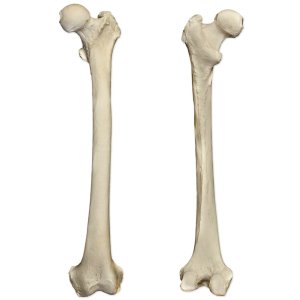
Ὅτι μὲν τὸν κυρτὸν ἡ γαῦσος φωνὴ δηλοῖ πρόδηλον ἐξ αὐτοῦ τοῦ πράγματος. ὁ γὰρ μηρὸς οὐκ ἀκριβῶς ἐστιν εὐθὺς, ἀλλὰ εἴς τε τὸ ἔξω κυρτότερος, ὥσπερ καὶ κατ’ ἐναντία μέρη κοιλότερος. εἴτε δ’ ὀξύνειν χρὴ τοὔνομα τὸ γαυσὸς εἴτε προπερισπᾷν γαῦσος ἄδηλον. οὐ γάρ ἐστιν ἐν ἔθει τῷ τῶν Ἑλλήνων ἡ φωνή. κατὰ τὴν ἀναλογίαν ἔνιοι μὲν προπερισπᾶσθαι κελεύουσιν αὐτὸ παραπλησίως τῷ καῦσος καὶ μαῦρος καὶ γαῦρος, ἔνιοι δὲ ὀξυτονεῖσθαι. δηλονότι πάντα πάθη δηλοῦντα δισύλλαβα τῇ ὀξείᾳ φαίνεται κεχρημένα τάσει, χωλὸς, λορδὸς, στρεβλὸς, κυρτὸς, βλαυσὸς, ῥαιβός. οὐ μόνον δὲ τὰ δισύλλαβα, ἀλλὰ καὶ σχεδὸν ἅπαντα τὰ κατὰ πάθη λεγόμενα, ἀρθριτικὸς, πλευριτικὸς, ἡπατικός. ὁποτέρως οὖν τις θέλει φθέγγεσθαι συγχωρεῖ κἂν ποτέ σοι καὶ τὴν ὀξεῖαν τάσιν εἰπόντι γαυσός. ἐπὶ τοῦτο γὰρ μόνον ἐπειράθην ῥεπόντων τῶν ἀναγινωσκόντων τὸ βιβλίον, ἄν τ’ εἴπῃ τις  ξιῶν προπερισπᾷν, ὡς ἂν ἐκεῖνος ἐθελήσῃ καὶ σὺ φθέγγου, καὶ πάλιν ἂν ἑτέρῳ συντύχῃς ὀξυτονεῖν ἐθέλοντι, καὶ αὐτὸς οὕτως πρᾶττε καταφρονῶν καὶ τόνων καὶ ὀνομάτων, ὡς οὔτε πρὸς φιλοσοφίαν συντελούντων, πολύ γε μᾶλλον οὔτε πρὸς γεωμετρίαν ἢ  ριθμητικὴν ἢ μουσικὴν ἢ ἀστρονομικὴν, ὥστε εἰ μηδεμία τέχνη δέεται πρὸς τὸ ἑαυτῆς τέλος τῆς τῶν ἐπιτρίπτων τούτων ὀνομάτων μακρολογίας, οὐ μόνον οὐ χρὴ προσίεσθαι τὸ ἐπιτήδευμα τῶν ἀνδρῶν, ἀλλὰ καὶ καταγελᾷν ὡς μάλιστα.
(Galen, In Hippocratis de fracturis librum commentarius secundus 18.2.517-519)

That the word γαῦσος means ‘curved’ is made very clear by the thing itself, for the thigh bone is not totally straight, but rather curved on the outside, as it is hollow on the opposite side. Whether the word is to be pronounced γαυσός, with an acute accent on the last syllable, or γαῦσος, is unclear, because the word isn’t used often in the Greek language. For reasons of analogy some say it should have a circumflex on the penultimate syllable like καῦσος, μαῦρος and γαῦρος, but others say it should be an acute accent on the last syllable since it is clear that all two syllable words for bodily symptoms have an acute pitch: χωλός, λορδός, στρεβλός, κυρτός, βλαυσός, ῥαιβός; and not only the two syllable words, but almost all terms for symptoms, such as ἀρθριτικός, πλευριτικός, ἡπατικός. Defer to whichever way somebody wants to pronounce the word. If you say γαυσός with acute pitch (for this is the only pronunciation I’ve actually seen people who read the book incline to), and someone speaks up and they think it right to pronounce it γαῦσος (as a perispomenon), then just pronounce the word the way they prefer. Then if again you come across someone else who wants to pronounce it γαυσός, do you do likewise and think nothing of word-accentuation, since it contributes nothing to philosophy and still less to geometry, arithmetic, music or astronomy. Since there is no practical craft which requires for its goal a drawn-out discussion of these damn words, one must not only not buy into people’s concern with such things, but ridicule it as much as possible. (tr. Alex Foreman, revised and expanded by David Bauwens)

Myia

myia

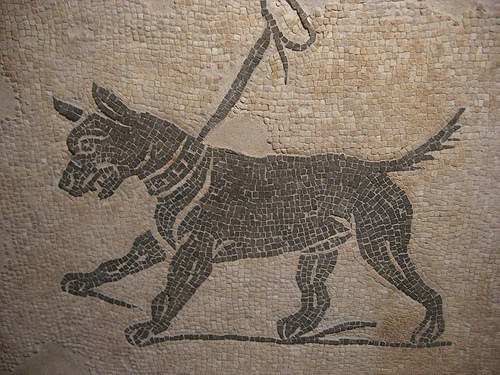
Quam dulcis fuit ista, quam benigna,
quae cum viveret in sinu iacebat
somni conscia semper et cubilis.
o factum male, Myia, quod peristi!
latrares modo si quis adcubaret
rivalis dominae licentiosa.
o factum male, Myia, quod peristi!
altum iam tenet insciam sepulcrum,
nec saevire potes nec insilire,
nec blandis mihi morsibus renides.
(CIL XIII.488)

How sweet and friendly she was! While she was alive she used to lie in the lap, always sharing sleep and bed. What a shame, Midge, that you have died! You would only bark if some rival took the liberty of lying up against your mistress. What a shame, Midge, that you have died! The depths of the grave now hold you and you know nothing about it. You cannot go wild nor jump on me, and you do not bare your teeth at me with bites that do not hurt. (tr. Edward Courtney)

Pugmaioi

9b5595feec9844de4c96884fe6ab6cb1
Gond tribe, India

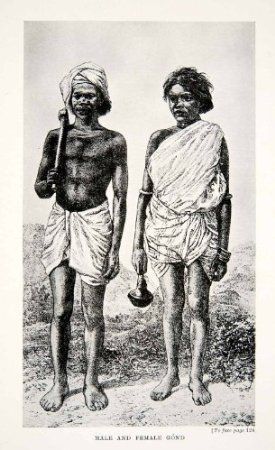
Ὅτι μέσῃ τῇ Ἰνδικῇ ἄνθρωποί εἰσι μέλανες (καλοῦνται Πυγμαῖοι) ὁμόγλωσσοι τοῖς ἄλλοις Ἰνδοῖς. μικροὶ δέ εἰσι λίαν· οἱ μακρότατοι αὐτῶν πηχέων δύο, οἱ δὲ πλεῖστοι, ἑνὸς ἡμίσεος πήχεος. κόμην δὲ ἔχουσι μακροτάτην μέχρις ἐπὶ τὰ γόνατα καὶ ἔτι κατώτερον, καὶ πώγωνα μέγιστον πάντων ἀνθρώπων. ἐπειδὰν οὖν τὸν πώγονα μέγα φύσωσιν, οὐκέτι ἀμφιέννυνται οὐδὲν ἱμάτιον, ἀλλὰ τὰς τρίχας, τὰς μὲν ἐκ τῆς κεφαλῆς ὄπισθεν καθίενται πολὺ κάτω τῶν γονάτων, τὰς δὲ ἐκ τοῦ πώγωνος ἔμπροσθεν μέχρι ποδῶν ἑλκομένας, ἔπειτα περιπυκασάμενοι τὰς τρίχας περὶ ἅπαν τὸ σῶμα, ζώννυνται χρώμενοι αὐταῖς ἀντὶ ἱματίου. αἰδοῖον δὲ μέγα ἔχουσιν ὥστε ψαύειν τῶν σφυρῶν αὐτῶν, καὶ παχύ. αὐτοὶ δὲ σιμοί τε καὶ αἰσχροί. τὰ δὲ πρόβατα αὐτῶν ὡς ἄρνες, καὶ οἱ ὄνοι καὶ αἱ βόες σχεδὸν ὅσον κριοί. καὶ οἱ ἵπποι αὐτῶν καὶ ἡμίονοι καὶ τὰ ἄλλα κτήνη πάντα οὐδὲν μείζω κριῶν. ἕπονται δὲ τῷ βασιλεῖ τῶν Ἰνδῶν τούτων τῶν Πυγμαίων ἄνδρες τρισχίλιοι· σφόδρα γάρ εἰσι τοξόται. δικαιότατοι δέ εἰσι καὶ νόμοισι χρῶνται ὥσπερ καὶ οἱ Ἰνδοί. λαγοὺς δὲ καὶ ἀλώπεκας θηρεύουσιν οὐ τοῖς κυσὶν ἀλλὰ κόραξι καὶ ἰκτίσι καὶ κορώναις καὶ ἀετοῖς.
(Ctesias, Ind. fr. 45.21-24)

In the middle of India live black men called Pygmies who speak the same language as the rest of the Indians. They are very small; the tallest is two cubits while most are one and a half cubits in height. They have very long hair that reaches their knees and even lower and their beards are the longest of any man. Since they grow such a long beard, they wear no clothes at all but comb the hair from their head down their back well below their knees and pull their beards down the front to their feet and then gird the hair around their entire body using it in place of clothing. Their penises are so large that they reach their ankles and are thick too, while they themselves are snub-nosed and ugly. Their sheep are like lambs, their asses and oxen are nearly the size of rams, and their horses, mules, and all other livestock are no larger than rams. Three thousand of those Pygmies accompany the king of the Indians, for they are excellent bowmen. They are very just and follow the same laws as the Indians. They hunt hare and fox not with dogs, but with ravens, kites, crows, and eagles. (tr. Andrew Nichols)

Victus

Cena

Accipe nunc, victus tenuis quae quantaque secum
adferat. in primis valeas bene; nam variae res
ut noceant homini credas, memor illius escae,
quae simplex olim tibi sederit: at simul assis
miscueris elixa, simul conchylia turdis,
dulcia se in bilem vertent stomachoque tumultum
lenta feret pituita. vides, ut pallidus omnis
cena desurgat dubia? quin corpus onustum
hesternis vitiis animum quoque praegravat una
atque adfigit humo divinae particulam aurae.
alter ubi dicto citius curata sopori
membra dedit, vegetus praescripta ad munia surgit.
hic tamen ad melius poterit transcurrere quondam,
sive diem festum rediens advexerit annus,
seu recreare volet tenuatum corpus, ubique
accedent anni, tractari mollius aetas
imbecilla volet: tibi quidnam accedet ad istam
quam puer et validus praesumis mollitiem, seu
dura valetudo inciderit seu tarda senectus?
(Horace, Serm. 2.2.70-88)

Now listen to how simple eating brings
us all so many and such wondrous things!
First is good health because it’s manifest—
as you recall plain fare you could digest—
that it’s quite dangerous when foods collide.
Whenever you combine the boiled with fried,
or shellfish with a thrush, the sweet will turn
to bile, and clogging phlegm makes stomachs churn.
Don’t people at a ‘dinner served with doubt’
appear quite pale as they are coming out?
Moreover, overkill of yesterday
that drags a body down will also weigh
upon a soul and bury what’s divine
within the ground. If someone can combine
nursing his limbs and falling off to sleep
without delay, he’ll rise alert and keep
up with his obligations, even though
occasionally he may try to go
for something better if the passing year
brings feasting, or his wasting’s so severe
that he intends to fix his malnutrition,
or, as time flies by, his frail condition
in old age requires gentler care.
But as for you, if you are forced to bear
enfeeblement from aging and disease,
how will you bolster your infirmities
once you have blown your youthful, healthy days?
(tr. A.M. Juster)