Amempton

Ἔτι δὲ μᾶλλον ἠδόξησε Τάχῳ τῳ Αἰγυπτίῳ στρατηγὸν ἐπιδοὺς ἑαυτόν. οὐ γὰρ ἠξίουν ἄνδρα τῆς Ἑλλάδος ἄριστον κεκριμένον καὶ δόξης ἐμπεπληκότα τὴν οἰκουμένην, ἀποστάτῃ βασιλέως, ἀνθρώπῳ βαρβάρῳ, χρῆσαι τὸ σῶμα καὶ τοὔνομα καὶ τὴν δόξαν ἀποδόσθαι χρημάτων, ἔργα μισθοφόρου καὶ ξεναγοῦ διαπραττόμενον. κεἰ γὰρ ὑπὲρ ὀγδοήκοντα γεγονὼς ἔτη καὶ πᾶν ὑπὸ τραυμάτων τὸ σῶμα κατακεκομμένος ἐκείνην αὖθις ἀνεδέξατο τὴν καλὴν καὶ περίβλεπτον ἡγεμονίαν ὑπὲρ τῆς τῶν Ἑλλήνων ἐλευθερίας, οὐ πάμπαν ἄμεμπτον εἶναι τὴν φιλοτιμίαν· τοῦ γὰρ καλοῦ καιρὸν οἰκεῖον εἶναι καὶ ὥραν, μᾶλλον δὲ ὅλως τὰ καλὰ τῶν αἰσχρῶν τῷ μετρίῳ διαφέρειν.
(Plutarch, Bios Agesilaou 36.1-2)

He* lost still more reputation by offering to take a command under Tachos the Egyptian. For it was thought unworthy that man who had been judged noblest and best in Hellas, and who had filled the world with his fame, should furnish a rebel against the Great King, a mere Barbarian, with his person, his name, and his fame, and take money for him, rendering the service of a hired captain of mercenaries. For even if, now that he was past eighty years of age and his whole body was disfigured with wounds, he had taken up again his noble and conspicuous leadership in behalf of the freedom of the Hellenes, his ambition would not have been altogether blameless, as men thought. For honourable action has its fitting time and season; nay, rather, it is the observance of due bounds that constitutes an utter difference between honourable and base actions.

* Agesilaus II of Sparta

(tr. Bernadotte Perrin)

Kēruttō

92818945

Ἐρωτηθεὶς δὲ πότερον Ἀχιλλεύς ἐβούλετ’ ἂν ἢ Ὅμηρος εἶναι, “σὺ δ’ αὐτός,” ἔφη, “πότερον ἤθελες ὁ νικῶν Ὀλυμπίασιν ἢ ὁ κηρύττων τοὺς νικῶντας εἶναι;”
(Plutarch, Apophthegmata Basileōn kai Stratēgōn 185a)

Being asked whether he would rather have been Achilles or Homer, he said, “How about you yourself? Would you rather be the victor at the Olympic games or the announcer of the victor?” (tr. Frank Cole Babbitt)

Periemenon

fhd004alr_colin_farrell_023

Ἀχθείσης δὲ παιδίσκης πρὸς αὐτὸν* ὡς συναναπαυσομένης περὶ ἑσπέραν βαθεῖαν, ἠρώτησεν ὅ τι τηνικαῦτα; τῆς δὲ εἰπούσης, “περιέμενον γὰρ τὸν ἄνδρα κατακλῖναι,” πικρῶς ἐπετίμησε τοῖς παισὶν ὡς μικροῦ δι’ αὐτοὺς μοιχὸς γενόμενος.

* sc. Ἀλέξανδρον

(Plutarch, Apophthegmata Basileōn kai Stratēgōn 179e)

A girl was brought to him late in the evening with the intent that she should spend the night with him, and he asked her, “Why at this time?” She replied, “I had to wait to get my husband to go to bed”; whereupon Alexander bitterly rebuked his servants, since, owing to them, he had so narrowly escaped becoming an adulterer. (tr. Frank Cole Babbitt)

Paideia

Ἡ παιδεία, κἂν μηδὲν ἕτερον ἀγαθὸν ἔχῃ, τό γε συμφοιτᾶν δι’ αὐτὴν νυκτὸς καὶ ἡμέρας ἔξω κακίας, οἷς ἂν ᾖ τις αἰδώς· καὶ πολλοὶ σφᾶς αὐτοὺς καὶ ἄλλους.
(Plutarch, fr. 159)

Even if education has no other merits, attending school at least keeps pupils who have any sense of decency away from wrongdoing, whether by day or by night. (tr. James C. McKeown)

Chleuazomenos

7b10b3149390b4bb4e3a58f0b289faf2

Ὅθεν ὕστερον ἐν ταῖς ἐλευθερίοις καὶ ἀστείαις λεγομέναις διατριβαῖς ὑπὸ τῶν πεπαιδεῦσθαι δοκούντων χλευαζόμενος ἠναγκάζετο φορτικώτερον ἀμύνεσθαι, λέγων, ὅτι λύραν μὲν ἁρμόσασθαι καὶ μεταχειρίσασθαι ψαλτήριον οὐκ ἐπίσταται, πόλιν δὲ μικρὰν καὶ ἄδοξον παραλαβὼν ἔνδοξον καὶ μεγάλην ἀπεργάσασθαι.
(Plutarch, Bios Themistokleous 2.3)

Thus it came about that, in after life, at entertainments of a so-called liberal and polite nature, when he* was taunted by men of reputed culture, he was forced to defend himself rather rudely, saying that tuning the lyre and handling the harp were no accomplishments of his, but rather taking in hand a city that was small and inglorious and making it glorious and great.

* Themistocles

(tr. Bernadotte Perrin)

Koilainousi

hole-stone-1

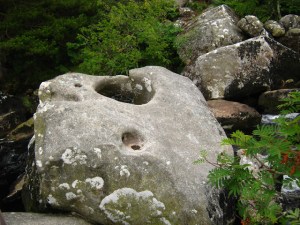
Καταμάθοις δ’ ἂν ὡς ἀνύσιμον πρᾶγμα καὶ τελεσιουργὸν ἐπιμέλεια καὶ πόνος ἐστίν, ἐπὶ πολλὰ τῶν γιγνομένων ἐπιβλέψας. σταγόνες μὲν γὰρ ὕδατος πέτρας κοιλαίνουσι, σίδηρος δὲ καὶ χαλκὸς ταῖς ἐπαφαῖς τῶν χειρῶν ἐκτρίβονται, οἱ δ’ ἁρμάτειοι τροχοὶ πόνῳ καμφθέντες οὐδ’ ἂν εἴ τι γένοιτο τὴν ἐξ ἀρχῆς δύναιντ’ ἀναλαβεῖν εὐθυωρίαν· τάς γε μὴν καμπύλας τῶν ὑποκριτῶν βακτηρίας ἀπευθύνειν ἀμήχανον, ἀλλὰ τὸ παρὰ φύσιν τῷ πόνῳ τοῦ κατὰ φύσιν ἐγένετο κρεῖττον.
(Plutarch, Peri Paidōn Agōgēs 2d)

One may understand how effective and how productive a thing is application and hard work, if he only direct his attention to many effects that are daily observed. For drops of water make hollows in rocks, steel and bronze are worn away by the touch of hands, and rims of chariot-wheels once bent by dint of labour, cannot, no matter what be done, recover their original lines. The bent staves which actors use it is impossible to straighten; indeed the unnatural shape has, through labour, come to predominate over the natural. (tr. Frank Cole Babbitt)

Kalos

062ce2c762fb3778667f605a84285c31

Τὰ μὲν οὖν ἄλλα σαφῶς ἀπαγγέλλειν οὐ πρέπει διὰ τὴν πόλιν, τὴν δὲ Δημοκλέους ἀρετὴν καὶ σωφροσύνην ἄξιόν ἐστι μὴ παρελθεῖν. ἐκεῖνος γὰρ ἦν ἔτι παῖς ἄνηβος, οὐκ ἔλαθε δὲ τὸν Δημήτριον ἔχων τῆς εὐμορφίας τὴν ἐπωνυμίαν κατήγορον· ἐκαλεῖτο γὰρ Δημοκλῆς ὁ καλός. ὡς δὲ πολλὰ πειρώντων καὶ διδόντων καὶ φοβούντων ὑπ’ οὐδενὸς ἡλίσκετο, τέλος δὲ φεύγων τὰς παλαίστρας καὶ τὸ γυμνάσιον εἴς τι βαλανεῖον ἰδιωτικὸν ἐφοίτα λουσόμενος, ἐπιτηρήσας τὸν καιρὸν ὁ Δημήτριος ἐπεισῆλθεν αὐτῷ μόνῳ. καὶ ὁ παῖς, ὡς συνεῖδε τὴν περὶ αὑτὸν ἐρημίαν καὶ τὴν ἀνάγκην, ἀφελὼν τὸ πῶμα τοῦ χαλκώματος εἰς ζέον ὕδωρ ἐνήλατο καὶ διέφθειρεν αὑτόν, ἀνάξια μὲν παθών, ἄξια δὲ τῆς πατρίδος καὶ τοῦ κάλλους φρονήσας…
(Plutarch, Bios Dēmētriou 24.2-3)

Now, to give all the particulars plainly would disgrace the fair fame of the city, but I may not pass over the modesty and virtue of Democles. He was still a young boy, and it did not escape the notice of Demetrius that he had a surname which indicated his comeliness; for he was called Democles the Beautiful. But he yielded to none of the many who sought to win him by prayers or gifts or threats, and finally, shunning the palaestras and the gymnasium, used to go for his bath to a private bathing-room. Here Demetrius, who had watched his opportunity, came upon him when he was alone. And the boy, when he saw that he was quite alone and in dire straits, took off the lid of the cauldron and jumped into the boiling water, thus destroying himself, and suffering a fate that was unworthy of him, but showing a spirit that was worthy of his country and of his beauty. (tr. Bernadotte Perrin)

Duskinētoi

drinking-man

Ἐζητεῖτο περὶ τῶν γερόντων, διὰ τί μᾶλλον ἀκρατοτέρῳ τῷ ποτῷ χαίρουσιν. οἱ μὲν οὖν κατεψυγμένην τὴν ἕξιν αὐτῶν καὶ δυσεκθέρμαντον οὖσαν οἰόμενοι διὰ τοῦτο τῇ σφοδρότητι τῆς κράσεως ἐναρμόττειν ἐφαίνοντο κοινόν τι καὶ πρόχειρον οὐχ ἱκανὸν δὲ πρὸς τὴν αἰτίαν οὐδ’ ἀληθὲς λέγοντες· καὶ γὰρ ἐπὶ τῶν ἄλλων αἰσθήσεων τὸ αὐτὸ συμβέβηκεν· δυσκίνητοι γάρ εἰσι καὶ δυσμετάβλητοι πρὸς τὰς ἀντιλήψεις τῶν ποιοτήτων, ἂν μὴ κατάκοροι καὶ σφοδραὶ προσπέσωσιν.
(Plutarch, Sumposiaka 625a)

Under discussion was the question why old men are very fond of drink that is rather strong. Some thought the constitution of old men, being chill and hard to warm, was on this account compatible with a strong mixture of wine and water; obviously their argument was platitudinous and facile, and neither an adequate nor an accurate analysis of the causation. For the same thing occurs in regard to an old man’s perception of other stimuli; in apprehending sensations he is hard to stir and hard to rouse, unless they strike him with excessive strength. (tr. Paul A. Clement & Herbert H. Hoffleit)

Penētōn

220px-Tiberius_Gracchus
Tiberius Gracchus

Ἀλλ᾽ οὐδὲν ἐπέραινον· ὁ γὰρ Τιβέριος πρὸς καλὴν ὑπόθεσιν καὶ δικαίαν ἀγωνιζόμενος λόγῳ καὶ φαυλότερα κοσμῆσαι δυναμένῳ πράγματα δεινὸς ἦν καὶ ἄμαχος, ὁπότε τοῦ δήμου τῷ βήματι περικεχυμένου καταστὰς λέγοι περὶ τῶν πενήτων, ὡς τὰ μὲν θηρία τὰ τὴν Ἰταλίαν νεμόμενα καὶ φωλεὸν ἔχει καὶ κοιταῖόν ἐστιν αὐτῶν ἑκάστῳ καὶ καταδύσεις, τοῖς δὲ ὑπὲρ τῆς Ἰταλίας μαχομένοις καὶ ἀποθνήσκουσιν ἀέρος καὶ φωτός, ἄλλου δὲ οὐδενὸς μέτεστιν, ἀλλ᾽ ἄοικοι καὶ ἀνίδρυτοι μετὰ τέκνων πλανῶνται καὶ γυναικῶν, οἱ δὲ αὐτοκράτορες ψεύδονται τοὺς στρατιώτας ἐν ταῖς μάχαις παρακαλοῦντες ὑπὲρ τάφων καὶ ἱερῶν ἀμύνεσθαι τοὺς πολεμίους· οὐδενὶ γάρ ἐστιν οὐ βωμὸς πατρῷος, οὐκ ἠρίον προγονικὸν τῶν τοσούτων Ῥωμαίων, ἀλλ᾽ ὑπὲρ ἀλλοτρίας τρυφῆς καὶ πλούτου πολεμοῦσι καὶ ἀποθνήσκουσι, κύριοι τῆς οἰκουμένης εἶναι λεγόμενοι, μίαν δὲ βῶλον ἰδίαν οὐκ ἔχοντες.
(Plutarchus, Bios Tiberiou kai Gaiou Gragchōn 9.4-5)

But they accomplished nothing; for Tiberius, striving to support a measure which was honourable and just with an eloquence that would have adorned even a meaner cause, was formidable and invincible, whenever, with the people crowding around the rostra, he took his stand there and pleaded for the poor. “The wild beasts that roam over Italy,” he would say, “have every one of them a cave or lair to lurk in; but the men who fight and die for Italy enjoy the common air and light, indeed, but nothing else; houseless and homeless they wander about with their wives and children. And it is with lying lips that their imperators exhort the soldiers in their battles to defend sepulchres and shrines from the enemy; for not a man of them has an hereditary altar, not one of all these many Romans an ancestral tomb, but they fight and die to support others in wealth and luxury, and though they are styled masters of the world, they have not a single clod of earth that is their own.” (tr. Bernadotte Perrin)

Enaliōn

Seafood-5

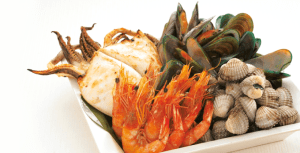
“Ὀρθῶς,” ἔφη, “λέγεις,” ὁ Λαμπρίας, “ἀλλ᾽ ἔτι τῷ λόγῳ προσφιλοσοφήσωμεν. ὁ γὰρ ἐμὸς πάππος εἰώθει λέγειν ἑκάστοτε τοὺς Ἰουδαίους ἐπισκώπτων, ὅτι τὸ δικαιότατον κρέας οὐκ ἐσθίουσιν· ἡμεῖς δὲ φήσομεν δικαιότατον ὄψον εἶναι τὸ ἐκ θαλάττης. πρὸς μὲν γὰρ ταυτὶ τὰ χερσαῖα κἂν ἄλλο μηδὲν ἡμῖν ᾖ δίκαιον, ἀλλὰ τρέφεταί γε τοῖς αὐτοῖς καὶ λαμβάνει τὸν αὐτὸν ἀέρα, καὶ λουτρὰ καὶ ποτὸν αὐτοῖς ἅπερ ἡμῖν ἔστιν· ᾗ καὶ σφάττοντες ἐδυσωποῦντο φωνὴν ἀφιέντα γοερὰν καὶ τὰ πλεῖστα πεποιημένοι συνήθη καὶ σύντροφα ταῖς διαίταις. τὸ δὲ τῶν ἐναλίων γένος ἔκφυλον ὅλως καὶ ἄποικον ἡμῶν, ὥσπερ ἐν ἄλλῳ τινὶ κόσμῳ γεγονότων καὶ ζώντων, οὔτ’ ὄψις οὔτε φωνή τις οὔθ’ ὑπουργία παραιτεῖται τῆς προσφορᾶς (οὐδὲν γὰρ αὐτοῖς ἔχει χρήσασθαι ζῷον, ὃ μηδ’ ὅλως ζῇ παρ᾽ ἡμῖν), οὐδὲ δεῖ τινος ἐπ᾽ αὐτὰ στοργῆς, ἀλλ᾽ ὥσπερ Ἅιδης αὐτοῖς ἐστιν οὗτος ὁ παρ’ ἡμῖν τόπος· ἐλθόντα γὰρ εἰς αὐτὸν εὐθέως τέθνηκεν.”
(Plutarch, Sumposiaka 669d-e)

“You are right,” said Lamprias, “but let us add a little to our speculations. My grandfather used to say on every occasion, in derision of the Jews, that what they abstained from was precisely the most legitimate meat. But we shall say that of all delicacies the most legitimate kind is that from the sea. As far as the land animals whose meat is here before us are concerned, we must admit at least this if nothing else, that they consume the same food and breathe the same air as we do, and drink and bathe in water no different from ours. This has in times past made men ashamed when they butchered them in spite of their pitiful cries and in spite of having made companions of most of them and shared their store of food with them. Sea animals, on the other hand, are a species entirely alien and remote from us, as if they had sprung up and were living in some different world. Neither look nor voice nor service rendered pleads with us not to eat them, for no animal can employ these pleas that has no life at all among us; nor need we feel any affection for them. Our world is equivalent to Hades for them, since to come here is instant death.” (tr. Paul A. Clement & Herbert B. Hoffleit)