Hestiasin

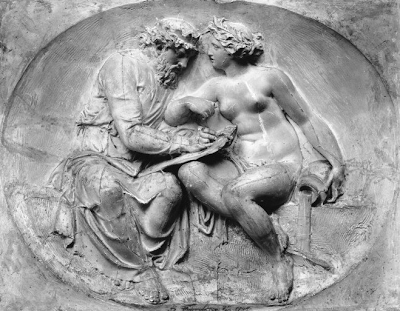
numa-and-egeria-bas-relief
Bertel Thorvaldsen, Numa Pompilius og Egeria

Τοῦτον τὸν ἄνδρα Ῥωμαῖοί φασι στρατείαν μηδεμίαν ποιήσασθαι, θεοσεβῆ δὲ καὶ δίκαιον γενόμενον ἐν εἰρήνῃ πάντα τὸν τῆς ἀρχῆς χρόνον διατελέσαι καὶ τὴν πόλιν ἄριστα πολιτευομένην παρασχεῖν, λόγους τε ὑπὲρ αὐτοῦ πολλοὺς καὶ θαυμαστοὺς λέγουσιν ἀναφέροντες τὴν ἀνθρωπίνην σοφίαν εἰς θεῶν ὑποθήκας. νύμφην γάρ τινα μυθολογοῦσιν Ἠγερίαν φοιτᾶν πρὸς ἀυτὸν ἑκάστοτε διδάσκουσαν τὴν βασιλικὴν σοφίαν, ἕτεροι δὲ οὐ νύμφην, ἀλλὰ τῶν Μουσῶν μίαν. καὶ τοῦτό φασι γενέσθαι πᾶσι φανερόν. ἀπιστούντων γὰρ, ὡς ἔοικε, τῶν ἀνθρώπων κατ’ ἀρχὰς καὶ πεπλάσθαι νομιζόντων τὸν περὶ τῆς θεάς λόγον, βουλόμενον αὐτὸν ἐπιδείξασθαι τοῖς ἀπιστοῦσιν ἐναργές τι μήνυμα τῆς πρὸς τὴν δαίμονα ὁμιλίας διδαχθέντα ὑπ’ αὐτῆς ποιῆσαι τάδε· καλέσαντα Ῥωμαίων πολλοὺς καὶ ἀγαθοὺς εἰς τὴν οἰκίαν, ἐν ᾗ διαιτώμενος ἐτύγχανεν, ἔπειτα δείξαντα τοῖς ἐλθοῦσι τὰ ἔνδον τῇ τε ἄλλῃ κατασκευῇ φαύλως κεχορηγημένα καὶ δὴ καὶ τῶν εἰς ἑστίασιν ὀχλικὴν ἐπιτηδείων ἄπορα, τότε μὲν ἀπαλλάττεσθαι κελεύειν, εἰς ἑσπέραν δὲ καλεῖν αὐτοὺς ἐπὶ τὸ δεῖπνον· παραγενομένοις δὲ κατὰ τὴν ἀποδειχθεῖσαν ὥραν ἐπιδεῖξαι στρωμνάς τε πολυτελεῖς καὶ τραπέζας ἐκπωμάτων γεμούσας πολλῶν καὶ καλῶν ἑστίασίν τε αὐτοῖς παραθεῖναι κατακλιθεῖσιν ἁπάσης ἐδωδῆς, ἣν οὐδ’ ἂν ἐκ πολλοῦ πάνυ χρόνου παρασκευάσασθαί τινι τῶν τότε ἀνθρώπων ῥᾴδιον ἦν. τοῖς δὲ Ῥωμαίοις κατάπληξίν τε πρὸς ἕκαστον τῶν ὁρωμένων ὑπελθεῖν καὶ δόξαν ἐξ ἐκείνου τοῦ χρόνου παραστῆναι βέβαιον, ὅτι θεά τις αὐτῷ συνῆν.
(Dionysius of Halicarnassus, Rhōmaikē Archaiologia 2.60.4-7)

The Romans say that he* undertook no military campaign, but that, being a pious and just man, he passed the whole period of his reign in peace and caused the State to be most excellently governed. They relate also many marvellous stories about him, attributing his human wisdom to the suggestions of the gods. For they fabulously affirm that a certain nymph, Egeria, used to visit him and instruct him on each occasion in the art of reigning, though others say that it was not a nymph, but one of the Muses. And this, they claim, became clear to every one; for, when people were incredulous at first, as may well be supposed, and regarded the story concerning the goddess as an invention, he, in order to give the unbelievers a manifest proof of his converse with this divinity, did as follows, pursuant to her instructions. He invited to the house where he lived a great many of the Romans, all men of worth, and having shown them his apartments, very meanly provided with furniture and particularly lacking in everything that was necessary to entertain a numerous company, he ordered them to depart for the time being, but invited them to dinner in the evening. And when they came at the appointed hour, he showed them rich couches and tables laden with a multitude of beautiful cups, and when they were at table, he set before them a banquet consisting of all sorts of viands, such a banquet, indeed, as it would not have been easy for any man in those days to have prepared in a long time. The Romans were astonished at everything they saw, and from that time they entertained a firm belief that some goddess held converse with him.

* Numa Pompilius.

(tr. Earnest Cary)
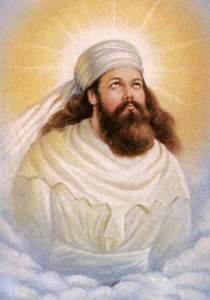
Zoroastres

zartosht

Magiam opinionum insignium auctor amplissimus Plato hagistiam esse verbo mystico docet, divinorum incorruptissimum cultum, cuius scientiae saeculis priscis multa ex Chaldaeorum arcanis Bactrianus addidit Zoroastres, deinde Hystaspes rex prudentissimus Darei pater. qui cum superioris Indiae secreta fidentius penetraret, ad nemorosam quandam venerat solitudinem, cuius tranquillis silentiis praecelsa Brachmanorum ingenia potiuntur, eorumque monitu rationes mundani motus et siderum, purosque sacrorum ritus (quantum colligere potuit) eruditus, ex his, quae didicit, aliqua sensibus magorum infudit, quae illi cum disciplinis praesentiendi futura, per suam quisque progeniem, posteris aetatibus tradunt.
(Ammianus Marcellinus, Res Gestae 23.6.32-33)

According to Plato, the most eminent author of lofty ideas, magic, under the mystic name of hagistia, is the purest worship of the gods. To the science of this, derived from the secret lore of the Chaldaeans, in ages long past the Bactrian Zoroaster made many contributions, and after him the wise king Hystaspes, the father of Darius. When Zoroaster had boldly made his way into the unknown regions of Upper India, he reached a wooded wilderness, whose calm silence the lofty intellects of the Brahmins control. From their teaching he learned as much as he could grasp of the laws regulating the movements of the earth and the stars, and of the pure sacrificial rites. Of what he had learned he communicated something to the understanding of the Magi, which they, along with the art of divining the future, hand on from generation to generation to later times. (tr. John C. Rolfe)

Arthritis

arthritis

Κἀκεῖνα δὲ μνήμης ἄξια διηγεῖτο ὑπὸ συμπαθείας οὐκ ἄνευ δακρύων. ἐδεδίει γὰρ ἀκμαζούσης αὐτῷ τῆς ἡλικίας, μήποτε ἡ τοῦ πατρὸς ἀρθρῖτις νόσος, ἅτε φιλοῦσα καὶ εἰωθυῖα δὲ τὰ πολλὰ εἰς παῖδας ἐκ πατέρων χωρεῖν, οὕτω καὶ ἐπ’ αὐτὸν ἔλθοι· καὶ οὐκ ἀδεές, οἶμαι, ἐδεδίει. ἤδη γὰρ ἦν πρὸ τοῦ, ὅπερ καὶ ἔδει πρότερον ἱστορῆσαι, ἀλγηδόνος· τοιαύτης αἰσθόμενος, ἡνίκα δὴ καὶ ἄλλο παράδοξον ἐγεγόνει περὶ αὐτόν. συμβουλευθεὶς γὰρ παρὰ τινῶν ἐπέθηκε τὸ λεγόμενον πτυγμάτιον τῷ ἀλγοῦντι ποδὶ, καὶ κειμένου αὐτοῦ ἐπὶ τῆς κλίνης, στρουθὸς ἐξαίφνης καταπτὰς ὑφήρπασε τὸ πτυγμάτιον. ἦν μὲν οὖν καὶ ὁ σύμβολος θεῖος καὶ ὄντως παιώνειος ἱκανός τε θάρρος ἐμποιῆσαι περὶ τοῦ μέλλοντος· ὁ δὲ ὥσπερ ἔφην, καὶ ἐς ὕστερον οὐδὲν ἧττον φόβῳ τῆς νόσου κατείχετο. ἱκετεύσας δὴ τὸν θεὸν περὶ τούτου καὶ δεηθεὶς φῆναί τι αὐτῷ σαφές, καθευδήσας εἶδε (τολμηρὸν μὲν καὶ ἐνθυμηθῆναι, τολμητέον δ’ οὖν ὅμως καὶ οὐκ ἀποδειλιατέον τὸ ἀληθὲς εἰς φῶς ἀγαγεῖν) εἶδε δέ, ὡς ἐδόκει, ἥκοντά τινα ἐξ Ἐπιδαύρου καὶ ἐπικύψαντα εἰς τὰ σκέλη, καὶ οὐδὲ τὰ γόνατα διὰ φιλανθρωπίαν ἀπαρνησάμενον φιλεῖν. διετέλεσεν οὖν τὸ ἐντεῦθεν πάντα τὸν βίον περὶ τούτου θαρρῶν, καὶ εἰς γῆρας ἀφίκετο βαθὺ μηδενὸς ἔτι πάθους τοιούτου ἐπαισθανόμενος.
(Marinus, Procl. 31)

And when he recalled these memorable events, it was not without sympathetic tears. For he feared, as his age increased, that the arthritic illness of his father, which for the most part is apt and likely to pass to children from their fathers, should in this way come to him also. And his fears were not, I think, in vain. For even before this, as I had to recount above, he was conscious of an ailment of this kind – on which occasion, indeed, another wonderful thing happened to him. For on the advice of certain people, he applied to his ailing foot the so-called liniment, and as he was lying on his bed a bird swooped down suddenly and snatched away the liniment. This was therefore a divine symbol and truly Paeonian, sufficient to give him confidence in the future. And yet, as I have said, he was none the less preoccupied by fear of the illness at a later time. So he supplicated the god about this, entreating him to give some clear message, and in his sleep he saw – for bold though it is even to think of this, one must nevertheless be bold to bring the truth to light without shrinking – he saw, as it seemed, someone coming from Epidaurus and leaning over his leg. So humane was he that he did not even refuse to kiss the knees. From this time on, therefore, as he went through the rest of his life he was confident about this, and reached a great old age with no further experience of such suffering. (tr. Mark Edwards)

Eloueto

7407a331a7c70fcf557b9057d45d1de9
Theodoros Rallis

Παρθένος ἀργυρόπεζος ἐλούετο, χρύσεα μαζῶν
χρωτὶ γαλακτοπαγεῖ μῆλα διαινομένη·
πυγαὶ δ’ ἀλλήλαις περιηγέες εἱλίσσοντο,
ὕδατος ὑγροτέρῳ χρωτὶ σαλευόμεναι·
τὸν δ’ ὑπεροιδαίνοντα κατέσκεπε πεπταμένη χεὶρ
οὐχ ὅλον Εὐρώταν, ἀλλ’ ὅσον ἠδύνατο.
(Rufinus, Anth. Gr. 5.60)

A silver-footed maiden was bathing, letting the water fall on the golden apples of her breasts, with flesh like curdled milk. Her rounded buttocks, their flesh more fluid than water, gyrated back and forth. Her outspread hand covered the swelling Eurotas – not all of it, but as much as it could. (tr. William Roger Paton, revised by Michael A. Tueller)

Ludunt

distruption

Indoctus teneram suscepit cauculo pubem,
quam cogat primas discere litterulas.
sed cum discipulos nullo terrore coercet
et ferulis culpas tollere cessat iners,
proiectis pueri tabulis Floralia ludunt.
iam nomen ludi rite magister habet.
(Anth. Lat. 85 S-B)

An untrained teacher took on boys of tender age to get them to learn their elementary letters. But when he does not discipline his pupils with any terror and ineffectually ceases from eliminating their errors by the cane, the boys throw around their writing tablets and celebrate the Floralia. Now he properly has the name of ‘games teacher’. (tr. Nigel M. Kay)

Diktua

459px-paelinck_-_eros

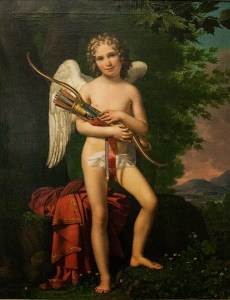
Ἔρος αὖτέ με κυανέοισιν ὑπὸ
βλεφάροις τακέρ’ ὄμμασι δερκόμενος
κηλήμασι παντοδαποῖς ἐς ἄπει-
ρα δίκτυα Κύπριδος ἐσβάλλει·
ἦ μὰν τρομέω νιν ἐπερχόμενον,
ὥστε φερέζυγος ἵππος ἀεθλοφόρος ποτὶ γήρᾳ
ἀέκων σὺν ὄχεσφι θοοῖς ἐς ἅμιλλαν ἔβα.
(Ibycus fr. 287)

Eros once again from beneath dark
eyelids darting me a melting glance
with spells of all sorts casts me
into the inextricable nets of the Cyprian.
How I tremble at his onslaught,
just as the yoke-bearing horse, contest winner,
near old age, unwillingly goes with swift
chariot back into the race.
(tr. Marguerite Johnson & Terry Ryan)

Civilitatis

Civilitatis autem hoc apud eos est nunc summum, quod expedit peregrino fratrem interficere cuiuslibet, quam cum rogatus sit ad convivium excusare: defectum enim patrimonii se opimi perpeti senator existimat, si is defuerit quem aliquotiens libratis sententiis, invitaverit semel. pars eorum si agros visuri processerunt longius, aut alienis laboribus venaturi, Alexandri Magni itinera se putant aequiperasse, vel Caesaris: aut si a lacu Averni lembis invecti sunt pictis Puteolos, velleris certamen, maxime cum id vaporato audeant tempore. ubi si inter aurata flabella laciniis sericis insederint muscae, vel per foramen umbraculi pensilis radiolus irruperit solis, queruntur quod non sunt apud Cimmerios nati.
(Ammianus Marcellinus, Res Gestae 28.4.17-18)

But the height of refinement with these men at present is, that it is better for a stranger to kill any man’s brother than to decline his invitation to dinner. For a senator thinks that he is suffering the loss of a rich property, if the man whom he has, after considerable weighing of pros and cons, invited once, fails to appear at his table. Some of them, if they make a longish journey to visit their estates, or to hunt by the labours of others, think that they have equalled the marches of Alexander the Great or of Caesar; or if they have sailed in their gaily-painted boats from the Lake of Avernus to Puteoli, it is the adventure of the golden fleece, especially if they should dare it in the hot season. And if amid the gilded fans flies have lighted on the silken fringes, or through a rent in the hanging curtain a little ray of sun has broken in, they lament that they were not born in the land of the Cimmerians. (tr. John C. Rolfe)

Gera

prometheus_bound_by_mopeydecker
mopeydecker, Prometheus Bound

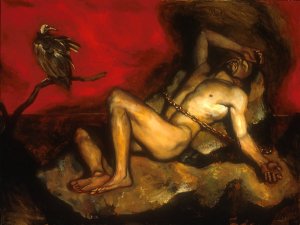
[ΠΡΟΜΗΘΕΥΣ]

Μήτοι χλιδῇ δοκεῖτε μήτ’ αὐθαδίᾳ
σιγᾶν με· συννοίᾳ δὲ δάπτομαι κέαρ
ὁρῶν ἐμαυτὸν ὧδε προυσελόυμενον.
καίτοι θεοῖσι τοῖς νέοις τούτοις γέρα
τίς ἄλλος ἢ ‘γὼ παντελῶς διώρισεν;
ἀλλ’ αὐτὰ σιγῶ· καὶ γὰρ εἰδυίαισιν ἂν
ὑμῖν λέγοιμι. τἀν βροτοῖς δὲ πήματα
ἀκούσαθ’, ὥς σφας νηπίους ὄντας τὸ πρὶν
ἔννους ἔθηκα καὶ φρενῶν ἐπηβόλους.
λέξω δὲ μέμψιν οὔτιν’ ἀνθρώποις ἔχων,
ἀλλ’ ὧν δέδωκ’ εὔνοιαν ἐξηγούμενος·
οἳ πρῶτα μὲν βλέποντες ἔβλεπον μάτην,
κλύοντες οὐκ ἤκουον, ἀλλ’ ὀνειράτων
ἁλίγκιοι μορφαῖσι τὸν μακρὸν βίον
ἔφυρον εἰκῇ πάντα, κοὔτε πλινθυφεῖς
δόμους προσείλους ᾖσαν, οὐ ξυλουργίαν,
κατωρύχες δ’ ἔναιον ὥστ’ ἀήσυροι
μύρμηκες ἄντρων ἐν μυχοῖς ἀνηλίοις.
ἦν δ’ οὐδὲν αὐτοῖς οὔτε χείματος τέκμαρ
οὔτ’ ἀνθεμώδους ἦρος οὔτε καρπίμου
θέρους βέβαιον, ἀλλ’ ἄτερ γνώμης τὸ πᾶν
ἔπρασσον, ἔστε δή σφιν ἀντολὰς ἐγὼ
ἄστρων ἔδειξα τάς τε δυσκρίτους δύσεις.
καὶ μὴν ἀριθμόν, ἔξοχον σοφισμάτων,
ἐξηῦρον αὐτοῖς, γραμμάτων τε συνθέσεις,
μνήμην ἁπάντων, μουσομήτορ’ ἐργάνην·
κἄζευξα πρῶτος ἐν ζυγοῖσι κνώδαλα,
ζεύγλαισι δουλεύοντα σάγμασίν θ’, ὅπως
θνητοῖς μεγίστων διάδοχοι μοχθημάτων
γένοινθ’, ὑφ’ ἅρμα τ’ ἤγαγον φιληνίους
ἵππους, ἄγαλμα τῆς ὑπερπλούτου χλιδῆς.
θαλασσόπλαγκτα δ’ οὔτις ἄλλος ἀντ’ εμοῦ
λινόπτερ’ ηὗρε ναυτίλων ὀχήματα.
τοιαῦτα μηχανήματ’ ἐξευρὼν τάλας
βροτοῖσιν αὐτὸς οὐκ ἔχω σόφισμ’ ὅτῳ
τῆς νῦν παρούσης πημονῆς ἀπαλλαγῶ.
(Aeschylus, Prom. Desm. 436-471)

[PROMETHEUS]

Do not think that my silence is due to vanity or arrogance. No, my heart is eaten up with brooding, when I see myself treated so outrageously. After all, who was it but I that did all the distributing of privileges to these new gods? But I will say no more about that, because I would be telling you what you already know. Instead, listen to the miseries of mortals, how infantile they were before I made them intelligent and possessed of understanding. I shall say this, not because I have any desire to criticize humans, but to demonstrate the goodwill that inspired my gifts to them. In the beginning, though they had eyes and ears they could make nothing of what they saw and heard; like dream-figures they lived a life of utter random confusion all their days. They knew nothing of brick-built, sun-warmed houses, nor of wooden construction; they dwelt underground, like tiny ants, in the sunless recesses of caves. Nor had they any reliable indicator of winter, or of flowery spring, or of fruitful summer; they did everything without planning, until I showed them the hard-to-discern risings and settings of stars. I alone invented for them the art of number, supreme among all techniques, and that of combining letters into written words, the tool that enables all things to be remembered and is mother of the Muses. And I was the first to bring beasts under the yoke as slaves to the yoke-strap and the pack-saddle, so that they might relieve humans of their greatest labours; and I brought horses to love the rein and pull chariots, making them a luxurious ornament for men of great wealth. And it was no one other than me that invented the linen-winged vehicles in which sailors roam the seas. Such contrivances have I invented for mortals, yet, wretched that I am, I have no device by which I can escape from my present sufferings. (tr. Alan H. Sommerstein)

Megalopsuchia

590611giantdwarf

δοκεῖ δὴ μεγαλόψυχος εἶναι ὁ μεγάλων αὑτὸν ἀξιῶν ἄξιος ὤν· ὁ γὰρ μὴ κατ’ ἀξίαν αὐτὸ ποιῶν ἠλίθιος, τῶν δὲ κατ’ ἀρετὴν οὐδεὶς ἠλίθιος οὐδ’ ἀνόητος. μεγαλόψυχος μὲν οὖν ὁ εἰρημένος. ὁ γὰρ μικρῶν ἄξιος καὶ τούτων ἀξιῶν ἑαυτὸν σώφρων, μεγαλόψυχος δ’ οὔ· ἐν μεγέθει γὰρ ἡ μεγαλοψυχία, ὥσπερ καὶ τὸ κάλλος ἐν μεγάλῳ σώματι, οἱ μικροὶ δ’ ἀστεῖοι καὶ σύμμετροι, καλοὶ δ’ οὔ.
(Aristotle, Eth. Nic. 4.3.3-5 = 1123b1-7)

Now a person is thought to be great-souled if he claims much and deserves much; he who claims much without deserving it is foolish, but no one of moral excellence is foolish or senseless. The great-souled man is then as we have descried. He who deserves little and claims little is modest or temperate, but not great-souled, since to be great-souled involves greatness just as handsomeness involves size: small people may be neat and well-made, but not handsome. (tr. Harris Rackham)

Tremiscunt

1386875034

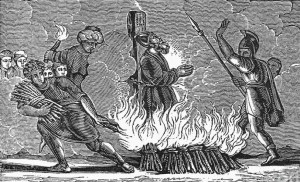
Hic ergo rex durus et iniquus Nero fugatus
pelli iubet populum Christianum ipsa de urbe,
participes autem duo sibi Caesares addit,
cum quibus hunc populum persequatur diro furore.
mittunt et edicta per iudices omnes ubique,
ut genus hoc hominum faciant sine nomine Christi;
praecipiunt quoque simulacris thura ponenda
et, ne quis lateat, omnes coronati procedant.
in histrionica si fidelis ire negavit,
feliciter exit: sin vero, de turba fit unus.
nulla dies pacis tunc erit nec oblatio Christo,
sed cruor ubique manat, quem describere vincor,
vincunt enim lacrimae, deficit manus, corda tremiscunt:
quamquam sit martyribus aptum tot funera ferre;
per mare, per terras, per insulas atque latebras
scrutanturque diu, exsecratas victimas ducunt.
(Commodianus, Carmen Apologeticum 862-877)

Then the hard and wicked monarch Nero, formerly exiled, shall order the Christian populace to be expelled from the city. Two Caesars shall participate with him in this, with whom he shall persecute the Christian populace with dire madness. They shall order the judges to issue edicts throughout the land, so that they can compel Christians to abandon the name of Christ. And in the event that any should be able to evade them, they shall order all to go forth crowned that they should place offerings of incense before idols. If any of the faithful refuse to take part in the spectacle, he shall die a blessed death. But if not, he merely becomes one of the crowd. At that time there shall be no day of peace, nor offering to Christ. Blood shall flow everywhere, which I shrink from describing. Fear shall prevail, hands shall fail, and hearts shall tremble: many shall be the deaths fit to impose upon the martyrs. For a long time shall the despised victims be sought over the sea, over the lands, through the islands, and in their hiding places, before they have been led forth to their deaths. (tr. Darius Matthias Klein)