Siōpēsate

hadrian
Hadrian

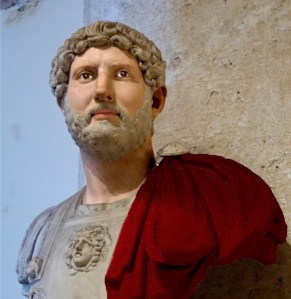
Ἦγε δὲ καὶ τὸν δῆμον τῶν Ῥωμαίων ἐμβριθῶς μᾶλλον ἢ θωπευτικῶς· καί ποτε ἰσχυρῶς αἰτοῦντί τι ἐν ὁπλομαχίᾳ οὔτε ἔνειμε, καὶ προσέτι ἐκέλευσε τοῦτο δὴ τὸ τοῦ Δομιτιανοῦ κηρυχθῆναι “σιωπήσατε”. οὐκ ἐλέχθη μὲν γάρ· ὁ γὰρ κῆρυξ ἀνατείνας τὴν χεῖρα καὶ ἐξ αὐτοῦ τούτου ἡσυχάσας, ὥσπερ εἰώθασι ποιεῖν (οὐ γὰρ ἔστιν ὁπότε ὑπὸ κηρύγματος σιγάζονται), ἐπειδὴ ἐσιώπησαν, ἔφη “τοῦτ’ ἐθέλει”. Καὶ οὐχ ὅτι τινὰ ὀργὴν τῷ κήρυκι ἔσχεν, ἀλλὰ καὶ ἐτίμησεν αὐτὸν ὅτι τὴν δυσχέρειαν τοῦ κελεύσματος οὐκ ἐξέφησεν. ἔφερε γὰρ τὰ τοιαῦτα, καὶ οὐκ ἠγανάκτει εἴ τι καὶ παρὰ γνώμην καὶ πρὸς τῶν τυχόντων ὠφελοῖτο. ἀμέλει γυναικὸς παριόντος αὐτοῦ ὁδῷ τινι δεομένης, τὸ μὲν πρῶτον εἶπεν αὐτῇ ὅτι “οὐ σχολάζω”, ἔπειτα ὡς ἐκείνη ἀνακραγοῦσα ἔφη “καὶ μὴ βασίλευε”, ἐπεστράφη τε καὶ λόγον αὐτῇ ἔδωκεν.
(Cassius Dio, Hist. 69.6)

He led the Roman people rather by dignity than by flattery. Once at a gladiatorial contest, when the crowd was demanding something very urgently, he not only would not grant it but further bade the herald proclaim Domitian’s command, “Silence.” The word was not uttered, however, for the herald raised his hand and by that very gesture quieted the people, as heralds are accustomed to do (for crowds are never silenced by proclamation), and then, when they had become quiet, he said: “That is what he wishes.” And Hadrian was not in the least angry with the herald, but actually honoured him for not uttering the rude order. For he could bear such things, and was not displeased if he received aid either in an unexpected way or from ordinary men. At any rate, once, when a woman made a request of him as he passed by on a journey, he at first said to her, “I haven’t time,” but afterwards, when she cried out, “Cease, then, being emperor,” he turned about and granted her a hearing. (tr. Earnest Cary)

Degeneres

pollen-helps-allergies-2

Actum Romanis fuerat de rebus, et omnis
indiga servitii fervebat litore plebes:
erupere ducis sacro de pectore voces.
‘ergo pari voto gessisti bella, iuventus,
tu quoque pro dominis, et Pompeiana fuisti,
non Romana manus? quod non in regna laboras,
quod tibi, non ducibus, vivis morerisque, quod orbem
adquiris nulli, quod iam tibi vincere tutum est,
bella fugis quaerisque iugum cervice vacanti
et nescis sine rege pati. nunc causa pericli
digna viris. potuit vestro Pompeius abuti
sanguine: nunc patriae iugulos ensesque negatis,
cum prope libertas? unum fortuna reliquit
iam tribus e dominis. pudeat: plus regia Nili
contulit in leges et Parthi militis arcus.
ite, o degeneres, Ptolemaei munus et arma
spernite. quis vestras ulla putet esse nocentes
caede manus? credet faciles sibi terga dedisse,
credet ab Emathiis primos fugisse Philippis.
vadite securi; meruistis iudice vitam
Caesare non armis, non obsidione subacti.
o famuli turpes, domini post fata prioris
itis ad heredem. cur non maiora mereri
quam vitam veniamque libet? rapiatur in undas
infelix coniunx Magni prolesque Metelli,
ducite Pompeios, Ptolemaei vincite munus.
nostra quoque inviso quisquis feret ora tyranno
non parva mercede dabit: sciat ista iuventus
cervicis pretio bene se mea signa secutam.
quin agite et magna meritum cum caede parate:
ignavum scelus est tantum fuga.’ dixit, et omnes
haud aliter medio revocauit ab aequore puppes
quam, simul effetas linquunt examina ceras
atque oblita favi non miscent nexibus alas
sed sibi quaeque volat nec iam degustat amarum
desidiosa thymum, Phrygii sonus increpat aeris,
attonitae posuere fugam studiumque laboris
floriferi repetunt et sparsi mellis amorem:
gaudet in Hyblaeo securus gramine pastor
divitias servasse casae. sic voce Catonis
inculcata viris iusti patientia Martis.
(Lucan, Bell. Civ. 8.253-293)

The cause of Rome was as good as lost, and all the rabble, at a loss for want of a master, swarmed upon the shore. But utterance came with a rush from the sacred breast of Cato: “It seems then, soldiers, that you too fought with the same desire as others, in defence of tyranny—that you were the troops of Pompey, and not of Rome. You no longer suffer in order to set up a tyrant; your life and death belong to yourselves, not to your leaders; there is no one for whom you gain the whole world, and now you may safely conquer for yourselves alone. Yet now you desert the ranks; you miss the yoke when your neck is relieved, and you cannot endure existence without a tyrant. But you have now a quarrel worthy of brave men. Pompey was suffered to make full use of your life-blood : now, when freedom is in sight, do you refuse to fight and die for your country? Out of three masters Fortune has spared but one. Shame on you! The court of Egypt and the bow of the Parthian soldier have done more for the cause of lawful government. Depart, degenerate men, neglectful alike of Ptolemy’s gift and your own weapons. Who would suppose that your hands were ever stained with bloodshed? Caesar will take your word for it that you were quick to turn your backs to him, and first in the flight from Philippi in Thessaly. Go and fear not: if Caesar be your judge, you, who were not subdued by battle or siege, have deserved to have your lives spared. Base slaves! Your former master is dead, and you welcome his heir. Why do you not seek to earn a greater reward than mere life and pardon? Seize the hapless wife of Magnus and daughter of Metellus, and carry her over the sea; lead captive the sons of Pompey; and so outdo the gift of Ptolemy, Also, whoever bears my head to the hated tyrant will receive no small reward for his gift. By the price of my head your troops will learn that they did well to follow my standard. Rouse up therefore, commit a mighty crime, and gain your reward. Mere flight is the crime of cowards.” By this speech he recalled all the ships from mid-sea. Even so, when the swarm deserts the cells that have hatched their young, they forget the comb; their wings are no longer intertwined, but each bee flies independently and plays truant, ceasing to suck the bitter thyme; but, if the sound of Phrygian brass rebukes them, at once in alarm they stop their flight and go back to their task of bearing pollen, and renew their love of scattered honey; the shepherd on the meadow of Hybla is relieved, and rejoices that the wealth of his cottage is safe. Thus by Cato’s words the resolution to endure lawful warfare was impressed upon his men. (tr. James Duff Duff)

Apostatei

Marianne Stokes, Death and the Maiden, ca. 1908
Marianne Stokes, Death and the Maiden (ca. 1908)

Μόνος θεῶν γὰρ Θάνατος οὐ δώρων ἐρᾷ,
οὐδ’ ἄν τι θύων οὐδ’ ἐπισπένδων ἄνοις,
οὐδ’ ἔστι βωμὸς οὐδὲ παιωνίζεται·
μόνου δὲ Πειθὼ δαιμόνων ἀποστατεῖ
(Aeschylus, Niobe, fr. 161)

Alone of the gods, Death desires no gifts; one can gain nothing by making sacrifice or pouring libation to him, nor has he any altar, nor is he addressed in songs of praise; from him, alone among divinities, Persuasion stands aloof. (tr. Alan H. Sommerstein)


Populare

cicero1

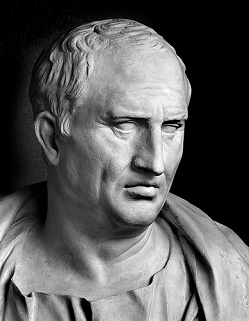
Ego qualem Kalendis Ianuariis acceperim rem publicam, Quirites, intellego, plenam sollicitudinis, plenam timoris; in qua nihil erat mali, nihil adversi quod non boni metuerent, improbi exspectarent; omnia turbulenta consilia contra hunc rei publicae statum et contra vestrum otium partim iniri, partim nobis consulibus designatis inita esse dicebantur; sublata erat de foro fides non ictu aliquo novae calamitatis, sed suspicione ac perturbatione iudiciorum, infirmatione rerum iudicatarum; novae dominationes, extraordinaria non imperia, sed regna quaeri putabantur. quae cum ego non solum suspicarer, sed plane cernerem (neque enim obscure gerebantur) dixi in senatu in hoc magistratu me popularem consulem futurum. quid enim est tam populare quam pax? qua non modo ei quibus natura sensum dedit sed etiam tecta atque agri mihi laetari videntur. quid tam populare quam libertas? quam non solum ab hominibus verum etiam a bestiis expeti atque omnibus rebus anteponi videtis. quid tam populare quam otium? quod ita iucundum est ut et vos et maiores vestri et fortissimus quisque vir maximos labores suscipiendos putet, ut aliquando in otio possit esse, praesertim in imperio ac dignitate. quin idcirco etiam maioribus nostris praecipuam laudem gratiamque debemus, quod eorum labore est factum uti impune in otio esse possemus. qua re qui possum non esse popularis, cum videam haec omnia, Quirites, pacem externam, libertatem propriam generis ac nominis vestri, otium domesticum, denique omnia quae vobis cara atque ampla sunt in fidem et quodam modo in patrocinium mei consulatus esse conlata?
(Cicero, Leg. Agr. 2.8-9)

I am aware, Romans, what the condition of the republic was when it was handed over to me on the 1st of January; it was full of anxiety, full of fear; in it there was no evil, no calamity which good citizens did not dread, which the bad were not hoping for. All kinds of seditious plots against the present form of government and against your quiet were reported, some to be already in progress, some to have been entered on the moment we were elected consuls. All confidence was banished from the forum, not by the stroke of some fresh calamity, but owing to suspicion and the disorganization of the law-courts, the invalidation of decisions already made; new tyrannies, extraordinarypowers, not merely military, but regal powers, were, it was supposed, being aimed at. Since I not only suspected what was going on, but saw it plainly (for everything was done quite openly) I declared in the senate that, as long as I held this office, I would be the people’s consul. For what is so welcome to the people as peace, the delights of which not only those animals whom nature has endowed with sense, but even the houses and fields appear to me to enjoy? What is so welcome to the people as liberty, which you see is longed for and preferred to everything else not only by men but also by beasts? What is so welcome to the people as repose, which is so pleasant that both you and your ancestors and the bravest of men think that the greatest labours ought to be undertaken in order to enjoy repose some day, especially when accompagnied by authority and dignity? Surely the very reason we owe especial praise and heartiest thanks to our ancestors is because it is thanks to their labours that we are able to enjoy repose free from danger. How then can I help being on the side of the people, Romans, when I see that all these things—peace outside, liberty the characteristic of your name and race, tranquillity at home, in short, everything that is nearest and dearest to you, were entrusted to my keeping and, in a way, to the protection of my consulship? (tr. John Henry Freese)

Spondai

Bulgar_warrior-d8bdbd

Ἤδη δὲ τὸν τῆς ἱστορίας ὑφαίνειν ἱστὸν ἀπαρχόμενος τούς τε βαρβαρικοὺς πολέμους ἀναγράπτους ποιούμενος, τῆς κατὰ τους Ἀβάρους κινήσεως πρῶτα μνησθήσομαι, διά τε τὸ τῶν πράξεων προσεχέστατον τῆς τε τάξεως τὸ προσφορώτατον. οὐκ ὀλίγα τοίνυν νεανικώτερον παρ’ έκείνων τὸ τηνικαῦτα τετόλμηται. Οὖννοι δ’ οὗτοι, προσοικοῦντες τῷ Ἴστρῳ, ἀπιστότατον ἔθνος καὶ ἀπληστότατον τῶν νομάδην βιούντων. οὗτοι πρεσβεύονται πρὸς τὸν αὐτοκράτορα Μαυρίκιον οὐχ ἥκιστα τοῦ μεγίστου πολίσματος γενόμενοι κάτοχοι. Σίρμιον δὲ τοῦτο ὠνόμαστο, ἄστυ τε περίδοξον ἦν, τοῖς ἀνὰ τὴν Εὐρώπην οἰκοῦσι ῾Ρωμαίοις περιλαλούμενον καὶ ᾀδόμενον. τοῦτο ἥλω πρό τινος βραχυτάτου καιροῦ τοῦ τὸν αὐτοκράτορα Μαυρίκιον τὰς ῾Ρωμαϊκὰς μετὰ τῆς πορφύρας ἐνδύντα φροντίδας τῆς τῶν Καισάρων ἐποχεῖσθαι καθέδρας. τὸ δ’ ὅπως Μενάνδρῳ τῷ περιφανεῖ σαφῶς διηγόρευται· περὶ ὧν οὔ μοι σχολὴ ἐπεξεργαστικώτερον τοῖς μακροῖς ἐκείνοις λόγοις ἐπεξελθεῖν, αὖθις δ’ ἀριζήλως εἰρημένα μυθολογεύειν καὶ ποιητικοῖς ἐπιτρίβεσθαι μώμοις. ἐπεὶ δὲ ἐν χερσὶ τὸ ἄστυ ἐγεγόνει τῶν Οὔννων, προῆλθον αἱ σπονδαί, ὅπως ἡσυχίαν ἀσπάσοιτο τὸ πολέμιον καὶ τὴν ἠρεμίαν φιλοσοφήσοιεν. αἱ δὲ συνθῆκαι ἐπονείδιστοι ῾Ρωμαίοις· μετὰ γὰρ τηλικοῦτον κολοφῶνα κακοῦ, οἷά πως ἀγωνοθέται καθήμενοι, ὥσπερ ἆθλον εὐδοξίας δῶρα λαμπρὰ τοῖς βαρβάροις παρείχοντο ὀγδοήκοντά τε χιλιάδας χρυσῶν καθωμολόγουν ἀν’ ἔτος ἕκαστον τοῖς βαρβάροις ἐγκαταβάλλεσθαι δι’ ἐμπορίας ἀργύρου τε καὶ ποικίλης ἐσθῆτος. οὐ περαιτέρω δὲ διήρκεσαν τῶν δύο ἐνιαυτῶν αἱ σπονδαί· κατηυθαδίσατο γὰρ ῾Ρωμαίων ὁ παρὰ τοῖς Οὔννοις Χαγάνος οὕτω λεγόμενος. φήμη δέ τις ἀμφ’ αὐτὸν πρὸ τοῦ τὴν εἰρήνην διαφθαρῆναι περιεκέχυτο, ὡς ζῶα τρέφεται παρὰ ῾Ρωμαίοις τῷ μεγέθει καὶ τῷ σώματι ἐμφανέστατα. διὸ ἐξῄτησε βασιλέα εἰς θέαν τούτων ἐλθεῖν. καὶ ψυχαγωγεῖ θᾶττον ὁ βασιλεὺς τῆς ἱστορίας τὸν ἔρωτα καὶ δίδωσιν εἰς θεωρίαν ἐλεφάντων γενέσθαι, πέμψας ὡς αὐτὸν ἐκ τῶν παρ’ αὐτῷ τρεφομένων θηρίων τὸ ἐξοχώτατον. ὁπηνίκα δ’ εἶδεν τὸ ᾿Ινδικὸν ζῶον ὁ Χαγάνος ἐλέφαντα, παραυτίκα καταλύει τὸ θέατρον καὶ παλιννοστεῖν προστάττει τὸ θηρίον παρὰ τὸν Καίσαρα, ἢ καταπλαγεὶς ἢ ἀποφαυλίσας τὸ θαυμαζόμενον, οὐκ ἔχω εἰπεῖν· οὐ γὰρ ἂν ἐκρυψάμην. ἐπώχλει δὲ τὸν Καίσαρα καὶ κλίνην χρυσῆν τεχνουργήσαντα ὡς αὐτὸν παραπέμψαι· ἐπὶ τοσοῦτον γὰρ τοῦτον μετεώριζεν ἡ τῆς παρούσης τύχης ἀκρώρεια. βασιλεὺς δὲ τὸ δῶρον ἐξεργασάμενος βασιλικῶς μετεπέμπετο. ὁ δὲ σοβαρευόμενος πολλῷ μᾶλλον κατεβρενθύετο οἷα προπηλακιζόμενος τῷ ἀναξίῳ τοῦ δωρήματος, ἀπεπέμπετο δὲ παρὰ τὸν αὐτοκράτορα ὡς εὐτελές τι καὶ ἄκομψον τὴν χρυσῆν ἀλαζονικώτερον κλίνην. ναὶ μὴν ἠξίου καὶ πρὸς ταῖς ὀγδοήκοντα τοῦ χρυσοῦ χιλιάσι καὶ ἑτέρας εἴκοσιν ἀν’ ἔτος ἕκαστον παρὰ ῾Ρωμαίων ἀποίσεσθαι· καὶ δῆτα δυσανασχετοῦντος τοῦ αὐτοκράτορος, περιφρονεῖ τὰς συνθήκας καὶ τοὺς ὅρκους ταῖς αὔραις φέρειν ἐδίδου, ἀθρόον τε τὴν πολέμῳ φίλην ἀράμενος σάλπιγγα τὰς δυνάμεις συνήθροιζε καὶ τὴν Σιγγηδόνα τὴν πόλιν ἐξαπιναίως ἄφρακτον οὖσαν ἐλάμβανε πολεμικῶν τε ὀργάνων χηρεύουσαν διὰ τὸ ἐκ τῆς εἰρήνης ῥαθυμίαν πολλὴν ὑπερεκχεῖσθαι τῆς Θρᾴκης· ἀφύλακτον γὰρ εἰρήνη καὶ προμηθείας οὐκ ἀνεχόμενον.
(Theophylakt Simokatta, Hist. 1.3.1-1.41)

Now, as I begin to weave the web of history and make a record of barbarian wars, I will first mention the action against the Avars, because of the close proximity of the events and of the appropriateness of the arrangement. Numerous, then, were the violent deeds which they impetuously ventured at that time. These people are Huns, who dwell beside the Ister, a most untrustworthy and insatiable nation among those who live as nomads. These people sent an embassy to the emperor Maurice, not least because they had come into possession of the greatest township; this was named Sirmium and was a most famous city, of great renown and repute among the Romans who inhabit Europe. This had been captured only very shortly before the emperor Maurice was seated on the Caesar’s throne, when he donned the cares of the Romans together with the purple. The circumstances were clearly declared by the famous Menander; on this subject I have not the time to expound in greater detail those lengthy accounts, to relate again what has already been clearly reported, or to waste time in contrived criticism. After the city had come into the hands of the Huns, a treaty ensued, so that warfare might welcome peace and pursue quiet. The terms were most disgraceful to the Romans: for after such a monumental disaster, like a panel of judges in session, they gave the barbarians glorious gifts, as if a prize for excellence, and agreed to deposit with the barbarians each year eighty thousand gold coins in the form of merchandise of silver and of embroidered cloth. The treaty did not last longer than two years: for the Chagan of the Huns, as he is known, behaved arrogantly towards the Romans. Before the destruction of the peace, a certain rumour had circulated in his presence that creatures of most remarkable size and physique were nurtured among the Romans. Wherefore he demanded from the emperor that he come to a sight of these. And the emperor quickly assuaged the love of enquiry, and granted that he come to contemplation of elephants by sending him the most outstanding of the beasts bred by him. But when the Chagan saw an elephant, the Indian creature, he at once terminated the display, and commanded that the beast return to the Caesar, whether in terror or scorn of the marvel, I cannot say: for I would not keep it secret. He pestered the Caesar to fashion a gold couch and to send that to him as well, for the peak of his current good fortune had raised him so high; the emperor had the gift made and royally conveyed it. But he arrogantly assumed even haughtier airs, as if he had been besmirched by the unworthiness of the gift, and he sent back to the emperor the ostentatious gold couch as though it were something cheap and common. Furthermore he demanded that, in addition to eighty thousand gold coins, he be paid by the Romans another twenty thousand annually as well, and indeed when the emperor angrily refused, he spurned the agreements and threw his oaths to the winds. (tr. Michael & Mary Whitby)

Harpasas

Tarquin_and_the_Eagle
Helene Guerber, Tarquin and the eagle

Καὶ μετ’ οὐ πολὺν χρόνον ὁ μὲν πρεσβύτερος αὐτοῦ τῶν παίδων γένος οὐδὲν καταλιπὼν ἐμφανὲς ἀποθνήσκει. καὶ μετ’ ὀλίγας ἡμέρας αὐτὸς ὁ Δημάρατος ὑπὸ λύπης τελευτᾷ κληρονόμον ἁπάσης τῆς οὐσίας τὸν περιλειπόμενον τῶν παίδων Λοκόμωνα καταλιπών· ὃς παραλαβὼν τὸν πατρικὸν πλοῦτον μέγαν ὄντα πολιτεύεσθαί τε καὶ τὰ κοινὰ πράττειν καὶ ἐν τοῖς πρώτοις τῶν ἀστῶν εἶναι προῄρητο. ἀπελαυνόμενος δὲ πανταχόθεν ὑπὸ τῶν ἐπιχωρίων καὶ οὐχ ὅπως ἐν τοῖς πρώτοις ἀριθμούμενος, ἀλλ’ οὐδ’ ἐν τοῖς μέσοις, ἀνιαρῶς ἔφερε τὴν ἀτιμίαν. ἀκούων δὲ περὶ τῆς Ῥωμαίων πόλεως, ὅτι πάντας ἀσμένως ὑποδεχομένη τοὺς ξένους ἀστοὺς ποιεῖται καὶ τιμᾷ κατὰ τὴν ἀξίαν ἕκαστον, ἐκεῖ μετενέγκασθαι τὴν οἴκησιν ἔγνω τά τε χρήματα πάντα συσκευασάμενος καὶ τὴν γυναῖκα ἐπαγόμενος καὶ τῶν ἄλλων φίλων καὶ οἰκείων τοὺς βουλομένους· ἐγένοντο δὲ οἱ συναπαίρειν αὐτῷ προθυμηθέντες συχνοί. ὡς δὲ κατὰ τὸ καλούμενον Ἰανίκολον ἦσαν, ὅθεν ἡ Ῥώμη τοῖς ἀπὸ Τυρρηνίας ἐρχομένοις πρῶτον ἀφορᾶται, καταπτὰς ἀετὸς ἄφνω καὶ τὸν πῖλον αὐτοῦ τὸν ἐπὶ τῆς κεφαλῆς κείμενον ἁρπάσας, ἀνέπτη πάλιν ἄνω κατὰ τὴν ἐγκύκλιον αἰώραν φερόμενος καὶ εἰς τὸ βάθος τοῦ περιέχοντος ἀέρος ἀπέκρυψεν· ἔπειτ’ ἐξαίφνης ἐπιτίθησι τῷ Λοκόμωνι τὸν πῖλον ἐπὶ τὴν κεφαλὴν ἁρμόσας ὡς πρότερον ἥρμοστο. θαυμαστοῦ δὲ καὶ παραδόξου πᾶσι τοῦ σημείου φανέντος ἡ γυνὴ τοῦ Λοκόμωνος ὄνομα Τανακύλλα ἐμπειρίαν ἱκανὴν ἐκ πατέρων ἔχουσα τῆς Τυρρηνικῆς οἰωνοσκοπίας, λαβοῦσα μόνον αὐτὸν ἀπὸ τῶν συνόντων ἠσπάσατό τε καὶ ἀγαθῶν ἐλπίδων ἐνέπλησεν ὡς ἐξ ἰδιωτικῆς τύχης εἰς ἐξουσίαν βασιλικὴν ἐλευσόμενον. σκοπεῖν μέντοι συνεβούλευεν ὅπως παρ’ ἑκόντων λήψεται Ῥωμαίων τὴν ἡγεμονίαν ἄξιον τῆς τιμῆς ταύτης ἑαυτὸν παρασχών.
(Dionysius of Halicarnassus, Rhōmaikē Archaiologia 3.47)

Not long afterward the elder of his sons died without acknowledged issue, and a few days later Demaratus himself died of grief, leaving his surviving son Lucumo heir to his entire fortune. Lucumo, having thus inherited the great wealth of his father, had aspired to public life and a part in the administration of the commonwealth and to be one of its foremost citizens. But being repulsed on every side by the native-born citizens and excluded, not only from the first, but even from the middle rank, he resented his disfranchisement. And hearing that the Romans gladly received all strangers and made them citizens, he resolved to get together all his riches and remove thither, taking with him his wife and such of his friends and household as wished to go along; and those who were eager to depart with him were many. When they were come to the hill called Janiculum, from which Rome is first discerned by those who come from Tyrrhenia, an eagle, descending on a sudden, snatched his cap from his head and flew up again with it, and rising in a circular flight, hid himself in the depths of the circumambient air, then of a sudden replaced the cap on his head, fitting it on as it had been before. This prodigy appearing wonderful and extraordinary to them all, the wife of Lucumo, Tanaquil by name, who had a good understanding standing, through her ancestors, of the Tyrrhenians’ augural science, took him aside from the others and, embracing him, filled him with great hopes of rising from his private station to the royal power. She advised him, however, to consider by what means he might render himself worthy to receive the sovereignty by the free choice of the Romans. (tr. Earnest Cary)

Occides

new4-a

Neque enim frustra in sanctis canonicis libris nusquam nobis divinitus praeceptum permissumve reperiri potest, ut vel ipsius adipiscendae inmortalitatis vel ullius cavendi carendive mali causa nobismet ipsis necem inferamus. nam et prohibitos nos esse intellegendum est, ubi lex ait: non occides, praesertim quia non addidit: “proximum tuum”, sicut falsum testimonium cum vetaret: falsum, inquit, testimonium non dices adversus proximum tuum. nec ideo tamen si adversus se ipsum quisquam falsum testimonium dixerit, ab hoc crimine se putaverit alienum, quoniam regulam diligendi proximum a semet ipso dilector accepit, quando quidem scriptum est: diliges proximum tuum tamquam te ipsum. porro si falsi testimonii non minus reus est qui de se ipso falsum fatetur, quam si adversus proximum hoc faceret, cum in eo praecepto, quo falsum testimonium prohibetur, adversus proximum prohibeatur possitque non recte intellegentibus videri non esse prohibitum, ut adversus se ipsum quisque falsus testis adsistat: quanto magis intellegendum est non licere homini se ipsum occidere, cum in eo, quod scriptum est: non occides, nihilo deinde addito nullus, nec ipse utique, cui praecipitur, intellegatur exceptus! unde quidam hoc praeceptum etiam in bestias ac pecora conantur extendere, ut ex hoc nullum etiam illorum liceat occidere. cur non ergo et herbas et quidquid humo radicitus alitur ac figitur? nam et hoc genus rerum, quamvis non sentiat, dicitur vivere ac per hoc potest et mori, proinde etiam, cum vis adhibetur, occidi. unde et apostolus, cum de huius modi seminibus loqueretur: tu, inquit, quod seminas non vivificatur, nisi moriatur; et in psalmo scriptum est: occidit vites eorum in grandine. num igitur ob hoc, cum audimus: non occides, virgultum vellere nefas ducimus et Manichaeorum errori insanissime adquescimus? his igitur deliramentis remotis cum legimus: non occides, si propterea non accipimus hoc dictum de frutectis esse, quia nullus eis sensus est, nec de irrationalibus animantibus, volatilibus natatilibus, ambulatilibus reptilibus, quia nulla nobis ratione sociantur, quam non eis datum est nobiscum habere communem (unde iustissima ordinatione creatoris et vita et mors eorum nostris usibus subditur): restat ut de homine intellegamus, quod dictum est: non occides, nec alterum ergo nec te. neque enim qui se occidit aliud quam hominem occidit.
(Augustine, Civ. Dei 1.20)

It is not without significance, that in no passage of the holy canonical books there can be found either divine precept or permission to take away our own life, whether for the sake of entering on the enjoyment of immortality, or of shunning, or ridding ourselves of anything whatever. Nay, the law, rightly interpreted, even prohibits suicide, where it says, “Thou shalt not kill.” This is proved especially by the omission of the words “thy neighbor,” which are inserted when false witness is forbidden: “Thou shalt not bear false witness against thy neighbor.” Nor yet should any one on this account suppose he has not broken this commandment if he has borne false witness only against himself. For the love of our neighbor is regulated by the love of ourselves, as it is written, “Thou shalt love thy neighbor as thyself.” If, then, he who makes false statements about himself is not less guilty of bearing false witness than if he had made them to the injury of his neighbor; although in the commandment prohibiting false witness only his neighbor is mentioned, and persons taking no pains to understand it might suppose that a man was allowed to be a false witness to his own hurt; how much greater reason have we to understand that a man may not kill himself, since in the commandment,” Thou shalt not kill,” there is no limitation added nor any exception made in favor of any one, and least of all in favor of him on whom the command is laid! And so some attempt to extend this command even to beasts and cattle, as if it forbade us to take life from any creature. But if so, why not extend it also to the plants, and all that is rooted in and nourished by the earth? For though this class of creatures have no sensation, yet they also are said to live, and consequently they can die; and therefore, if violence be done them, can be killed. So, too, the apostle, when speaking of the seeds of such things as these, says, “That which thou sowest is not quickened except it die;” and in the Psalm it is said, “He killed their vines with hail.” Must we therefore reckon it a breaking of this commandment, “Thou shalt not kill,” to pull a flower? Are we thus insanely to countenance the foolish error of the Manichaeans? Putting aside, then, these ravings, if, when we say, Thou shalt not kill, we do not understand this of the plants, since they have no sensation, nor of the irrational animals that fly, swim, walk, or creep, since they are dissociated from us by their want of reason, and are therefore by the just appointment of the Creator subjected to us to kill or keep alive for our own uses; if so, then it remains that we understand that commandment simply of man. The commandment is, “Thou shall not kill man;” therefore neither another nor yourself, for he who kills himself still kills nothing else than man. (tr. Marcus Dods)

Egkallōpisma

o-GRANDFATHER-AND-BABY-facebook

Σὺ δέ μοι ὁ ἔμψυχος μαργαρίτης, τὸ τῆς ἐμῆς ψυχῆς ἐγκαλλώπισμα, ἐπειδὰν τῆς φρονούσης ἅψαιο ἡλικίας καὶ γνοίης οἷος μέν σοι ὁ πάππος, οἷα δέ σοι τῆς ζωῆς τὰ πρωτόλεια, πρὸς τὸ παράδειγμα σαυτὸν ἀπεικόνιζε, ῥυθμίζων τὸ ἦθος πρὸς σωφροσύνην καὶ τιμῶν μὲν γονέας, αἰδούμενος δὲ παιδαγωγούς τε καὶ διδασκάλους καὶ πρὸ πάντων λόγοις τὴν σὴν καλλύνων ψυχήν ἐντεῦθεν γάρ σοι κἀγὼ καὶ τὴν μητέρα καὶ τὸ γένος ἐκόσμησα. καὶ τύχοις μὲν ὅσων ἐρᾷς, μᾶλλον δὲ παιδείας τε καὶ συνέσεως, ἃ δὴ καὶ μόνα ἐπὶ τὸ οἰκεῖον κάλλος ἀνάγει ψυχὴν καὶ σύνεσιν τῶν ἀρρητοτέρων συντίθησιν. ἐγὼ δέ σοι ταῦτα γεγράφηκα ἐπὶ ταῖς ἀγκάλαις ἔχων καὶ  πλήστως κατασπαζόμενος.
(Michael Psellos, Eis ton autou ekgonon eti nēpion onta 155.99-108 Littlewood)

But you, my living pearl, the ornament of my soul, when you reach your age of wisdom and realize what sort of man your grandfather was, and what the first days of your life were like, take him as your model, steer your disposition toward moderation and honour your parents. Feeling respect towards your teachers and professors, above all adorn your soul with words. For hence I too brought honour upon your mother and the family. May you also obtain what you love, but especially education and good sense, which indeed alone raise the soul to its proper beauty and which constitute understanding of the more profound things. I wrote this for you while holding you in my arms and kissing you insatiably. (tr. Michael Champion)

Consociare

redchairpress4
© Marie Lafrance

This is part 3 of 3. Part 1 is here. Part 2 is here.

Post haec Gram horrendae monstruosaeque vocis habitum trucioris soni modulis aemulatus silentiique diuturnioris impatiens talibus puellam dictis aggreditur:
“ne timeat rabidi germanum virgo gigantis
me neque contiguum palleat esse sibi.
a Grip missus enim numquam nisi compare voto
fulcra puellarum concubitumque peto.”
cui Gro:
“quae sensus exsors scortum velit esse gigantum?
aut quae monstriferum possit amare torum?
quae coniunx fore daemonum
possit monstrigeni conscia seminis
suumque giganti fero
consociare velit cubile?
quis spina digitos fovet?
quis sincera luto misceat oscula?
quis membra iungat hispida
levibus impariter locatis?
cum natura reclamitat,
haud plenum Veneris carpitur otium,
nec congruit monstris amor
femineo celebratus usu.”
Gram contra:
“regum colla potentium
victrici toties perdomui manu,
fastus eorum turgidos
exsuperans potiore dextra.
hinc aurum rutilans cape,
quo perpes maneat pactio munere
ac firma consistat fides
coniugiis adhibenda nostris.”
quo dicto discussis larvis, nativum oris decorem confessus tantum paene voluptatis vero sui aspectu puellae attulit, quantum adulterino terroris incussit; quam etiam formae suae luculentia ad concubitum provocatam amatoriis donis prosequi non omisit.
(Saxo Grammaticus, Historia Danorum 1.4.8-10)

Then Gram, brooking silence no longer, rounded on the girl, and by giving a harsher timbre to his words imitated the hair-raising voice of a giant:
“Let not the maiden fear a savage ogre’s brother.
When I draw near, let her not grow pale.
Sent here by Grip, I shall not lie within the embrace
of any female, except with her consent.”
To which Gro replied:
“What woman in her senses wants to be a giant’s whore?
What girl could enjoy his gargantuan couch,
bear to be a demon’s wife,
knowing the monster-breeding seed,
wish to find a ferocious titan
sharing with her the nuptial bed?
Who would stroke her fingers on thorns?
Who would give warm kisses to mud?
Who would join her smooth body,
unjustly fitted, to bristly limbs?
When Nature wholly cries out against it,
you cannot crop true love’s repose.
Ill-framed to match with mammoth bulk
is the love that women are wont to feel.”
Gram retorted:
“Many times this conquering arm
has tamed the necks of mighty monarchs.
This overpowering right hand
has beaten down their swelling pride.
Take this red-glowing gold from me,
that by this gift a lasting pact
of firm faith may be struck between us,
helping to consolidate our marriage.”
At these words he threw off his disguise and revealed the natural grace of his countenance. His true appearance brought almost as much pleasure to the girl as his false trappings had instilled her with alarm. He did not forget to ply her with love-gifts and encourage the urge to mate which his beauty had provoked in her.
(tr. Peter Fisher)

Cedit

104c846adf6eb35ef1d99d72a0f00d45--medieval-outfit-medieval-dresses
© Richard Jenkins

This is part 2 of 3. Part 1 is here. Part 3 is here.

Contra sic Bessus:
“Gram regit agmen
Marte beatus,
quem metus aut vis
flectere nescit;
nec rogus ardens
nec ferus ensis
aut maris umquam
terruit aestus.
hoc duce belli
signa levamus
aurea, virgo.”
rursum Gro:
“hinc remeantes
vertite cursum,
ne proprio vos
opprimat omnes
agmine Sigtrug
inque feroci
stipite figat
illaqueata
guttura nexu
detque rigenti
corpora nodo
ac male torvus
trudat edaci
funera corvo.”
item Bessus:
“Gram prior illum
Manibus addet
ac dabit Orco,
quam sua fatis
lumina claudat,
inque pavenda
vertice plexum
Tartara mittet.
nulla Sueonum
castra timemus.
quid minitaris
tristia nobis
funera, virgo?”
ad quem Gro:
“en ferar istinc
nota revisens
tecta parentis,
ne venientis
conspicer audax
agmina fratris.
vos remeantes
ultima, quaeso,
fata morentur.”
ad quam Bessus:
“laeta revise
nata parentem,
nec cita nobis
fata precare,
nec tua bilis
pectora pulset.
namque petenti
aspera primum
difficilisque
saepe secundo
femina cedit.”
(Saxo Grammaticus, Historia Danorum 1.4.5-7)

Gro answered him:
“Retrace your steps,
reverse your direction.
Otherwise Sigtrug
will crush you all
with his militia.
Fastening you tightly
to a terrible stake,
he would noose your throats,
consign your bodies
to the stiffening knot,
savagely staring
would thrust your corpses
to the greedy raven.”
Again Bess spoke.
“First, Gram will
put him in Hades,
add him to the shades,
before Death closes
his own eyelids,
will send him whirling
to the dread inferno.
We are not worried
by Swedish encampments.
Why then, mistress,
do you threaten us with
gloomy funerals?”
Gro replied:
“Again I shall ride
to visit the well-known
halls of my father,
lest I should rashly
view your brother’s
advancing columns.
But turn back now,
I beg you, and stave off
your final fate.”
To which Bess answered:
“Return joyfully,
daughter, to your father,
and do not pray
for our swift decease,
letting the choler
pound through your heart.
A stubborn woman,
harshly refusing
her wooer at first,
will often yield when
the plea is repeated.”
(tr. Peter Fisher)