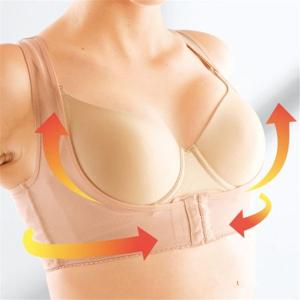
Fascia, crescentes dominae compesce papillas,
ut sit quod capiat nostra tegatque manus.
(Martial, Ep. 14.134)
Band, compress my lady’s swelling breasts, so that my hand may find something to clasp and cover. (tr. David Roy Shackleton Bailey)

Fascia, crescentes dominae compesce papillas,
ut sit quod capiat nostra tegatque manus.
(Martial, Ep. 14.134)
Band, compress my lady’s swelling breasts, so that my hand may find something to clasp and cover. (tr. David Roy Shackleton Bailey)
Rusticus indocte si quid dixisse videbor,
da veniam: libros non lego, poma lego.
sed rudis hic dominum totiens audire legentem
cogor Homeriacas edidicique notas.
ille vocat, quod nos psolen, ψολόεντα κεραυνόν
et quod nos culum, κουλεόν ille vocat.
μερδαλέον certe quasi res non munda vocatur
et pediconum mentula merdalea est.
quid? nisi Taenario placuisset Troica cunno
mentula, quod caneret non habuisset opus.
mentula Tantalidae bene si non mota fuisset,
nil senior Chryses quod quereretur erat.
haec eadem socium tenera spoliavit amica,
quaeque erat Aeacidae maluit esse suam.
ille Pelethroniam cecinit miserabile carmen
ad citharam, cithara tensior ipse sua.
nobilis hinc mota nempe incipit Ilias ira:
principium sacri carminis illa fuit.
altera materia est error fallentis Ulixei:
si verum quaeras, hunc quoque movit amor.
hic legitur radix de qua flos aureus exit:
quem cum μῶλυ vocat, mentula μῶλυ fuit.
hic legimus Circen Atlantiademque Calypson
grandia Dulichii vasa petisse viri.
huius et Alcinoi mirata est filia membrum
frondenti ramo vix potuisse tegi.
ad vetulam tamen ille suam properabat, et omnis
mens erat in cunno, Penelopea, tuo:
quae sic casta manes, ut iam convivia visas
utque fututorum sit tua plena domus.
e quibus ut scires quicumque valentior esset,
haec es ad arrectos verba locuta procos:
“nemo meo melius nervum tendebat Ulixe,
sive illi laterum, sive erat artis opus.
qui, quoniam periit, vos nunc intendite, qualem
esse virum sciero, vir sit ut ille meus.”
hac ego, Penelope, potui tibi lege placere,
illo sed nondum tempore natus eram!
(Priapea 68)
No scholar I, but country-bred, so pardon me
If I be crude: trees is my trade, not books, you see.
Yet I know this bloke Homer, for my master proud
Spends all his time out here a-reading him out loud.
I hear, for instance, what we rustics call a prick
Is ‘psolenta kheraunos’ in that chap’s Greek,
And arse is ‘khouleos’, and ‘merdaleos’—’foul’
It means—what you’d expect of prick that’s been in bowel.
If Trojan cock had not brought Grecian cunt such fun,
This Homer fellow’s book could not have been begun.
If bloody Agamemnon’s prick had been less stout,
He’d given old Chryses damn nowt to moan about;
Nor would he then have snatched the maiden from his friend,
And she’d have been Achilles’ own until the end:
Who now upon his Pelethronian lyre must sing
A woeful tune, himself stretched tenser than its string.
And so began the hero’s noble rage, the same
That’s the chief matter of the Iliad’s tale of fame.
The other book’s about Ulysses and his treks,
And, truth to tell, here too the cause of all was sex.
You read about a beauteous blossom, ‘molyhock’,
But when they speak of ‘moly’ they’re really meaning ‘cock.’
What else we read? How Circe—and Calypso too—
Dulichian Ulysses for his fine tool they woo.
Alcinous’ daughter wondered at it next; its size
Was such that leafy bough could not its bulk disguise.
Yet, all the same, to his old woman back he goes:
His mind is in your cunt, Penelope, who chose
To remain true, yet you’d invited many a guest,
So with a crowd of would-be fuckers you were blessed;
The idea being, I dare say, to find out who
Was best at doing it of all that eager crew.
“To firmer member”, says she, “no one could lay claim
Than Ulysses, in strength and skill a master at the game.
I need to know, now he has gone and left no trace,
Which one of you is man enough to take his place.”
I should have been the one, Penelope to fuck
In your mate’s stead. But I was not yet made, worse luck.
(tr. William Henry Parker)

Quae nunc divitibus gens acceptissima nostris
et quos praecipue fugiam, properabo fateri,
nec pudor obstabit. non possum ferre, Quirites,
Graecam urbem. quamvis quota portio faecis Achaei?
iam pridem Syrus in Tiberim defluxit Orontes
et linguam et mores et cum tibicine chordas
obliquas nec non gentilia tympana secum
vexit et ad circum iussas prostare puellas.
ite, quibus grata est picta lupa barbara mitra.
rusticus ille tuus sumit trechedipna, Quirine,
et ceromatico fert niceteria collo.
hic alta Sicyone, ast hic Amydone relicta,
hic Andro, ille Samo, hic Trallibus aut Alabandis,
Esquilias dictumque petunt a vimine collem,
viscera magnarum domuum dominique futuri.
ingenium velox, audacia perdita, sermo
promptus et Isaeo torrentior: ede quid illum
esse velis. quemvis hominem secum attulit ad nos:
grammaticus, rhetor, geometres, pictor, aliptes,
augur, schoenobates, medicus, magus, omnia novit
Graeculus esuriens: in caelum iusseris ibit.
in summa non Maurus erat neque Sarmata nec Thrax
qui sumpsit pinnas, mediis sed natus Athenis.
(Juvenal, Sat. 3.58-80)
The race that’s now most popular with wealthy Romans—the people I want especially to get away from—I’ll name them right away, without any embarrassment. My fellow- citizens, I cannot stand a Greekified Rome. Yet how few of our dregs are Achaeans? The Syrian Orontes has for a long time now been polluting the Tiber, bringing with it its language and customs, its slanting strings along with pipers, its native tom-toms too, and the girls who are told to offer themselves for sale at the Circus. Off you go, if your taste is a foreign whore in her bright headdress. Ah, Quirinus, that supposed rustic of yours is putting on his chaussures grecques and wearing his médaillons grecs on his neck parfumé a la grecque. They come—this one leaving the heights of Sicyon, this other from Amydon, this one from Andros, that one from Samos, this one from Tralles or Alabanda—heading for the Esquiline and the hill named from the willow, to become the innards and the masters of our great houses. They have quicksilver wit, shameless presumption, words at the ready, more gushing than Isaeus. Say what you want him to be. In his own person he has brought anyone you like: school teacher, rhetorician, geometrician, painter, masseur, prophet, funambulist, physician, magician—your hungry Greekling has every talent. Tell him to go to heaven and he will. In short, it wasn’t a Moroccan or a Sarmatian or a Thracian who sprouted wings, but a man born in the centre of Athens. (tr. Susanna Morton Braund)
Ἔσσεται ἐσσομένοις, ὅτε Πύραμος ἀργυροδίνης,
ἠϊόνα προχέων, ἱερὴν εἰς νῆσον ἵκηται.
καὶ Σύβαρις πέσεται, καὶ Κύζικος, ἡνίκα γαίης
βρασσομένης σεισμοῖσι καταπίπτωσι πόληες.
ἥξει καὶ Ῥοδίοις κακὸν ὕστατον, ἀλλὰ μέγιστον.
οὔτε Μακηδονίης ἀεὶ κράτος· ἀλλ’ ἀπὸ δυσμῶν
Ἰταλὸς ἀνθήσει πόλεμος μέγας, ᾧ ὕπο κόσμος
λατρεύσει, δούλειον ἔχων ζυγὸν, Ἰταλίδῃσι.
Καρχηδὼν, καὶ σεῖο χαμαὶ πᾶς πύργος ἐρείσει.
τλῆμον Λαοδίκεια, σὲ δὲ τρώσει ποτὲ σεισμὸς
πρηνίξας, στήσει δὲ πάλιν πόλιν εὐρυάγυιαν.
καὶ σὺ, Κόρινθε τάλαινα, τεήν ποτ’ ἐπόψει ἅλωσιν.
ὦ Λυκίης Μύρα καλὰ, σὲ δ’ αὖ ποτὲ βρασσομένη χθὼν
πρηνίξει· πρηνὴς δἑ κλόνῳ πίπτουσ’ ἐπὶ γαῖαν,
εἰς ἑτέραν εὔξῃ προφυγεῖν χθόνα, οἷα μέτοικος.
Ἀρμενίη δέ τε, καὶ σὲ μένει δούλειος ἀνάγκη
Ἰταλόθεν. νηὸν δὲ Θεοῦ μέγαν ἐξαλαπάξει.
ἡνίκα δ’ ἀφροσύνῃσι πεποιθότες, εὐσεβίην μὲν
ῥίψουσι, στυγερὸν δὲ τελοῦσι φόνον περὶ νηὸν,
καὶ τότ’ ἀπ’ Ἰταλίης βασιλεὺς μέγας, οἷά τε δράτης,
φεύξετ’ ἄφαντος, ἄπυστος, ὑπὲρ πόρον Εὐφρήταο,
ὁππότε δὴ μητρῷον ἄγος στυγεροῖο φόνοιο
τλήσεται, ἄλλα τε πολλὰ κακῇ σὺν χειρὶ πιθήσας.
πολλοὶ δ’ ἀμφ’ ἱερὸν Ῥώμης πέδον αἱμάξουσι,
κείνου ἀποδράσαντος ὑπὲρ τὴν πατρίδα γαῖαν.
εἰς Συρίην δ’ ἥξει Ῥώμης πρόμος, ὃς πυρὶ νηὸν
συμφλέξας, πολέμων πολλοὺς δορὶ ἀνδροφονήσει,
Ἰουδαίων δ’ ὀλέσει μεγάλην χθόνα εὐρυάγυιαν.
καὶ τότε δὴ Σαλαμῖνα, Πάφον θ’ ἅμα σεισμὸς ὀλέσσει,
Κύπρον ὅταν περίκλυστον ὑπερκλονέῃ μέλαν ὕδωρ.
ἀλλ’ ὁπόταν χθονίης ἀπὸ ῥωγάδος Ἰταλίδος γῆς
πυρσὸς ὑποστρέψας εἰς οὐρανὸν εὐρὺν ἱκάνῃ,
πολλὰς δὲ φλέξῃ πόλιας, καὶ ἄνδρας ὀλέσσῃ,
πολλὴ δ’ αἰθαλόεσσα τέφρη μέγαν αἰθέρα πλήσῃ,
καὶ ψεκάδες πίπτωσιν ἀπ’ οὐρανοῦ, οἷά τε μίλτος,
γινώσκειν τότε μῆνιν ἐπουρανίοιο Θεοῖο,
εὐσεβέων ὅτι φῦλον ἀναίτιον ἐξολέκουσιν.
εἰς δὲ δύσιν τότε νεῖκος ἐγειρομένου πολέμοιο
ἥξει, καὶ Ῥώμης ὁ φυγὰς, μέγα ἔγχος ἀείρων,
Εὐφρήτην διαβὰς, πολλαῖς ἅμα μυριάσ’ ἀνδρῶν.
τλήμων Ἀντιόχεια, σὲ δὲ πτόλιν οὐκέτ’ ἐροῦσιν·
εἵνεκεν ἀφροσύνης Ἰταλοῖς ὑπὸ δούρασι πίπτεις.
καὶ Συρίην τότε λοιμὸς ἕλῃ, καὶ φύλοπις αἰνή.
αἲ αἲ, Κύπρε, τάλαινα, σὲ δὲ πλατὺ κῦμα θαλάσσης
ῥίψει, χειμερίῃσιν ἀναρριφθεῖσαν ἀέλλαις.
(Chrēsmoi Sibulliakoi 4.97-141)
It shall take place among those yet to be,
When silver-eddying Pyramus his banks
O’erpouring, to the sacred isle shall come.
And Cibyra shall fall and Cyzicus,
When, earth being shaken by earthquakes, cities fall.
And sand shall hide all Samos under banks.
And Delos visible no more, but things
Of Delos shall all be invisible.
And to Rhodes shall come evil last, but greatest.
The Macedonian power shall not abide;
But from the west a great Italian war
Shall flourish, under which the world shall bear
A servile yoke and the Italians serve.
And thou, O wretched Corinth, thou shalt look
Sometime upon thy conquest. And thy tower,
O Carthage, shall press lowly on the ground.
Wretched Laodicea, thee sometime
Shall earthquake lay low, casting headlong down,
But thou, a city firmly set, again
Shalt stand. O Lycia Myra beautiful,
Thee never shall the agitated earth
Set fast; but falling headlong down on earth
Shalt thou, in manner like an alien, pray
To flee away into another land,
When sometime the dark water of the sea
With thunders and earthquakes shall stop the din
Of Patara for its impieties.
Also for thee, Armenia, there remains
A slavish fate; and there shall also come
To Solyma an evil blast of war
From Italy, and God’s great temple spoil.
But when these, trusting folly, shall cast off
Their piety and murders consummate
Around the temple, then from Italy
A mighty king shall like a runaway slave
Flee over the Euphrates’ stream unseen,
Unknown, who shall some time dare loathsome guilt
Of matricide, and many other things,
Having confidence in his most wicked hands.
And many for the throne shall stain with blood
Rome’s soil while he flees over Parthian land.
And out of Syria shall come Rome’s foremost man,
Who having burned the temple of Solyma,
And having slaughtered many of the Jews,
Shall bring destruction on their great broad land.
And then too shall an earthquake overthrow
Both Salamis and Paphos, when dark water
Shall dash o’er Cyprus washed by many a wave.
But when from deep cleft of Italian land
Fire shall come flashing forth in the broad heaven,
And many cities burn and men destroy,
And much black ashes shall fill the great sky,
And small drops like red earth shall fall from heaven,
Then know the anger of the God of heaven,
For that they without reason shall destroy
The nation of the pious. And then strife
Awakened of war shall come to the West,
Shall also come the fugitive of Rome,
Bearing a great spear, having marched across
Euphrates with his many myriads.
O wretched Antioch, they shall call thee
No more a city when around their spears
Because of thine own follies thou shalt fall.
And then on Scyros shall a pestilence
And dreadful battle-din destruction bring.
Alas, alas! O wretched Cyprus, thee
Shall a broad wave of the sea cover, thee
Tossed on high by the whirling stormy winds.
(tr. Milton S. Terry)
Εἰ μέν, ὦ ἄνδρες, ἐν ἑτέρῳ τῳ πράγματι οἱ παριόντες μὴ τὴν αὐτὴν γνώμην ἔχοντες πάντες ἐφαίνοντο, οὐδὲν ἂν θαυμαστὸν ἐνόμιζον· ὅπου μέντοι δεῖ τὴν πόλιν ἐμέ τι ποιῆσαι ἀγαθόν, ἢ εἴ τις ἕτερος βούλοιτο ἐμοῦ κακίων, δεινότατον ἁπάντων χρημάτων ἡγοῦμαι, εἰ τῷ μὲν δοκεῖ ταῦτα τῷ δὲ μή, ἀλλὰ μὴ πᾶσιν ὁμοίως. εἴπερ γὰρ ἡ πόλις ἁπάντων τῶν πολιτευομένων κοινή ἐστι, καὶ τὰ γιγνόμενα δήπου ἀγαθὰ τῇ πόλει κοινά ἐστι. τουτὶ τοίνυν τὸ μέγα καὶ δεινὸν πάρεστιν ὑμῖν ὁρᾶν τοὺς μὲν ἤδη πράττοντας, τοὺς δὲ τάχα μέλλοντας· καί μοι μέγιστον θαῦμα παρέστηκε, τί ποτε οὗτοι οἱ ἄνδρες δεινῶς οὕτω περικάονται, εἴ τι ὑμᾶς χρὴ ἀγαθὸν ἐμοῦ ἐπαυρέσθαι. δεῖ γὰρ αὐτοὺς ἤτοι ἀμαθεστάτους εἶναι πάντων ἀνθρώπων, ἢ τῇ πόλει ταύτῃ δυσμενεστάτους. εἰ μέν γε νομίζουσι τῆς πόλεως εὖ πραττούσης καὶ τὰ ἴδια σφῶν αὐτῶν ἄμεινον ἂν φέρεσθαι, ἀμαθέστατοί εἰσι τὰ ἐναντία νῦν τῇ ἑαυτῶν ὠφελείᾳ σπεύδοντες· εἰ δὲ μὴ ταὐτὰ ἡγοῦνται σφίσι τε αὐτοῖς συμφέρειν καὶ τῷ ὑμετέρῳ κοινῷ, δυσμενεῖς ἂν τῇ πόλει εἶεν· οἵτινες εἰσαγγείλαντός μου ἀπόρρητα εἰς τὴν βουλὴν περὶ τῶν πραγμάτων, ὧν ἀποτελεσθέντων οὐκ εἰσὶ τῇ πόλει ταύτῃ μείζονες ὠφέλειαι, καὶ τούτων ἀποδεικνύντος μου τοῖς βουλευταῖς σαφεῖς τε καὶ βεβαίους τὰς ἀποδείξεις, ἐκεῖ μὲν οὔτε τούτων τῶν ἀνδρῶν οἱ παραγενόμενοι ἐλέγχοντες οἷοί τ’ ἦσαν ἀποδεῖξαι εἴ τι μὴ ὀρθῶς ἐλέγετο, οὔτ’ ἄλλος οὐδείς, ἐνθάδε δὲ νῦν πειρῶνται διαβάλλειν. σημεῖον οὖν τοῦτο ὅτι οὗτοι οὐκ ἀφ’ αὑτῶν ταῦτα πράττουσιν—εὐθὺς γὰρ ἂν τότε ἠναντιοῦντο—ἀλλ’ ἀπ᾽ ἀνδρῶν ἑτέρων, οἷοί εἰσιν ἐν τῇ πόλει ταύτῃ, οὐδενὸς ἂν χρήματος δεξάμενοι ὑμᾶς τι ἀγαθὸν ἐξ ἐμοῦ πρᾶξαι. καὶ αὐτοὶ μὲν οὗτοι οἱ ἄνδρες οὐ τολμῶσι σφᾶς αὐτοὺς εἰς τὸ μέσον καταστήσαντες διισχυρίζεσθαι περὶ τούτων, φοβούμενοι ἔλεγχον διδόναι εἴ τι εἰς ὑμᾶς τυγχάνουσι μὴ εὖ φρονοῦντες· ἑτέρους δὲ εἰσπέμπουσι, τοιούτους ἀνθρώπους οἷς εἰθισμένοις ἤδη ἀναισχυντεῖν οὐδὲν διαφέρει εἰπεῖν τε καὶ ἀκοῦσαι τὰ μέγιστα τῶν κακῶν. τὸ δ’ ἰσχυρὸν τοῦτο μόνον εὕροι τις ἂν αὐτῶν ἐν τοῖς λόγοις, τὰς ἐμὰς συμφορὰς ἐπὶ παντὶ ὀνειδίζειν, καὶ ταῦτα ἐν εἰδόσι δήπου κάλλιον ὑμῖν, ὥστε μηδὲν ἂν τούτων δικαίως τιμὴν αὐτοῖς τινα φέρειν. ἐμοὶ δέ, ὦ ἄνδρες, καὶ τῷ πρώτῳ τοῦτο εἰπόντι ὀρθῶς δοκεῖ εἰρῆσθαι, ὅτι πάντες ἄνθρωποι γίγνονται ἐπὶ τῷ εὖ καὶ κακῶς πράττειν, μεγάλη δὲ δήπου καὶ τὸ ἐξαμαρτεῖν δυσπραξία ἐστί, καὶ εἰσὶν εὐτυχέστατοι μὲν οἱ ἐλάχιστα ἐξαμαρτάνοντες, σωφρονέστατοι δὲ οἳ ἂν τάχιστα μεταγιγνώσκωσι. καὶ ταῦτα οὐ διακέκριται τοῖς μὲν γίγνεσθαι τοῖς δὲ μή, ἀλλ’ ἔστιν ἐν τῷ κοινῷ πᾶσιν ἀνθρώποις καὶ ἐξαμαρτεῖν τι καὶ κακῶς πρᾶξαι. ὧν ἕνεκα, ὦ Ἀθηναῖοι, εἰ ἀνθρωπίνως περὶ ἐμοῦ γιγνώσκοιτε, εἴητε ἂν ἄνδρες εὐγνωμονέστεροι.
(Andocides, Or. 2.1-6)
On any other subject, gentlemen, I shouldn’t think it at all surprising if the speakers didn’t all express the same opinion. But when it’s a case of my doing a service to Athens—or if some less worthy person than myself wanted to do one—it seems to me quite extraordinary if one person is in favor and another not, and they’re not unanimous. If the city belongs to all its citizens, surely services done to the city belong to them all too. Well, you can see some men are already taking this very strange course, while others soon will. I simply can’t understand why they flare up so strangely if you’re to get the advantage of some service of mine. They must be either the stupidest men in the world or the city’s worst enemies. If they think the prosperity of Athens would benefit their own private business, it’s very stupid of them now to press for what is contrary to their own interests. But if they consider that their own interests are not the same as the public interest, they must be enemies of Athens. In fact when I made a report to the Council in secret session about actions which will be of the greatest possible advantage to the city if they’re carried out, and gave the Councilors clear proof of them, though some of these men were present, none of them was able then to disprove anything I said, and neither was anyone else; but now they’re trying to discredit me here. This shows they aren’t doing it of their own accord, or they’d have opposed me straightaway on that occasion. They’re instigated by other men, such as do exist in Athens, who wouldn’t for anything allow you to receive any benefit from me. Those men don’t dare to come forward in public and make a statement in person on the subject, because they’re afraid of being shown up as unpatriotic. They send other men in as their agents, men who are already so brazen that they don’t care how much they insult people or get insulted. All their case boils down to, you’ll find, is sneering at my troubles in general—even though you, of course, are well aware of them already, so that they don’t deserve any credit for any of it. Personally, gentlemen, I agree with whoever it was who first said that all mankind is born for good and bad fortune. And I suppose that to err is a great misfortune, and the most fortunate are those who err least, while the most sensible are those who realize their errors soonest. There’s no distinction between some who err and others who don’t; error and failure are common to everyone. So, Athenians, you’d be more considerate men if you judged me by human standards. (tr. Douglas M. MacDowell)

Auguria, anima dulcis et innocua, have.
domui aeternae consecratae
Agileiae Primae, quae et Auguriae,
uxori supra aetatem castissimae et
pudicissimae et frugalissimae, quae innocenter
maritum et domum eius amavit, omnia de se
merenti fecit Q. Oppius Secundus maritus et sibi.
tempore quo sum genita natura mihi bis denos tribuit
annos, quibus completis, septima deinde die resoluta legibus otio sum perpetuo tradita: haec mihi vita fuit.
Oppi, ne metuas Lethen, nam stultum est, tempore et om-
ni, dunc mortem metuas, amittere gaudia vitae.
mors etenim hominum natura, non poena est;
cui contigit nasci, instat et mori. igitur,
domine Oppi marite, ne doleas mei quod praecessi:
sustineo in aeterno toro adventum tuum.
valete superi et cuncti cunctaeque valete.
Auguria, innocua anima tua in bono.
(CIL VI.11252)
Hail Auguria, a sweet and innocent soul.
To the eternal consecrated house
And to Agileia Prima who was also known as Auguria.
Wife beyond eternity; most chaste and modest and frugal who loved
Her husband and his house and all his possessions innocently.
Quintus Oppius Secundus, her husband, made this for the deserving one and for himself.
At the time I was begotten, nature granted me twice ten
years, upon the fulfillment of which, on the seventh day thereafter,
freed of the laws [that bind one to life] I was given over to unending rest.
This life was given to me, [so]
Oppius, do not fear Lethe, for it is foolish to lose joy of life while fearing death at all time.
For death is the nature, not the punishment of mankind; whoever happens to be born, therefore also faces to die.
Master Oppius, husband, do not lament me because I have preceded you
I await your arrival in the eternal marriage bed.
Be well, my survivors, and all other men and women, be well.Innocent Auguria, [may] your soul [rest] among the good.
(tr. Peter Jones)

Τίς οὖν ἀποδέδεικται λόγος ἀνδρὶ δικαίῳ συνηγόρῳ, ἐγὼ λέξω. εἰς τρία μέρη διαιρεῖται ἡ ἡμέρα, ὅταν εἰσίῃ γραφὴ παρανόμων εἰς τὸ δικαστήριον. ἐγχεῖται γὰρ τὸ μὲν πρῶτον ὕδωρ τῷ κατηγόρῳ καὶ τοῖς νόμοις καὶ τῇ δημοκρατίᾳ, τὸ δὲ δεύτερον τῷ τὴν γραφὴν φεύγοντι καὶ τοῖς εἰς αὐτὸ τὸ πρᾶγμα λέγουσιν· ἐπειδὰν δὲ τῇ πρώτῃ ψήφῳ λυθῇ τὸ παράνομον, ἤδη τὸ τρίτον ὕδωρ ἐγχεῖται τῇ τιμήσει καὶ τῷ μεγέθει τῆς ὀργῆς τῆς ὑμετέρας. ὅστις μὲν οὖν ἐν τῇ τιμήσει τὴν ψῆφον αἰτεῖ, τὴν ὀργὴν τὴν ὑμετέραν παραιτεῖται· ὅστις δ’ ἐν τῷ πρώτῳ λόγῳ τὴν ψῆφον αἰτεῖ, ὅρκον αἰτεῖ, νόμον αἰτεῖ, δημοκρατίαν αἰτεῖ, ὧν οὔτε αἰτῆσαι οὐδὲν ὅσιον οὐδενί, οὔτ’ αἰτηθέντα ἑτέρῳ δοῦναι. κελεύσατε οὖν αὐτούς, ἐάσαντας τὴν πρώτην ὑμᾶς ψῆφον κατὰ τοὺς νόμους διενεγκεῖν, ἀπαντᾶν εἰς τὴν τίμησιν.
(Aeschines, Or. 3.197-198)
I myself will tell you the appropriate argument for a supporting speaker with a sense of propriety. The day is divided into three parts when an indictment for illegal legislation comes to court. The first portion of water is poured into the urns for the prosecutor, the laws, and the democratic constitution, the second portion of water for the man facing the indictment and supporters who speak to the main issue. And once the illegal proposal is overturned by the initial verdict, at this point the third portion of water is poured in for the penalty assessment and deciding the extent of your anger. Now anyone who asks for your vote at the assessment stage is seeking to placate your anger. But anyone who asks for your vote in the first speech is asking you to make a gift of your oath, of the law; of democratic rule. None of these can rightly be asked by anyone, nor can they rightly be given to another when asked. So tell them to leave you to cast your initial vote according to the laws and then approach you at the assessment stage. (tr. Chris Carey)
Ὁ πλεῖστον νοῦν ἔχων
μάντις τ’ ἄριστός ἐστι σύμβουλός θ’ ἅμα.
(Menander, Theoph., fr. 225 Kock)
He who has the most common sense
is at once the best prophet and adviser.
(tr. Francis G. Allinson)
Neque vero ille minus bonus pater familias habitus est quam civis. nam cum esset pecuniosus, nemo illo minus fuit emax, minus aedificator. neque tamen non imprimis bene habitavit omnibusque optimis rebus usus est. nam domum habuit in colle Quirinali Tamphilianam, ab avunculo hereditate relictam, cuius amoenitas non aedificio, sed silva constabat: ipsum enim tectum antiquitus constitutum plus salis quam sumptus habebat: in quo nihil commutavit, nisi si quid vetustate coactus est. usus est familia, si utilitate iudicandum est, optima, si forma, vix mediocri. namque in ea erant pueri litteratissimi, anagnostae optimi et plurimi librarii, ut ne pedisequus quidem quisquam esset, qui non utrumque horum pulchre facere posset, pari modo artifices ceteri, quos cultus domesticus desiderat, apprime boni. neque tamen horum quemquam nisi domi natum domique factum habuit: quod est signum non solum continentiae, sed etiam diligentiae. nam et non intemperanter concupiscere, quod a plurimis videas, continentis debet duci, et potius industria quam pretio parare non mediocris est diligentiae. elegans, non magnificus, splendidus, non sumptuosus: omnisque diligentia munditiam, non affluentiam affectabat. supellex modica, non multa, ut in neutram partem conspici posset. nec praeteribo, quamquam nonnullis leve visum iri putem, cum imprimis lautus esset eques Romanus et non parum liberaliter domum suam omnium ordinum homines invitaret, non amplius quam terna milia peraeque in singulos menses ex ephemeride eum expensum sumptui ferre solitum. atque hoc non auditum, sed cognitum praedicamus: saepe enim propter familiaritatem domesticis rebus interfuimus.
(Cornelius Nepos, Vita Attici 13)
But he was regarded as no less good a head of a household than he was a citizen. For though he was wealthy, no man was less partial to buying and to building. However, he did live extremely well and everything he used was of the best. For his house, once Tamphilus’, was on the Quirinal hill; it had been bequeathed to him by his uncle, and its charm lay not in the building but in the grounds, for the structure itself was built long ago and had more character than luxury. In it he changed nothing except in cases when he was forced to by its age. His slave household, to judge by its practical qualities, was outstanding; to judge by its beauty, barely adequate. For among it there were highly educated slaves, excellent readers, and numerous copyists, so there was not even a single footman who could not both read and copy finely. Likewise, the other specialists required by domestic comfort were particularly good. Every one of them was born and trained in the household; this is a sign not only of his restraint but also of his industry, for, first, not to have immoderate desires, such as you would very frequently see, should be thought the sign of a self-restrained man, and, second, to procure by effort rather than by outlay is a sign of considerable determination. He was of good taste, not lordly, splendid not lavish, and with all his efforts aimed not at affluence but at elegance. His furnishings were moderate not copious, to be noted for neither excess. Nor shall I omit, though I think some may judge it trivial, that though he was an exceptionally substantial Roman knight and invited to his home very generously men of all ranks, he used to allow 3,000 sesterces a month on average for domestic expenses from his accounts. This I assert as a matter not reported but observed, for I often joined in his life at home on account of our relations. (tr. Nicholas Horsfall)
ᾟ μοι δοκοῦσιν εὐφρόνην κεκληκέναι τὴν νύκτα, ἐπειδὴ τηνικάδε ἡ ψυχὴ πεπαυμένη τῶν αἰσθήσεων συννεύει πρὸς αὑτὴν καὶ μᾶλλον μετέχει τῆς φρονήσεως. διὰ ταῦτ’ οὖν καὶ αἱ τελεταὶ γίνονται νυκτὸς μάλιστα, σημαίνουσαι τὴν ἐν νυκτὶ τῆς ψυχῆς συστολὴν ἀπὸ τοῦ σώματος. ἄρ’ οὖν μὴ καθεύδωμεν ὡς οἱ λοιποί, ἀλλὰ γρηγορῶμεν καὶ νήφωμεν. οἱ γὰρ καθεύδοντες νυκτὸς καθεύδουσι καὶ οἱ μεθυσκόμενοι νυκτὸς μεθύουσιν· ἡμεῖς δὲ ἡμέρας ὄντες νήφωμεν, ἐνδυσάμενοι θώρακα πίστεως καὶ ἀγάπης καὶ περικεφαλαίαν ἐλπίδα σωτηρίου. ὅσα δ’ αὖ περὶ ὕπνου λέγουσι, τὰ αὐτὰ χρὴ καὶ περὶ θανάτου ἐξακούειν. ἑκάτερος γὰρ δηλοῖ τὴν ἀπόστασιν τῆς ψυχῆς, ὃ μὲν μᾶλλον, ὃ δὲ ἧττον, ὅπερ ἐστὶ καὶ παρὰ Ἡρακλείτου λαβεῖν· “ἄνθρωπος ἐν εὐφρόνῃ φάος· ἅπτεται ἑαυτῷ ἀποθανών, ἀποσβεσθεὶς ὄψεις, ζῶν δέ ἅπτεται τεθνεῶτος εὕδων, ἀποσβεσθεὶς ὄψεις· ἐγρηγορὼς ἅπτεται εὕδοντος.” μακάριοι γὰρ οἱ εἰδότες τὸν καιρὸν κατὰ τὸν ἀπόστολον, ὅτι ὥρα ὑμᾶς ἤδη ἐξ ὕπνου ἐγερθῆναι· νῦν γὰρ ἐγγύτερον ἡμῶν ἡ σωτηρία ἢ ὅτε ἐπιστεύσαμεν. ἡ νὺξ προέκοψεν, ἡ δὲ ἡμέρα ἤγγικεν. ἀποθώμεθα οὖν τὰ ἔργα τοῦ σκότους, ἐνδυσώμεθα δὲ τὰ ὅπλα τοῦ φωτός.
(Clement of Alexandria, Strom. 4.140.2-141.5)
And for this reason, as they appear to me, to have called night Euphrone; since then the soul, released from the perceptions of sense, turns in on itself, and has a truer hold of intelligence. Wherefore the mysteries are for the most part celebrated by night, indicating the withdrawal of the soul from the body, which takes place by night. “Let us not then sleep, as do others; but let us watch and be sober. For they that sleep, sleep in the night; and they that are drunken, are drunken in the night. But let us who are of the day be sober, putting on the breastplate of faith and love, and as an helmet the hope of salvation.” (Paul, 1 Thess. 5.1-6) And as to what, again, they say of sleep, the very same things are to be understood of death. For each exhibits the departure of the soul, the one more, the other less; as we may also get this in Heraclitus (fr. 122): “Man touches night in himself, when dead and his light quenched; and alive, when he sleeps he touches the dead; and awake, when he shuts his eyes, he touches the sleeper.” “For blessed are those that have seen the Lord,” according to the apostle; “for it is high time to awake out of sleep. For now is our salvation nearer than when we believed. The night is far spent, the day is at hand. Let us therefore cast off the works of darkness, and put on the armour of light.” (Paul, Rom. 13.11-12) (tr. Philip Schaff)
 Crambe Repetita