Seditiosus

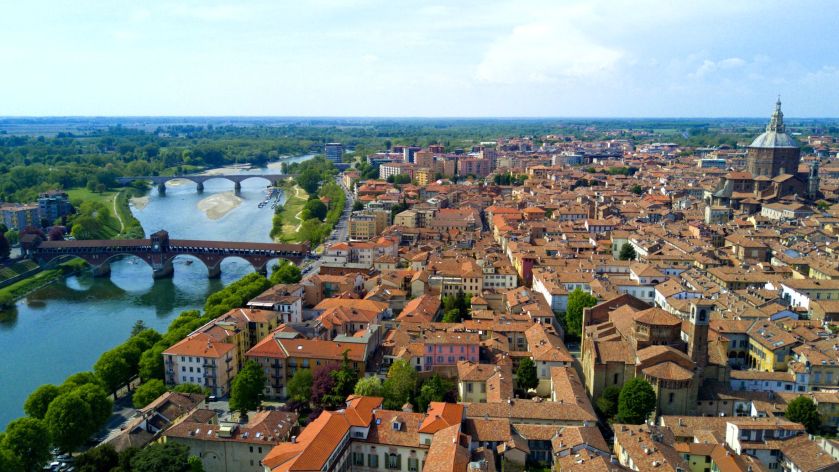
Aerial video shooting with drone on Pavia, famous Lombardia city near the Ticino river in northern Italy
Pavia

This is part 1 of 3. Part 2 is here. Part 3 is here.

His temporibus Walpertus et Gezo, praenomine Heverardus, Papiae praepotentes iudices erant. causa autem potentiae Walperti haec erat, quoniam Cumis, ditissimo in loco, filium suum Petrum episcopum fecerat, Rozam vero, gnatam suam, Gilleberto comiti palatii coniugio sotiaverat. ea tamen tempestate uterque defunctus erat. Ticinensis itaque, quod est Papiensis, populus omnis ad hunc convenerat, causasque omnes et controversias ante eum deliberabat. participatione denique potentiae huius memoratus Gezo, praenomine Heverardus, quoniam quadam affinitate ei iungebatur, praepotens habebatur. qui nobilitatem suam pravis moribus deturpabat. fuit enim ambitiosus nimis, cupidus, invidus, seditiosus, iuris corruptor, praeceptorum Dei immemor; quod Deus non passus est abire inultum; et ne diutius protraham sermonem, Catilinae omnino similis, qui sicut consulem et rei publicae defensorem Marcum Tullium Ciceronem conabatur occidere, ita et hic regem Hugonem morti molitus est tradere. quadam enim die, dum nichil mali suspicans rex Hugo Papie cum paucis degeret, hic seditione facta voluit super eum irruere; sed Walperto, qui non tam ferocis animi erat, remorante, tardatus est. nec minus etiam eos rex Hugo suis rhetoricis et melle dulcioribus elogiis ab incepto furore compescuit. dum enim seditionem super se exhortam atque in domo Walperti congregatam esse cognosceret, huiusmodi omnes per internuntios sermone convenit: ‘quid est, quod tantopere, viri fortes, tamque insperate contra dominum, immo regem, vestrum commoti estis? si quippiam quod displiceat actum est, consolidetur. neque enim sera emendatio reprehendi solet, praesertim si nulla neglegentia praetermissa est.’
(Liutprand of Cremona, Antapodosis, 3.39-40)

In those times Walpert and Gezo, whose first name was Heverard, were very powerful judges in Pavia. The reason for Walpert’s power was this: that he had made his son Peter bishop in that very wealthy place, Como, and joined his daughter Roza in marriage to the count of the palace Gislebert. At that same time both Peter and Gislebert had died. All the people of Ticino, that is, the Pavians, had come to Walpert and were debating all cases and controversies before him. In addition, mindufl of his share of the power, Gezo, whose first name was Heverard, because he was joined to him by a certain affinity, was regarded as the powerful one; but Gezo spoiled hi own nobility by his wicked ways. For he was very ambitious, avid, envious, seditious, a corrupter of the law, forgetful of God’s teachings—something which God does not tolerate without vengeance; and, lest I drag out my speech any longer, Gezo was in every way similar to Catiline and, just as Catiline was trying to kill the consul and defender of the Roman Republic Cicero, similarly this Gezo schemed to put King Hugh to death. For on a certain day, while King Hugh, suspecting no evil, stayed in Pavia with a few followers, this Gezo, having organized a revolt, wanted to rush upon him; but with Walpert, who was not of equally savage spirit, lagging behind, the plan was postponed. Nor did King Hugh play a lesser role in restraining them from the rampage they had launched with his rhetorical and honey-sweet praises. For when he learned that a revolt against him had broken out and the rebels had assembled in the house of Walpert, through intermediaries he addressed them all with a speech like this: “Why, O strong men, are you so suddenly aroused against your lord, your king, even? If something was done that displeased you, let it be compensated for. For it is not usual that a late correction is despised, especially if no negligence has been overlooked.” (tr. Paolo Squatriti)

Diabolē

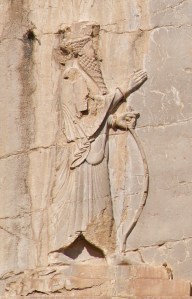
iranian.225x0-is-pid6619
Achaemenid nobleman

This is part 3 of 3. Part 1 is here. Part 2 is here.

Σοὶ μὲν δὴ ταῦτα, ὦ βασιλεῦ, συμβουλεύω· σὺ δέ, ὦ παῖ Γωβρύεω, παῦσαι λέγων λόγους ματαίους περὶ Ἑλλήνων οὐκ ἐόντων ἀξίων φλαύρως ἀκούειν. Ἕλληνας γὰρ διαβάλλων ἐπείρεις αὐτὸν βασιλέα στρατεύεσθαι· αὐτοῦ δὲ τούτου εἵνεκα δοκέεις μοι πᾶσαν προθυμίην ἐκτείνειν. μή νυν οὕτω γένηται. διαβολὴ γάρ ἐστι δεινότατον, ἐν τῇ δύο μέν εἰσι οἱ ἀδικέοντες, εἷς δὲ ὁ ἀδικεόμενος. ὁ μὲν γὰρ διαβάλλων ἀδικέει οὐ παρεόντος κατηγορέων, ὁ δὲ ἀδικέει ἀναπειθόμενος πρὶν ἢ ἀτρεκέως ἐκμάθῃ· ὁ δὲ δὴ ἀπεὼν τοῦ λόγου τάδε ἐν αὐτοῖσι ἀδικέεται, διαβληθείς τε ὑπὸ τοῦ ἑτέρου καὶ νομισθεὶς πρὸς τοῦ ἑτέρου κακὸς εἶναι. ἀλλ’ εἰ δὴ δεῖ γε πάντως ἐπὶ τοὺς ἄνδρας τούτους στρατεύεσθαι, φέρε, βασιλεὺς μὲν αὐτὸς ἐν ἤθεσι τοῖσι Περσέων μενέτω, ἡμέων δὲ ἀμφοτέρων παραβαλλομένων τὰ τέκνα στρατηλάτεε αὐτὸς σὺ ἐπιλεξάμενός τε ἄνδρας τοὺς ἐθέλεις καὶ λαβὼν στρατιὴν ὁκόσην τινὰ βούλεαι. καὶ ἢν μὲν τῇ σὺ λέγεις ἀναβαίνῃ βασιλέϊ τὰ πρήγματα, κτεινέσθων οἱ ἐμοὶ παῖδες, πρὸς δὲ αὐτοῖσι καὶ ἐγώ· ἢν δὲ τῇ ἐγὼ προλέγω, οἱ σοὶ ταῦτα πασχόντων, σὺν δέ σφι καὶ σύ, ἢν ἀπονοστήσῃς. εἰ δὲ ταῦτα μὲν ὑποδύνειν οὐκ ἐθελήσεις, σὺ δὲ πάντως στράτευμα ἀνάξεις ἐπὶ τὴν Ἑλλάδα, ἀκούσεσθαί τινά φημι τῶν αὐτοῦ τῇδε ὑπολειπομένων Μαρδόνιον, μέγα τι κακὸν ἐξεργασάμενον Πέρσας, ὑπὸ κυνῶν τε καὶ ὀρνίθων διαφορεύμενον ἤ κου ἐν γῇ τῇ Ἀθηναίων ἤ σέ γε ἐν τῇ Λακεδαιμονίων, εἰ μὴ ἄρα καὶ πρότερον κατ’ ὁδόν, γνόντα ἐπ᾽ οἵους ἄνδρας ἀναγινώσκεις στρατεύεσθαι βασιλέα.
(Herodotus, Hist. 7.10ζ-θ)

So that is my advice to you, my lord. As for you, son of Gobryas, you should stop making rude and defamatory remarks about the Greeks when they don’t deserve them. By disparaging the Greeks you encourage the king to march against them; in fact, I think that is exactly what all this effort of yours is for. But I hope this campaign never materializes. Slander is a truly terrible thing, because it involves two men ganging up to wrong a single victim. The one who casts the aspersions does wrong by accusing someone in his absence, and the other person does wrong by believing the lie before he has found out the truth. Meanwhile, the person who is missing from the discussion is the victim of the situation in the sense that he has been defamed by the one person and has acquired a bad reputation in the other one’s mind. However, if there is absolutely no help for it and we must make war on these Greeks, then consider this proposal, Mardonius. While the king stays here in Persia, in his homeland, you pick your men, take an army of any size you want, and lead the expedition. Let each of us gamble the lives of our children on the outcome. If matters turn out as you say they will for the king, let my children be put to death, and I will join them; but if things turn out as I am predicting, let your children suffer that fate, and you too, if you make it back home. If you aren’t prepared to run this risk, but are still determined to take the army overseas to Greece, I can tell you what news of Mardonius will reach the ears of those who stay behind here: they will be told that Mardonius was the cause of a great disaster for Persia, and that you were then torn apart by dogs and birds somewhere in Athenian territory or somewhere in Lacedaemon—that is, if this doesn’t happen earlier, on the way there. Then you will know what kind of men you are trying to persuade the king to attack.’ (tr. Robin Waterfield)

Bouleuesthai

p.txt

This is part 2 of 3. Part 1 is here. Part 3 is here.

Ἐγὼ δὲ οὐδεμιῇ σοφίῃ οἰκηίῃ αὐτὸς ταῦτα συμβάλλομαι, ἀλλ’ οἷόν κοτε ἡμέας ὀλίγου ἐδέησε καταλαβεῖν πάθος, ὅτε πατὴρ ὁ σός ζεύξας Βόσπορον τὸν Θρηίκιον, γεφυρώσας δὲ ποταμὸν Ἴστρον διέβη ἐπὶ Σκύθας. τότε παντοῖοι ἐγένοντο Σκύθαι δεόμενοι Ἰώνων λῦσαι τὸν πόρον, τοῖσι ἐπετέτραπτο ἡ φυλακὴ τῶν γεφυρέων τοῦ Ἴστρου. καὶ τότε γε Ἱστιαῖος ὁ Μιλήτου τύραννος εἰ ἐπέσπετο τῶν ἄλλων τυράννων τῇ γνώμῃ μηδὲ ἠντιώθη, διέργαστο ἂν τὰ Περσέων πρήγματα. καίτοι καὶ λόγῳ ἀκοῦσαι δεινόν, ἐπ’ ἀνδρί γε ἑνὶ πάντα τὰ βασιλέος πρήγματα γεγενῆσθαι. σὺ ὦν μὴ βούλευ ἐς κίνδυνον μηδένα τοιοῦτον ἀπικέσθαι μηδεμιῆς ἀνάγκης ἐούσης, ἀλλὰ ἐμοὶ πείθευ· νῦν μὲν τὸν σύλλογον τόνδε διάλυσον· αὖτις δέ, ὅταν τοι δοκῇ, προσκεψάμενος ἐπὶ σεωυτοῦ προαγόρευε τά τοι δοκέει εἶναι ἄριστα. τὸ γὰρ εὖ βουλεύεσθαι κέρδος μέγιστον εὑρίσκω ἐόν· εἰ γὰρ καὶ ἐναντιωθῆναί τι θέλει, βεβούλευται μὲν οὐδὲν ἧσσον εὖ, ἕσσωται δὲ ὑπὸ τῆς τύχης τὸ βούλευμα· ὁ δὲ βουλευσάμενος αἰσχρῶς, εἴ οἱ ἡ τύχη ἐπίσποιτο, εὕρημα εὕρηκε, ἧσσον δὲ οὐδέν οἱ κακῶς βεβούλευται. ὁρᾷς τὰ ὑπερέχοντα ζῷα ὡς κεραυνοῖ ὁ θεὸς οὐδὲ ἐᾷ φαντάζεσθαι, τὰ δὲ σμικρὰ οὐδέν μιν κνίζει· ὁρᾷς δὲ ὡς ἐς οἰκήματα τὰ μέγιστα αἰεὶ καὶ δένδρεα τὰ τοιαῦτα ἀποσκήπτει τὰ βέλεα. φιλέει γὰρ ὁ θεὸς τὰ ὑπερέχοντα πάντα κολούειν. οὕτω δὲ καὶ στρατὸς πολλὸς ὑπὸ ὀλίγου διαφθείρεται κατὰ τοιόνδε· ἐπεάν σφι ὁ θεὸς φθονήσας φόβον ἐμβάλῃ ἢ βροντήν, δι’ ὧν ἐφθάρησαν ἀναξίως ἑωυτῶν. οὐ γὰρ ἐᾷ φρονέειν μέγα ὁ θεὸς ἄλλον ἢ ἑωυτόν. ἐπειχθῆναι μέν νυν πᾶν πρῆγμα τίκτει σφάλματα, ἐκ τῶν ζημίαι μεγάλαι φιλέουσι γίνεσθαι· ἐν δὲ τῷ ἐπισχεῖν ἔνεστι ἀγαθά, εἰ μὴ παραυτίκα δοκέοντα εἶναι, ἀλλ’ ἀνὰ χρόνον ἐξεύροι τις ἄν.
(Herodotus, Hist. 7.10γ-ε)

I don’t have any special expertise that leads me to this conclusion; it’s just that disaster very nearly overwhelmed us once before under similar circumstances, when your father built a pontoon bridge across the Thracian Bosporus, bridged the River Ister, crossed it, and invaded Scythia. On that occasion the Scythians did everything they could to persuade the Ionians, whose job it was to guard the bridges across the Ister, to dismantle the causeway. And if Histiaeus the tyrant of Miletus had gone along with all his fellow tyrants, rather than opposing their view, that would have been the end of Persia. However terrifying it is even to hear it said, the whole of the king’s affairs depended on a single man. You should not choose to run that kind of risk when you don’t really have to. No, listen to me instead. Dissolve this meeting now, think things over by yourself and then later, whenever you like, give us whatever orders you see fit. In my experience, nothing is more advantageous than good planning. I mean, even if a set-back happens, that doesnt alter the fact that the plan was sound; it’s just that the plan was defeated by chance. However, if someone who hasn’t laid his plans properly is attended by fortune, he may have had a stroke of luck, but that doesn’t alter the fact that his plan was unsound. You can see how the god blasts living things that are prominent and prevents their display of superiority, while small creatures don’t irritate him at all; you can see that it is always the largest buildings and the tallest trees on which he hurls his thunderbolts. It is the god’s way to curtail anything excessive. And so even a massive army may be destroyed by a small force if it attracts the god’s resentment and he sends panic or thunder, until they are shamefully destroyed. This happens because the god does not allow anyone but himself to feel pride. The offspring of haste in any venture is error, and error in turn tends to lead to serious harm. Benefits come from waiting; even if they aren’t apparent at first, one will discover them in time. (tr. Robin Waterfield)

Ameinonas

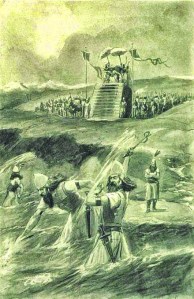
Xerxes_I_relief
Xerxes I

This is part 1 of 3. Part 2 is here. Part 3 is here.

Ὦ βασιλεῦ, μὴ λεχθεισέων μὲν γνωμέων ἀντιέων ἀλλήλῃσι οὐκ ἔστι τὴν ἀμείνω αἱρεόμενον ἑλέσθαι, ἀλλὰ δεῖ τῇ εἰρημένῃ χρᾶσθαι, λεχθεισέων δὲ ἔστι, ὥσπερ τὸν χρυσὸν τὸν ἀκήρατον αὐτὸν μὲν ἐπ᾽ ἑωυτοῦ οὐ διαγινώσκομεν, ἐπεὰν δὲ παρατρίψωμεν ἄλλῳ χρυσῷ, διαγινώσκομεν τὸν ἀμείνω. ἐγὼ δὲ καὶ πατρὶ τῷ σῷ, ἀδελφεῷ δὲ ἐμῷ Δαρείῳ ἠγόρευον μὴ στρατεύεσθαι ἐπὶ Σκύθας, ἄνδρας οὐδαμόθι γῆς ἄστυ νέμοντας· ὁ δέ ἐλπίζων Σκύθας τοὺς νομάδας καταστρέψεσθαι, ἐμοί τε οὐκ ἐπείθετο, στρατευσάμενός τε πολλοὺς καὶ ἀγαθοὺς τῆς στρατιῆς ἀποβαλὼν ἀπῆλθε. σὺ δέ, ὦ βασιλεῦ, μέλλεις ἐπ’ ἄνδρας στρατεύεσθαι πολλὸν ἔτι ἀμείνονας ἢ Σκύθας, οἳ κατὰ θάλασσάν τε ἄριστοι καὶ κατὰ γῆν λέγονται εἶναι. τὸ δὲ αὐτοῖσι ἔνεστι δεινόν, ἐμέ σοι δίκαιόν ἐστι φράζειν. ζεύξας φὴς τὸν Ἑλλήσποντον ἐλᾶν στρατὸν διὰ τῆς Εὐρώπης ἐς τὴν Ἑλλάδα. καὶ δὴ καὶ συνήνεικε ἤτοι κατὰ γῆν ἢ καὶ κατὰ θάλασσαν ἑσσωθῆναι, ἢ καὶ κατ’ ἀμφότερα· οἱ γὰρ ἄνδρες λέγονται εἶναι ἄλκιμοι, πάρεστι δὲ καὶ σταθμώσασθαι, εἰ στρατιήν γε τοσαύτην σὺν Δάτι καὶ Ἀρταφρένεϊ ἐλθοῦσαν ἐς τὴν Ἀττικὴν χώρην μοῦνοι Ἀθηναῖοι διέφθειραν. οὐκ ὦν ἀμφοτέρῃ σφι ἐχώρησε· ἀλλ’ ἢν τῇσι νηυσὶ ἐμβάλωσι καὶ νικήσαντες ναυμαχίῃ πλέωσι ἐς τὸν Ἑλλήσποντον καὶ ἔπειτα λύσωσι τὴν γέφυραν, τοῦτο δή, βασιλεῦ, γίνεται δεινόν.
(Herodotus, Hist. 7.10α-β)

‘My lord,’ he* said, ‘unless opposing views are heard, it is impossible to pick and choose between various plans and decide which one is best. All one can do is go along with the opinion that has been voiced. However, if opposing views are heard, it is possible to decide. Think of a piece of pure gold: taken all by itself it is impossible to tell that it is pure; only by rubbing it on the touchstone and comparing gold with gold can we tell which one is best. I told your father, my brother Darius, not to attack the Scythians, people with no established settlement anywhere, but he didn’t listen to me; he was sure he could defeat the nomad Scythians. So he launched a campaign against them and when he came back he had lost a great many brave fighting men from his army. But this campaign you’re planning, my lord, is against men who are vastly superior to the Scythians; they have the highest reputation for bravery on both land and sea. There is danger involved, and it is only right for me to point it out to you. You say that you will bridge the Hellespont and march through Europe to Greece. Now, suppose you suffer defeat in a land or naval engagement, or even in both. After all, these Greeks do have a reputation as fighters. In fact, we can assess their abilities from the fact that the Athenians alone destroyed an army of the size of the one that invaded Attica under Datis and Artaphrenes. Anyway, suppose things don’t go their way in both spheres, but that they engage us at sea, defeat us, and then sail to the Hellespont and dismantle the bridge. That is where the danger lies, my lord.

* Artabanus, Xerxes’ uncle.

(tr. Robin Waterfield)

Exaleiphei

colos

Κρινεῖ τίς αὑτὸν πώποτ’ ἀνθρώπων μέγαν,
ὃν ἐξαλείφει πρόφασις ἡ τυχοῦσ’ ὅλον;
[Euripides, fr. 1041]

Who among men will ever judge himself great, when a chance cause can wipe him away completely? (tr. Christopher Collard & Martin Cropp)

Relegandum

Napoleon_sainthelene

Trichonem equitem Romanum memoria nostra, quia filium suum flagellis occiderat, populus graphiis in foro confodit; vix illum Augusti Caesaris auctoritas infestis tam patrum quam filiorum manibus eripuit. Tarium, qui filium deprensum in parricidii consilio damnavit causa cognita, nemo non suspexit, quod contentus exsilio et exsilio delicato Massiliae parricidam continuit et annua illi praestitit, quanta praestare integro solebat; haec liberalitas effecit, ut, in qua civitate numquam deest patronus peioribus, nemo dubitaret, quin reus merito damnatus esset, quem is pater damnare potuisset, qui odisse non poterat. hoc ipso exemplo dabo, quem compares bono patri, bonum principem. cogniturus de filio Tarius advocavit in consilium Caesarem Augustum; venit in privatos penates, adsedit, pars alieni consilii fuit, non dixit; “Immo in meam domum veniat”; quod si factum esset, Caesaris futura erat cognitio, non patris. audita causa excussisque omnibus, et his, quae adulescens pro se dixerat, et his, quibus arguebatur, petit, ut sententiam suam quisque scriberet, ne ea omnium fieret, quae Caesaris fuisset; deinde, priusquam aperirentur codicilli, iuravit se Tarii, hominis locupletis, hereditatem non aditurum. dicet aliquis: “pusillo animo timuit, ne videretur locum spei suae aperire velle filii damnatione.” Ego contra sentio; quilibet nostrum debuisset adversus opiniones malignas satis fiduciae habere in bona conscientia, principes multa debent etiam famae dare. Iuravit se non aditurum hereditatem. Tarius quidem eodem die et alterum heredem perdidit, sed Caesar libertatem sententiae suae redemit; et postquam approbavit gratuitam esse severitatem suam, quod principi semper curandum est, dixit relegandum, quo patri videretur. non culleum, non serpentes, non carcerem decrevit memor, non de quo censeret, sed cui in consilio esset; mollissimo genere poenae contentum esse debere patrem dixit in filio adulescentulo impulso in id scelus, in quo se, quod proximum erat ab innocentia, timide gessisset; debere illum ab urbe et a parentis oculis submoveri.
(Seneca Minor, De Clementia 1.15)

I recall the case of Tricho, a Roman knight, whom the people attacked with styluses in the forum because he had flogged his son to death: the authority of Augustus Caesar barely rescued him from the outrage of fathers and sons alike. When Tarius discovered that his son was planning to kill him and condemned him in a trial held in his own household, everyone looked up to him because he was content to sentence the young man to exile—and a pampered exile at that, in Massilia, where he provided him with the same annual allowance he used to give him before his disgrace. Because of this generous gesture, everyone in Rome—where even scoundrels never lack an advocate—believed that the young man had been justly condemned, seeing that a father incapable of hating him had been able to condemn him. This very same episode also provides a model of the good prince for you to compare with the good father. When Tarius was going to conduct the trial he asked Caesar Augustus to sit on his advisory council; and so Augustus came to a private home and sat at Tarius’s side as a counselor—he did not say, “No, no, let him come to my home,” for in that case the trial would have been Caesar’s, not the father’s. When the case had been heard and the evidence thoroughly examined—both the points that the young man made on his own behalf and those that tended to convict him—Augustus asked that each man write down his own judgment, lest everyone make Caesar’s verdict his own. Then, before the tablets were opened, he took an oath that he had no intention of accepting an inheritance from Tarius, who was a wealthy man. Someone will say, “That was a petty concern, not wanting to seem to make room for himself by voting to condemn the son.” Quite the opposite, I think: any of us ordinary folk should have had sufficient confidence in his own clear conscience to withstand malicious talk, but princes must make many concessions even to gossip. He swore that he would not accept an inheritance. And indeed on the same day Tarius lost two heirs, but Caesar secured his own freedom of judgment; and after he proved that his own strictness was not self-interested—a prince’s constant concern—he said that the son should be banished, the location to be left to the father’s discretion. Mindful not of the charge he was judging but of the man he was advising, he decreed neither the sack nor snakes nor a prison cell but made plain that a father should be content with the mildest punishment in the case of a young son driven to a crime in which he had shown himself, by his timid conduct, only one step removed from innocence: he should be removed from the city and from his father’s sight. (tr. Robert A. Kaster)

Exousian

Strict-parenting

Ἃ μὲν οὖν εἰς γυναῖκας εὖ ἔχοντα ὁ Ῥωμύλος ἐνομοθέτησεν, ἐξ ὧν κοσμιωτέρας περὶ τοὺς ἄνδρας αὐτὰς ἀπειργάσατο, ταῦτ’ ἐστιν, ἃ δ’ εἰς αἰδῶ καὶ δικαιοσύνην παίδων, ἵνα σέβωσι τοὺς πατέρας ἅπαντα πράττοντές τε καὶ λέγοντες ὅσα ἂν ἐκεῖνοι κελεύωσιν, ἔτι τούτων ἦν σεμνότερα καὶ μεγαλοπρεπέστερα καὶ πολλὴν ἔχοντα παρὰ τοὺς ἡμετέρους νόμους διαφοράν. οἱ μὲν γὰρ τὰς Ἑλληνικὰς καταστησάμενοι πολιτείας βραχύν τινα κομιδῇ χρόνον ἔταξαν ἄρχεσθαι τοὺς παῖδας ὑπὸ τῶν πατέρων, οἱ μὲν ἕως τρίτον ἐκπληρώσωσιν ἀφ’ ἥβης ἔτος, οἱ δὲ ὅσον ἂν χρόνον ἠίθεοι μένωσιν, οἱ δὲ μέχρι τῆς εἰς τὰ ἀρχεῖα τὰ δημόσια ἐγγραφῆς, ὡς ἐκ τῆς Σόλωνος καὶ Πιττακοῦ καὶ Χαρώνδου νομοθεσίας ἔμαθον, οἷς πολλὴ μαρτυρεῖται σοφία· τιμωρίας τε κατὰ τῶν παίδων ἔταξαν, ἐὰν ἀπειθῶσι τοῖς πατράσιν, οὐ βαρείας ἐξελάσαι τῆς οἰκίας ἐπιτρέψαντες αὐτοὺς καὶ χρήματα μὴ καταλιπεῖν, περαιτέρω δὲ οὐδέν. εἰσὶ δ’ οὐχ ἱκαναὶ κατασχεῖν ἄνοιαν νεότητος καὶ αὐθάδειαν τρόπων οὐδ’ εἰς τὸ σῶφρον ἀγαγεῖν τοὺς ἠμεληκότας τῶν καλῶν αἱ μαλακαὶ τιμωρίαι· τοιγάρτοι πολλὰ ἐν Ἕλλησιν ὑπὸ τέκνων εἰς πατέρας ἀσχημονεῖται. ὁ δὲ τῶν Ῥωμαίων νομοθέτης ἅπασαν ὡς εἰπεῖν ἔδωκεν ἐξουσίαν πατρὶ καθ’ υἱοῦ καὶ παρὰ πάντα τὸν τοῦ βίου χρόνον, ἐάν τε εἴργειν, ἐάν τε μαστιγοῦν, ἐάν τε δέσμιον ἐπὶ τῶν κατ’ ἀγρὸν ἔργων κατέχειν, ἐάν τε ἀποκτιννύναι προαιρῆται, κἂν τὰ πολιτικὰ πράττων ὁ παῖς ἤδη τυγχάνῃ κἂν ἐν ἀρχαῖς ταῖς μεγίσταις ἐξεταζόμενος κἂν διὰ τὴν εἰς τὰ κοινὰ φιλοτιμίαν ἐπαινούμενος.
(Dionysius of Halicarnassus, Rhōmaikē Archaiologia 2.26.1-4)

These, then, are the excellent laws which Romulus enacted concerning women, by which he rendered them more observant of propriety in relation to their husbands. But those he established with respect to reverence and dutifulness of children toward their parents, to the end that they should honour and obey them in all things, both in their words and actions, were still more august and of greater dignity and vastly superior to our laws. For those who established the Greek constitutions set a very short time for sons to be under the rule of their fathers, some till the expiration of the third year after they reached manhood, others as long as they continued unmarried, and some till their names were entered in the public registers, as I have learned from the laws of Solon, Pittacus and Charondas, men celebrated for their great wisdom. The punishments, also, which they ordered for disobedience in children toward their parents were not grievous: for they permitted fathers to turn their sons out of doors and to disinherit them, but nothing further. But mild punishments are not sufficient to restrain the folly of youth and its stubborn ways or to give self-control to those who have been heedless of all that is honourable; and accordingly among the Greeks many unseemly deeds are committed by children against their parents. But the lawgiver of the Romans gave virtually full power to the father over his son, even during his whole life, whether he thought proper to imprison him, to scourge him, to put him in chains and keep him at work in the fields, or to put him to death, and this even though the son were already engaged in public affairs, though he were numbered among the highest magistrates, and though he were celebrated for his zeal for the commonwealth. (tr. Earnest Cary)

Glukumalon

red-apple-with-rain-drops-on-the-tree-apple-tree-wet-from-the-rain-rain-in-the-apple-orchard-red-apple-juicy-greens-fruit-tree-juicy-red-apple-on-the-tree-branch_rego_zeep_thumbnail-full

Οἶον τὸ γλυκύμαλον ἐρεύθεται ἄκρῳ ἐπ’ ὔσδῳ,
ἄκρον ἐπ’ ἀκροτάτῳ, λελάθοντο δὲ μαλοδρόπηες·
οὐ μὰν ἐκλελάθοντ’, ἀλλ’ οὐκ ἐδύναντ’ ἐπίκεσθαι
(Sappho, fr. 105a)

As the sweet-apple reddens on the bough-top, on the top of the topmost bough; the apple-gatherers have forgotten it—no they have not forgotten it entirely, but they could not reach it. (tr. David Campbell)

Severitate

Jean-Simon Berthélemy, Manlius Torquatus condamnant son fils à mort, 1785
Jean-Simon Berthélemy, Manlius Torquatus condamnant son fils à mort (1785)

T. autem Manlius Torquatus, propter egregia multa rarae dignitatis, iuris quoque civilis et sacrorum pontificalium peritissimus, in consimili facto ne consilio quidem necessariorum indigere se credidit: nam cum ad senatum Macedonia de filio eius D. Silano, qui eam provinciam obtinuerat, querellas per legatos detulisset, a patribus conscriptis petiit ne quid ante de ea re statuerent quam ipse Macedonum filiique sui causam inspexisset. summo deinde cum amplissimi ordinis tum etiam eorum, qui questum venerant, consensu cognitione suscepta domi consedit solusque utrique parti per totum biduum vacavit, ac tertio plenissime diligentissimeque auditis testibus ita pronuntiavit: ‘cum Silanum filium meum pecunias a sociis accepisse probatum mihi sit, et re publica eum et domo mea indignum iudico protinusque e conspectu meo abire iubeo’. tam tristi patris sententia perculsus Silanus lucem ulterius intueri non sustinuit suspendioque se proxima nocte consumpsit. peregerat iam Torquatus severi et religiosi iudicis partis, satis factum erat rei publicae, habebat ultionem Macedonia, potuit tam verecundo fili obitu patris inflecti rigor: at ille neque exsequiis adulescentis interfuit et, cum maxime funus eius duceretur, consulere se volentibus vacuas aures accommodavit: videbat enim se in eo atrio consedisse, in quo imperiosi illius Torquati severitate conspicua imago posita erat, prudentissimoque viro succurrebat effigies maiorum cum titulis suis idcirco in prima parte aedium poni solere, ut eorum virtutes posteri non solum legerent, sed etiam imitarentur.
(Valerius Maximus, Facta et Dicta Memorabilia 5.8.3)

In a similar action, T. Manlius Torquatus, a man of rare prestige founded on many outstanding merits, also a great expert on civil law and pontifical rituals, did not think he needed even a council of relatives and friends. When Macedonia presented to the senate through envoys complaints against his son D. Silanus, who had been governor of the province, he requested the Conscript Fathers not to come to any decision on the matter until he himself had examined the case of the Macedonians and his son. Then he started his enquiry with the full approval both of the most honourable order and of those who had come to complain. Sitting in his house and alone, he listened to both sides through two entire days and on the third, after the most ample and thorough hearing of witnesses, he pronounced as follows: “It having been proved to my satisfaction that my son Silanus took bribes from our allies, I judge him unworthy of the commonwealth and of my house and order him to leave my sight immediately.” Smitten by his father’s terrible sentence, Silanus could not bear to look any longer on the light and hanged himself the following night. Torquatus had now fulfilled the role of a stern and scrupulous judge, the public interest had been satisfied, Macedonia had its revenge; the father’s rigour might have been softened by his son’s remorseful end. But he did not take part in the young man’s obsequies and at the very time of the funeral he gave his attention to persons wishing to consult him. For he saw that within the hall where he sat was placed the mask of Torquatus the Imperious, conspicuous in its severity, and as a very wise man he bethought himself that the effigies of a man’s ancestors with their labels are placed in the first part of the house in order that their descendants should not only read of their virtues but imitate them. (tr. David Roy Shackleton-Bailey)

Kairos

260px-Armisticetrain

Τοῖς πᾶσι χρόνος καὶ καιρὸς τῷ παντὶ πράγματι ὑπὸ τὸν οὐρανόν. καιρὸς τοῦ τεκεῖν καὶ καιρὸς τοῦ ἀποθανεῖν, καιρὸς τοῦ φυτεῦσαι καὶ καιρὸς τοῦ ἐκτῖλαι τὸ πεφυτευμένον,
καιρὸς τοῦ ἀποκτεῖναι καὶ καιρὸς τοῦ ἰάσασθαι, καιρὸς τοῦ καθελεῖν καὶ καιρὸς τοῦ οἰκοδομεῖν, καιρὸς τοῦ κλαῦσαι καὶ καιρὸς τοῦ γελάσαι, καιρὸς τοῦ κόψασθαι καὶ καιρὸς τοῦ ὀρχήσασθαι, καιρὸς τοῦ βαλεῖν λίθους καὶ καιρὸς τοῦ συναγαγεῖν λίθους, καιρὸς τοῦ περιλαβεῖν καὶ καιρὸς τοῦ μακρυνθῆναι ἀπὸ περιλήψεως, καιρὸς τοῦ ζητῆσαι καὶ καιρὸς τοῦ ἀπολέσαι, καιρὸς τοῦ φυλάξαι καὶ καιρὸς τοῦ ἐκβαλεῖν, καιρὸς τοῦ ῥῆξαι καὶ καιρὸς τοῦ ῥάψαι, καιρὸς τοῦ σιγᾶν καὶ καιρὸς τοῦ λαλεῖν, καιρὸς τοῦ φιλῆσαι καὶ καιρὸς τοῦ μισῆσαι, καιρὸς πολέμου καὶ καιρὸς εἰρήνης.
(Ecclesiastes 3.1-8)

To every thing there is a season, and a time to every purpose under the heaven: a time to be born, a time to die; a time to plant, and a time to pluck up that which is planted; a time to kill, and a time to heal; a time to break down, and a time to build up; a time to weep, and a time to laugh; a time to mourn, and a time to dance; a time to cast away stones, and a time to gather stones together; a time to embrace, and a time to refrain from embracing; a time to get, and a time to lose; a time to keep, and a time to cast away; a time to rend, and a time to sew; a time to keep silence, and a time to speak; a time to love, and a time to hate; a time of war, and a time of peace. (tr. King James Version)